
Xiaomi's Redmi K Pad 2 Emerges with Performance and Audio Focus, Challenging iPad Mini
NewsHub
Apr 15, 2026
1 min read
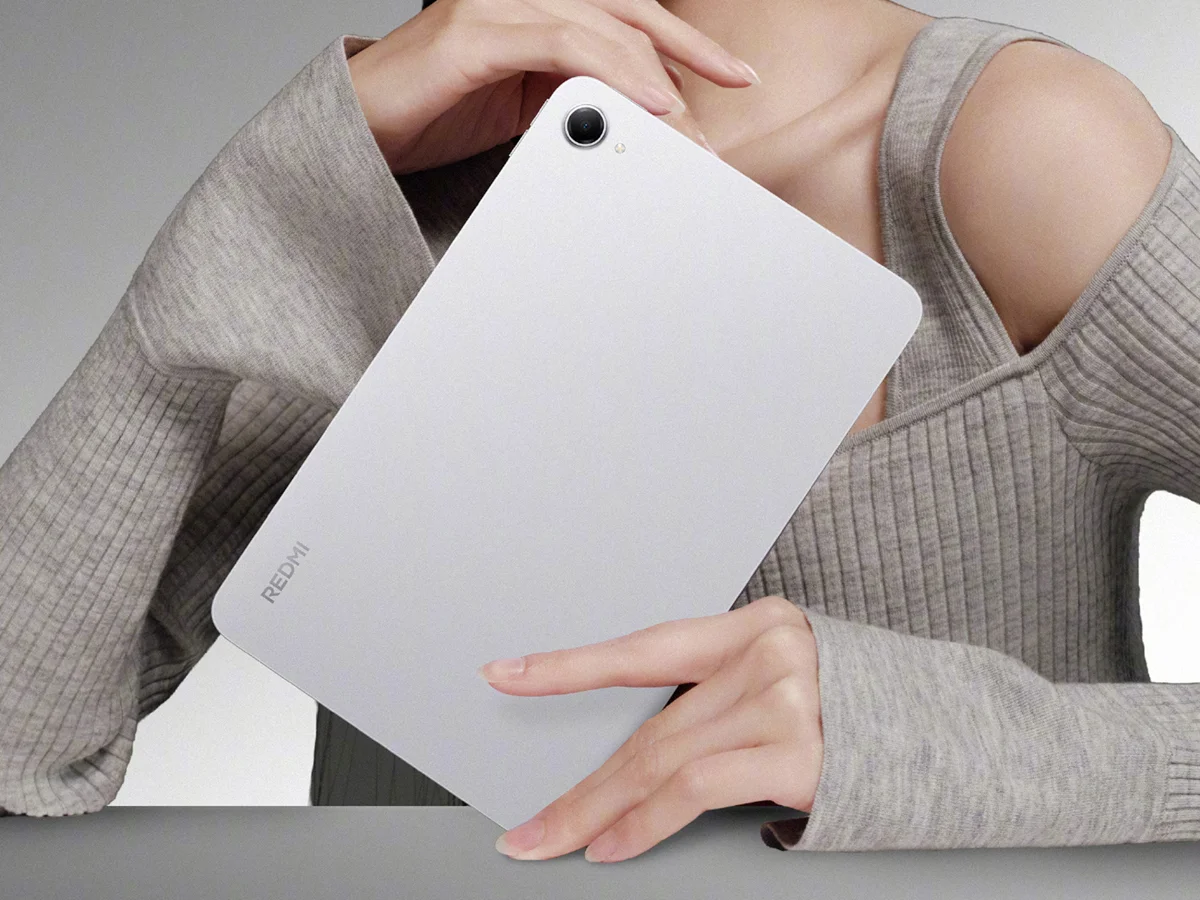
Xiaomi's sub-brand Redmi is preparing to launch the Redmi K Pad 2, a compact tablet designed to compete directly with Apple's iPad mini. Recent teasers from the company highlight a strong emphasis on gaming-centric features and an advanced audio system, signaling a device tailored for high-performance multimedia consumption. Positioned as a powerful yet portable option, the upcoming tablet aims to attract users prioritizing gaming and immersive sound within a smaller form factor. Its anticipated release is expected to intensify competition in the compact tablet segment.
Key Facts
-
Product Name Redmi K Pad 2
-
Manufacturer Xiaomi (Redmi sub-brand)
-
Category Compact Tablet
-
Primary Focus (Teased) Performance (gaming-centric), Advanced Sound Setup
-
Market Position Direct competitor to Apple iPad mini
-
Current Status Upcoming, details revealed via company teasers
Impact
The introduction of the Redmi K Pad 2 is set to significantly impact the compact tablet market. For consumers, it presents a compelling alternative to established options like the iPad mini, potentially offering high-performance features at a more accessible price point. This could democratize access to premium mobile gaming and multimedia experiences in a portable form factor, especially for users within Xiaomi's existing ecosystem or those seeking an Android-based solution. From a competitive standpoint, this move intensifies pressure on rivals, particularly Apple, to innovate or adjust strategies in the compact tablet space. Other Android tablet manufacturers may also feel compelled to enhance their offerings or consider developing similar performance-focused compact devices. For Xiaomi, the Redmi K Pad 2 strengthens its tablet portfolio, demonstrating a commitment to diverse market segments and reinforcing the Redmi brand's reputation for delivering strong performance and value.
Key Insights
-
1
Market Strategy
Xiaomi is strategically targeting a niche within the tablet market: users who desire a compact, portable device but demand high performance for gaming and media, often at a more competitive price than premium alternatives.
-
2
Competitive Positioning
By explicitly positioning the Redmi K Pad 2 against the iPad mini, Xiaomi aims to directly challenge Apple's dominance in the premium compact tablet segment, leveraging its strength in offering advanced specifications at accessible price points.
-
3
User Focus
The emphasis on 'gaming-focused features' and 'advanced sound setup' indicates a clear understanding of a specific user base that values immersive entertainment experiences from their portable devices.
-
4
Brand Reinforcement
This launch reinforces Redmi's brand identity as a purveyor of high-performance, value-driven technology, extending its success from smartphones into the tablet category.
Opportunities
The upcoming Redmi K Pad 2 opens several opportunities across the technology and business landscape. For Xiaomi, it's a chance to expand its market share in the premium compact tablet segment, potentially attracting users who might otherwise gravitate towards Apple. This also creates cross-selling opportunities for Xiaomi's extensive ecosystem of gaming accessories, audio peripherals, and smart home devices, enhancing customer loyalty and ecosystem stickiness. Beyond Xiaomi, there's an opportunity for Android game developers to further optimize titles for high-performance compact tablets, driven by the potential for a growing user base in this category. Retailers can capitalize on new product launches, leveraging the device's unique selling points to create bundled offers with gaming subscriptions or accessories, thereby boosting sales in a typically slower tablet market segment.
Risks & Challenges
Despite its promising specifications, the Redmi K Pad 2 faces several inherent risks. A primary concern is market adoption; while the compact tablet segment exists, it is smaller and more saturated than the larger tablet or smartphone markets. Convincing consumers to choose a new Android compact tablet over the deeply entrenched Apple iPad mini, which benefits from strong brand loyalty and a robust ecosystem, will be a significant challenge. Furthermore, high expectations set by teasers regarding 'gaming-focused' performance and 'advanced sound' can be a double-edged sword. If the real-world performance, battery life under heavy load, or software optimization falls short of these expectations, it could lead to user disappointment and negative reviews, impacting initial sales and long-term brand perception. The competitive landscape also means that other Android manufacturers might quickly release their own powerful compact tablets, potentially diluting Redmi's initial advantage.
Background
Xiaomi has steadily expanded its presence in the tablet market, offering a diverse range of devices from budget-friendly options to more premium models under both its main brand and the Redmi sub-brand. Redmi, in particular, has carved out a reputation for delivering strong performance and compelling features at highly competitive price points, initially in smartphones and now extending its strategy to other device categories. Historically, the compact tablet market has seen periods of ebb and flow, with Apple's iPad mini consistently holding a dominant position. While various Android manufacturers have attempted to compete, few have managed to sustain significant traction, often struggling with software optimization, hardware differentiation, or ecosystem support. Xiaomi's entry with the Redmi K Pad 2 represents a renewed push into this niche, aiming to leverage its strengths in hardware innovation and aggressive pricing.
Related Articles