Microsoft Surface Laptop Prices Increase by at Least $100 for 2026 Models Amid Rising RAM Costs
NewsHub
Apr 15, 2026
1 min read
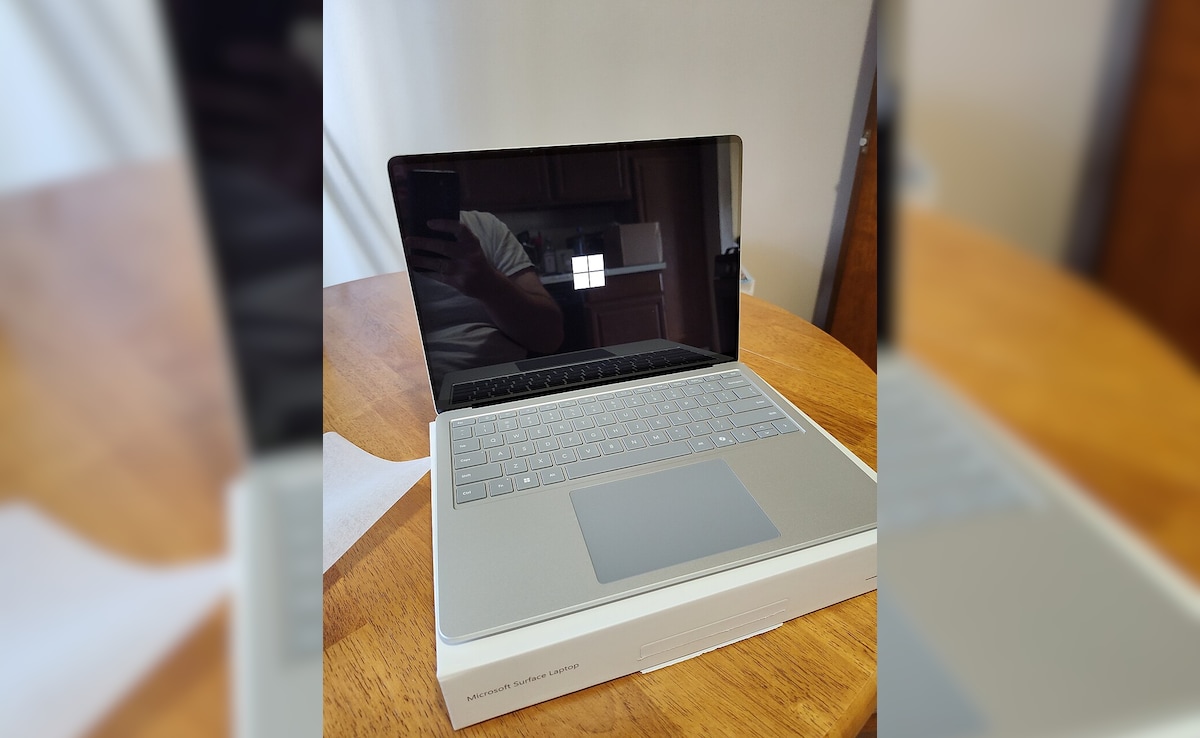
Microsoft has implemented significant price adjustments across its Surface laptop portfolio for the 2026 model year. Consumers purchasing new Surface laptops can now expect to pay a minimum of $100 more per device compared to 2025 pricing. This upward revision is directly attributed to a substantial increase in the cost of RAM, a critical component for modern computing devices. The move by Microsoft reflects broader supply chain pressures and the current volatile market for semiconductor memory, potentially signaling a wider trend across the PC industry.
Key Facts
-
Affected Product Line Microsoft Surface Laptops
-
Price Increase Magnitude Minimum $100 per unit
-
Effective Period 2026 models (compared to 2025)
-
Primary Cause Rising RAM component costs
Impact
The immediate impact of this price hike will be felt by consumers, who face higher acquisition costs for Microsoft's premium laptop offerings. This could lead to a reconsideration of purchases, potentially shifting demand towards competitor brands that may offer more stable pricing or perceived better value, or encouraging a longer upgrade cycle for existing users. Affordability for budget-conscious segments looking at entry-level Surface devices may also be significantly diminished. For Microsoft, while passing on costs can protect profit margins per unit, it introduces a risk of reduced sales volumes and potential market share erosion in a highly competitive PC landscape. The company will need to emphasize the value proposition and unique features of its Surface devices more strongly to justify the increased expense. This move also highlights the continuous challenge OEMs face in managing supply chain fluctuations and component pricing.
Key Insights
-
1
Market Dynamics
This development underscores the continued sensitivity of hardware pricing to fluctuations in key component costs, particularly memory. The global RAM market's volatility remains a significant factor influencing consumer electronics pricing, indicating a tightening supply or increased demand in early 2026.
-
2
Microsoft Strategy
Microsoft's decision to pass on the increased RAM costs to end-users suggests a strategy focused on maintaining profitability per unit rather than absorbing the additional expenses. It could also imply the scale of the RAM cost increase is too substantial for the company to absorb without significantly impacting its hardware division's margins.
-
3
Industry Trend Indicator
The price adjustment by a major OEM like Microsoft could serve as a bellwether for the broader PC industry. Other manufacturers heavily reliant on similar component supply chains may soon follow suit with their own price revisions, creating a widespread upward trend in laptop pricing.
Opportunities
For competing laptop manufacturers, this presents an immediate opportunity to attract customers who might be deterred by the increased Surface pricing. Brands like Dell, HP, Lenovo, and Apple, if they can maintain current price points or offer more aggressive promotions, could gain market share from Microsoft. This could also spur innovation in component sourcing and design to find more cost-effective alternatives or leverage existing inventory effectively. Furthermore, the increased cost of RAM offers an opportunity for memory manufacturers to boost their revenue and profitability. This could incentivize further investment in R&D and manufacturing capacity, potentially stabilizing prices in the long run if supply can catch up with demand. Developers of memory optimization software or alternative, more cost-efficient memory solutions might also see increased interest.
Risks & Challenges
Microsoft faces several risks, primarily concerning potential declines in sales volume and market share for its Surface line. Higher prices can make Surface laptops less competitive against offerings from other brands, especially in mid-range segments, pushing consumers towards alternatives. This could undermine Microsoft's efforts to grow its hardware ecosystem and could lead to a deceleration in the overall adoption of its premium devices. Beyond sales figures, there's a risk of negative consumer perception. Repeated price increases, even when explained by component costs, can lead to a feeling of diminishing value or lack of affordability, potentially eroding brand loyalty and goodwill built over years. This could make it harder for Microsoft to launch future products at premium price points, as consumers might become more skeptical of the Surface brand's overall value proposition.
Related Articles