
Australia Achieves Independent Guided Missile Production Milestone
NewsHub
Apr 13, 2026
1 min read
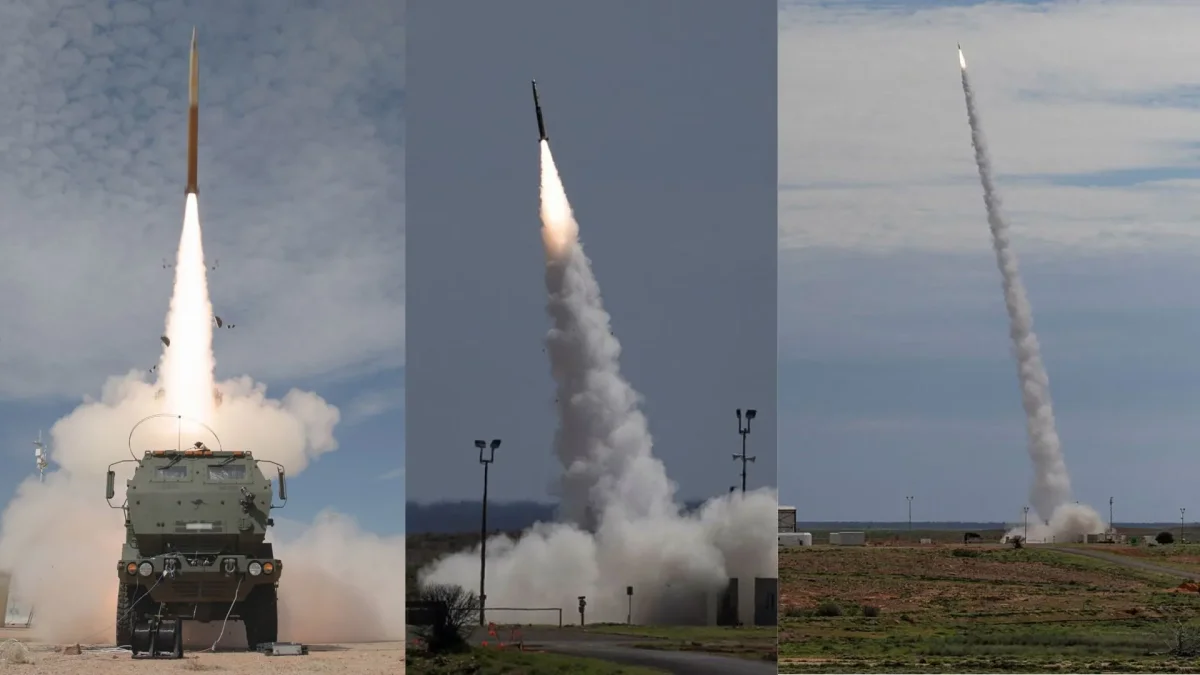
Canberra has successfully initiated domestic production of Guided Multiple Launch Rocket System (GMLRS) munitions, making it the sole nation outside the United States to possess this capability. This development, confirmed following a successful firing demonstration utilizing the HIMARS platform, significantly bolsters Australia's long-range precision strike capacity. The achievement marks a crucial step in enhancing national defense self-sufficiency and interoperability with key allies, particularly the US.
Key Facts
-
Domestic Missile Production Australia is now producing GMLRS missiles.
-
International Exclusivity Only Australia and the US can produce these missiles.
-
Key System Integration Production is linked to the HIMARS rocket artillery system.
-
Capability Enhancement Boosts Australia's long-range strike power.
Impact
The establishment of an independent GMLRS production line represents a significant leap in Australia's defense industrial base. It reduces reliance on foreign supply chains for a critical munition, ensuring more consistent availability and potentially faster replenishment during times of heightened demand. This capability also enhances Australia's strategic autonomy, allowing for greater flexibility in its defense planning and operational deployment. Furthermore, the shared production knowledge and technological advancements foster deeper integration with the defense industry of its primary ally, the United States, solidifying interoperability. Beyond immediate military applications, this achievement signals a broader commitment to developing advanced manufacturing capabilities within Australia. It has the potential to create high-skilled jobs, stimulate innovation in related sectors, and contribute to the nation's economic resilience. The ability to produce sophisticated weaponry domestically can also serve as a deterrent, projecting a stronger national security posture on the regional and global stage.
Key Insights
-
1
Strategic Self-Sufficiency
Australia's move prioritizes defense independence.
-
2
Technological Advancement
Marks a high-tech manufacturing achievement for the nation.
-
3
Alliance Strengthening
Deepens defense ties with the United States.
Opportunities
This advancement opens avenues for Australian defense manufacturers to potentially collaborate with international partners on future munition development and production. It could also lead to export opportunities for GMLRS or related technologies to allied nations requiring advanced rocket artillery capabilities. Furthermore, the expertise gained in precision guided munitions production can be leveraged for the development of other advanced defense systems, fostering a more robust and innovative domestic defense industry. The successful domestic production of GMLRS also creates opportunities for technological spin-offs into civilian sectors. Advances in guidance systems, propellant technology, and advanced manufacturing techniques could find applications in areas such as aerospace, advanced materials, and precision engineering, contributing to broader economic growth and diversification.
Risks & Challenges
The primary risk associated with any independent arms production is the significant financial investment and ongoing operational costs required to maintain such a sophisticated capability. Ensuring sustained funding and managing the complexities of production, quality control, and technological updates will be crucial to avoid obsolescence. There's also the potential for international scrutiny and diplomatic considerations, particularly if the capability is perceived as altering the regional military balance. Managing intellectual property rights and ensuring compliance with international arms control regulations will also be paramount. Furthermore, the reliance on a specialized industrial base carries inherent vulnerabilities. Disruptions to the supply of raw materials or key components, whether due to geopolitical events or unforeseen logistical challenges, could impact production continuity. The long-term sustainability of this capability will depend on a consistent demand and a strategic vision that integrates it effectively into Australia's broader defense posture and industrial policy.
Source url: https://interestingengineering.com/military/australia-fires-domestically-made-gmlrs
Related Articles