
Linux Kernel Embraces AI-Generated Code Submissions with Guidelines
NewsHub
Apr 12, 2026
1 min read
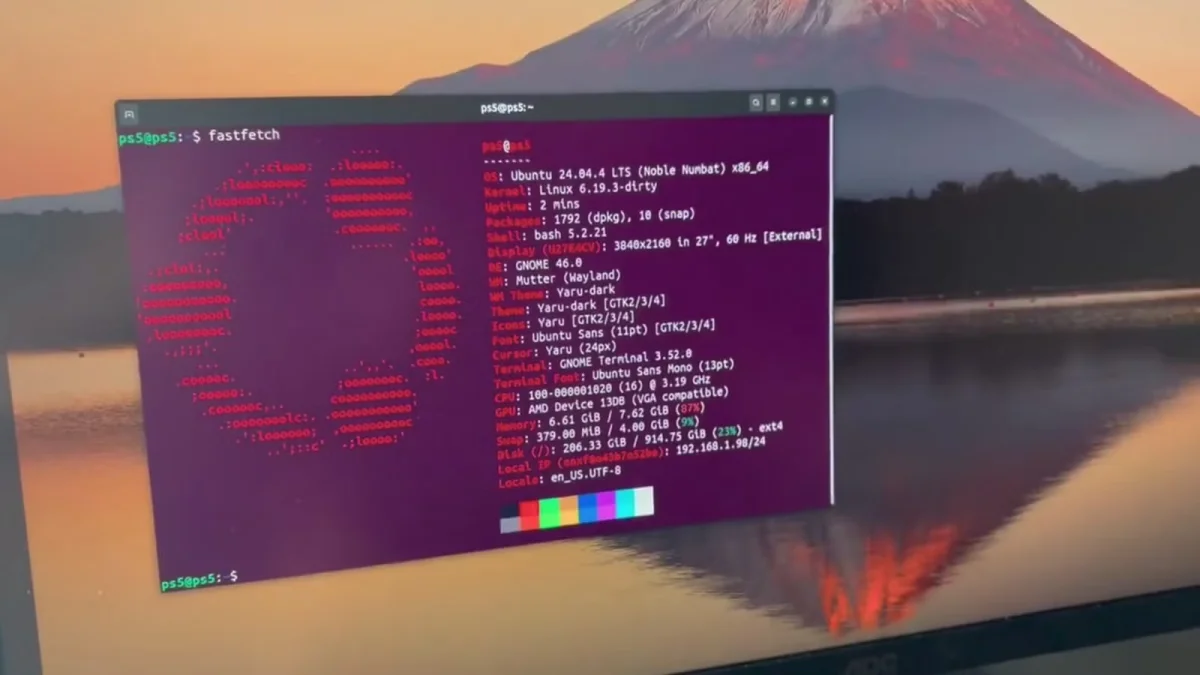
The Linux Kernel Organization has introduced a new policy allowing developers to submit code generated by artificial intelligence, provided it meets specific guidelines, licensing, and attribution requirements. This move is expected to streamline development and increase efficiency. Developers must ensure their submissions comply with existing regulations and acknowledge the use of AI-generated code.
Key Facts
-
Organization Linux Kernel Organization
-
Code Submission Policy Allows AI-generated code
-
Compliance Requirements Guidelines, licensing, and attribution
Impact
The introduction of AI-generated code submissions is likely to have a significant impact on the development process. It could lead to faster bug fixes and feature implementations, as AI can quickly generate and test code. However, it also raises concerns about the potential for errors or security vulnerabilities in AI-generated code. Moreover, the policy change may require developers to adapt to new workflows and quality control measures.The policy shift is expected to influence the broader open-source community, as other organizations may consider adopting similar approaches. This could lead to increased collaboration and innovation, as well as new challenges in ensuring the reliability and security of AI-generated code.The impact on the Linux Kernel Organization's development process will depend on how effectively the new policy is implemented and managed. The organization will need to establish clear guidelines and review processes to ensure that AI-generated code meets the required standards and does not compromise the integrity of the kernel.
Key Insights
-
1
Development Efficiency
Expected to increase with AI-generated code
-
2
Code Quality
May be improved with AI-generated code, but also poses risks
-
3
Community Impact
May lead to increased collaboration and innovation
Opportunities
The new policy presents opportunities for developers to leverage AI-generated code and accelerate the development process. This could lead to the creation of new tools and features, as well as improved maintenance and support for existing code. Additionally, the policy change may attract new talent to the Linux Kernel Organization, as developers interested in AI and machine learning may be drawn to the project.The use of AI-generated code also presents opportunities for the broader tech industry. As the Linux Kernel Organization navigates the challenges and benefits of AI-generated code, it may establish best practices and guidelines that can be applied to other open-source projects and commercial software development.
Risks & Challenges
The introduction of AI-generated code submissions also poses risks, including the potential for errors or security vulnerabilities in the code. If not properly reviewed and tested, AI-generated code could compromise the integrity of the Linux kernel and put users at risk. Additionally, the policy change may lead to concerns about the role of human developers in the development process and the potential for job displacement.The Linux Kernel Organization will need to carefully manage the risks associated with AI-generated code and establish effective review and testing processes to ensure the quality and security of the code. This may require significant investment in new tools and infrastructure, as well as training and support for developers.
Source url: http://www.techmeme.com/260412/p2#a260412p2
Related Articles