Vice President Vance Endorses GOP Candidate Nunn in Key Iowa Midterm Race
NewsHub
May 06, 2026
1 min read
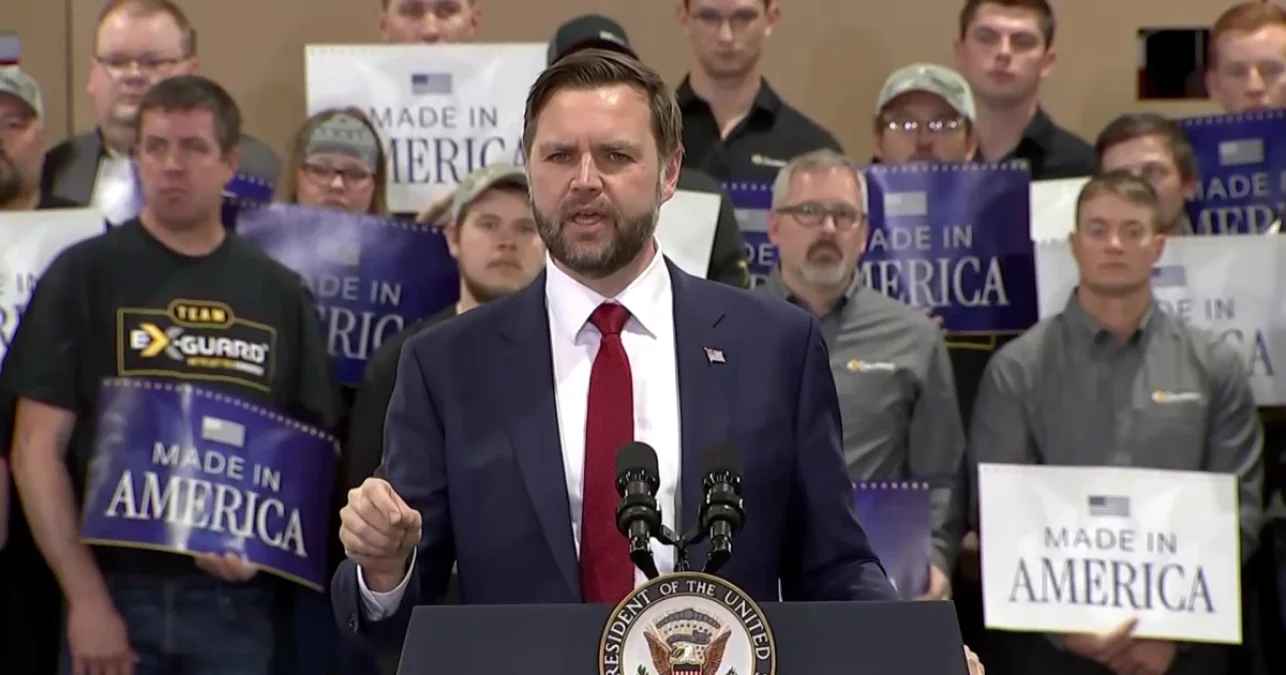
Vice President J.D. Vance recently traveled to Iowa for his initial visit to the state, lending his support to Republican Representative Zach Nunn ahead of the upcoming midterm elections. During his remarks, Vance emphasized the stark policy differences between Congressman Nunn and his Democratic rival, characterizing the current electoral contest as exceptionally significant. This high-profile intervention aims to bolster Nunn's campaign and underscore the national Republican party's investment in the Iowa race, highlighting what Vance described as a critical choice for voters given the distinct political platforms involved.
Key Facts
-
Official Endorsing Vice President J.D. Vance
-
Candidate Endorsed Representative Zach Nunn (GOP)
-
Location of Event Iowa
-
Election Context Midterm Elections
-
Vance's Core Message Described the election as 'not a normal election,' highlighting significant differences between candidates.
Impact
Vice President Vance's visit immediately elevates the profile of Representative Zach Nunn's campaign in Iowa, signaling the national Republican Party's commitment and investment in this particular midterm race. Such a high-level endorsement can energize the local GOP base, potentially increasing volunteer engagement and voter turnout by portraying the election as a crucial battle with national implications. It also draws national media attention to what might otherwise be a locally focused contest, bringing more resources and scrutiny to the district. By declaring, 'This is not a normal election,' Vance attempts to frame the choice facing Iowa voters as a pivotal one, emphasizing fundamental ideological or policy divides rather than routine political differences. This rhetoric aims to heighten stakes and motivate voters who perceive the election as having profound consequences for the state and the nation. The impact could be a further polarization of the electorate, compelling voters to align more strongly with one camp or the other.
Key Insights
-
1
Political Strategy
The Vice President's visit serves as a powerful endorsement strategy, designed to consolidate support for Rep. Nunn, attract undecided voters, and inject momentum into the campaign. It underscores the importance the national party places on securing or retaining congressional seats in competitive states like Iowa during midterm cycles.
-
2
Rhetorical Framing
Vance's characterization of the election as 'not normal' is a classic rhetorical device intended to amplify the perceived significance of the contest. It attempts to elevate the election beyond standard political sparring, suggesting that the outcomes will have profound and lasting effects, thereby urging voters to cast their ballots with a heightened sense of urgency and purpose.
-
3
Midterm Significance
This event highlights the critical nature of midterm elections, which often serve as a referendum on the sitting presidential administration. The administration's deployment of its second-highest official indicates a strategic effort to influence congressional composition and ensure a legislative environment conducive to its agenda for the remainder of its term.
Opportunities
While this news is primarily political, the increased spotlight on Iowa's midterm race presents indirect opportunities. Political consulting firms, digital strategists, and advertising agencies will likely see increased demand for their services as both campaigns intensify their efforts following such a high-profile visit. Local media outlets might experience an uptick in viewership and advertising revenue due to heightened public interest and campaign ad spending. Furthermore, businesses operating in sectors aligned with the preferred policies of the supported candidate (e.g., agriculture or renewable energy, depending on Nunn's platform) could identify potential future legislative opportunities or challenges. Data analytics companies also stand to benefit from the need for sophisticated voter targeting and sentiment analysis as campaigns become more data-driven.
Risks & Challenges
Relying heavily on national figures for local endorsements carries inherent risks. While a Vice Presidential visit can energize the base, it might also alienate independent voters who prefer local issues and candidates over national political narratives. If Representative Nunn fails to win despite such prominent support, it could reflect negatively on the Vice President's influence and the efficacy of the national party's strategy, potentially dampening morale in future campaigns. The rhetoric of an 'abnormal election,' while intended to motivate, also risks further entrenching political divisions and contributing to an environment of hyper-partisanship. This can make post-election governance and bipartisan cooperation more challenging, regardless of the outcome. Such heightened political tension can also lead to voter fatigue or cynicism if every election is presented as an existential crisis.
Background
Midterm elections in the United States are pivotal contests that determine the balance of power in Congress, often serving as a key indicator of public sentiment towards the sitting presidential administration. Iowa, known for its political swings and competitive districts, frequently sees significant investment from both major parties aiming to secure control of the House of Representatives or Senate. The state's electoral outcomes can have broader national implications. Representative Zach Nunn would be either an incumbent facing re-election or a prominent challenger in a highly contested district, making his race a target for national party resources. Vice President J.D. Vance, as a leading figure within the administration, is employing his political capital to support candidates who align with the administration's policy objectives and strengthen the party's position in Congress, a standard practice for a sitting Vice President.
Related Articles