Hyundai Issues Mass Recall Due to Sudden Braking Issue in Recent Models
NewsHub
May 26, 2026
1 min read
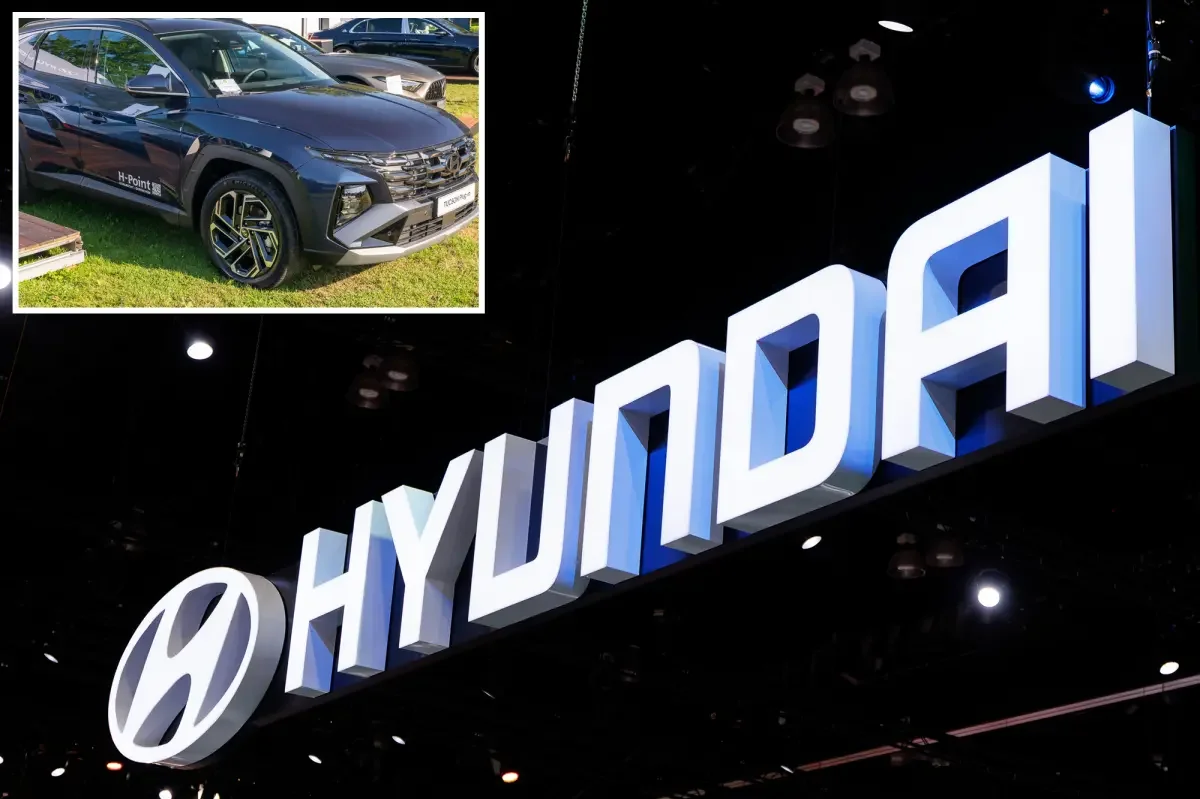
Hyundai is recalling over 400,000 vehicles due to a software glitch causing unexpected braking. The affected models, spanning 2025 and 2026, have been linked to several accidents and injuries. The recall highlights the importance of automotive software reliability and the need for rigorous testing.
Key Facts
-
Number of Vehicles Affected 421,000
-
Model Years Affected 2025-2026
-
Number of Accidents Reported 4
-
Type of Defect Software bug leading to unexpected braking
Impact
The recall is expected to have significant implications for Hyundai's reputation and financials. It may lead to a loss of customer trust and potential legal liabilities. Furthermore, the recall could also impact the resale value of the affected models. The automotive industry as a whole may also be affected, as it highlights the need for more stringent software testing and validation. Additionally, the recall may lead to increased scrutiny of autonomous and semi-autonomous vehicles, which rely heavily on complex software systems.
Key Insights
-
1
Automotive Software Reliability
The recall underscores the importance of ensuring the reliability and safety of automotive software
-
2
Regulatory Oversight
The incident may lead to increased regulatory oversight of the automotive industry, particularly with regards to software testing and validation
Opportunities
The recall presents an opportunity for companies specializing in automotive software testing and validation to offer their services to Hyundai and other manufacturers. It also highlights the need for more advanced testing technologies, such as AI-powered testing tools, to identify and mitigate potential software issues. Moreover, the incident may accelerate the development of more robust and secure software systems for the automotive industry, driving innovation and growth in the sector.
Risks & Challenges
The recall poses significant risks to Hyundai's financials and reputation. The company may face legal liabilities, recall costs, and potential losses in sales and market share. Furthermore, the incident may also have broader implications for the automotive industry, potentially leading to increased regulatory scrutiny and stricter safety standards. This could result in higher development costs and increased complexity for manufacturers, potentially impacting their bottom line.
Related Articles