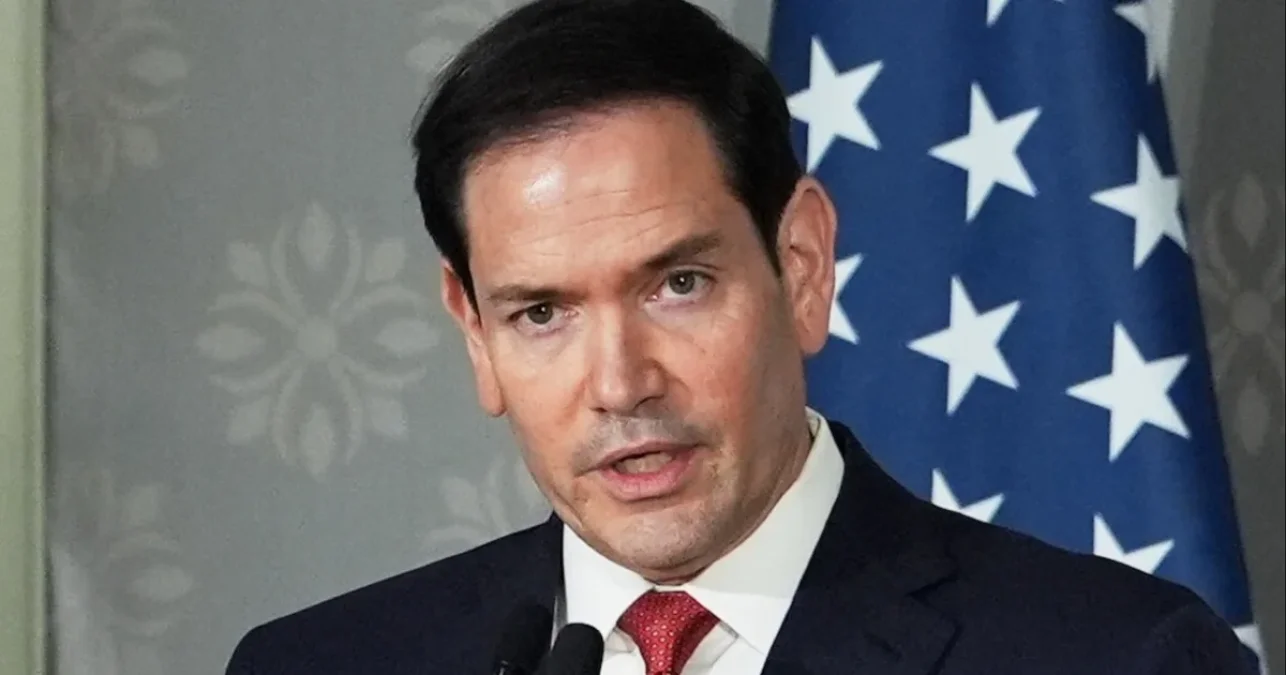
U.S.-Iran Tensions Mount Amid Ceasefire as Trump Administration Pursues Peace Deal
NewsHub
May 27, 2026
1 min read
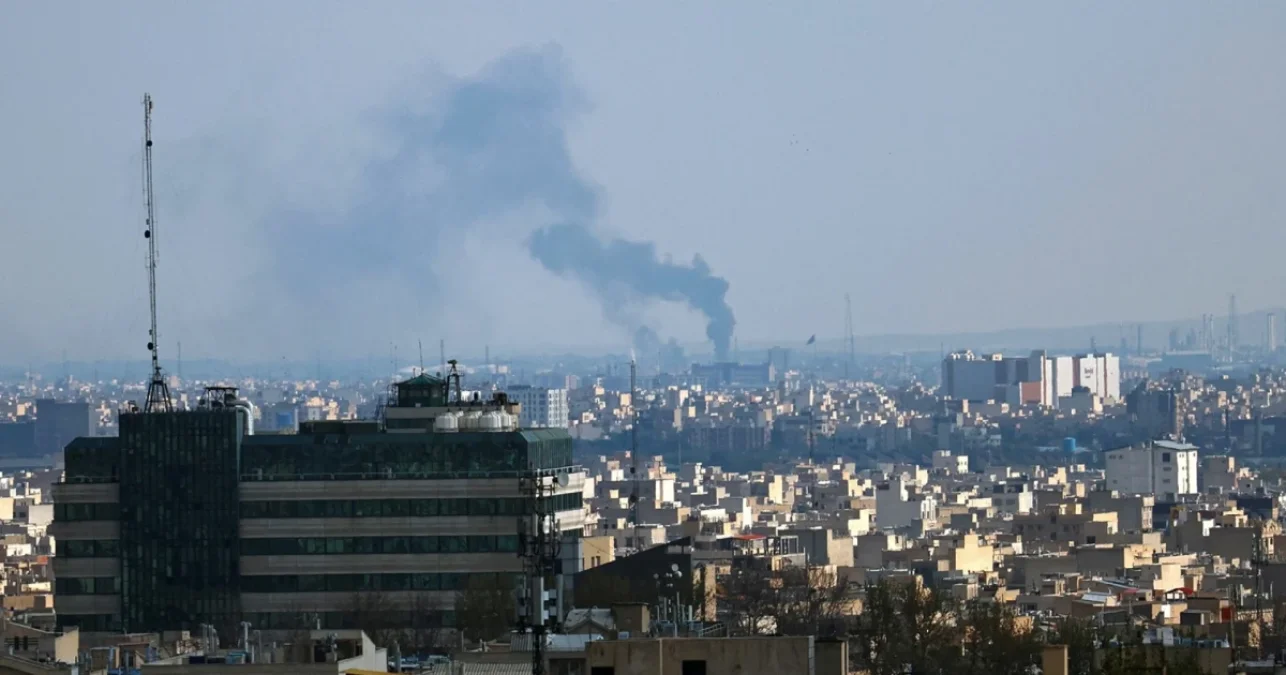
A fragile ceasefire between the United States and Iran has been severely tested by recent military exchanges, including claims from Tehran of engaging American aerial assets. This development emerges as the Trump administration expresses optimism about reaching a framework peace agreement this week, highlighting the precarious balance between ongoing hostilities and critical diplomatic efforts to stabilize the volatile bilateral relationship.
Key Facts
-
Primary Parties Involved United States and Iran
-
Current Status of Relations Operating under a fragile ceasefire
-
Recent Military Action Iran claims its air defenses fired upon U.S. drones and a fighter jet
-
U.S. Administration Trump administration (as of May 27, 2026)
-
Immediate Diplomatic Objective U.S. aims to finalize a framework peace deal this week
-
Source of Report NBC News
Impact
The recent exchange of military actions poses a significant threat to the already tenuous ceasefire, potentially derailing ongoing diplomatic overtures. Such incidents fuel regional instability, raising the specter of broader conflict across the Middle East. Allies and adversaries alike will closely watch these developments, potentially adjusting their strategic calculus based on the perceived strength or weakness of the ceasefire and the commitment to peace by both nations. Should the ceasefire collapse, it could trigger a wider regional escalation, drawing in proxy forces and other state actors, with severe humanitarian and economic consequences.
Key Insights
-
1
Strategic Signaling by Iran
Iran's public release of footage appears to be a deliberate strategic communication, aimed at demonstrating its defensive capabilities and resolve. This move could serve to establish perceived red lines and potentially enhance its leverage in the ongoing peace negotiations.
-
2
Fragility of Ceasefires
The incident underscores the inherent difficulty of maintaining a ceasefire without a comprehensive political agreement. Localized skirmishes and potential misinterpretations can quickly escalate, highlighting the critical need for robust de-escalation mechanisms and transparent communication channels between adversaries.
-
3
Diplomatic Urgency
The Trump administration's intensified push for a 'framework peace deal this week' suggests a recognition of the ceasefire's extreme fragility and an urgent desire to formalize a more stable arrangement. This urgency may be driven by internal political considerations, pressure from regional allies, or the desire to prevent further military escalation.
Opportunities
Should a framework peace deal materialize, it presents a significant opportunity for de-escalation and regional stabilization. This could pave the way for reduced military spending, allowing for the reallocation of resources towards economic development and increased foreign investment in both the United States and Iran, as well as the broader Middle East. Sectors such as infrastructure, energy, and technology could see renewed interest and collaboration. Furthermore, a formalized agreement could create a more predictable security environment, encouraging international businesses to re-engage with previously high-risk markets. This could unlock new trade routes and foster economic partnerships that have been stifled by years of tension, potentially leading to job creation and improved living standards in the region.
Risks & Challenges
The most immediate risk is the complete breakdown of the fragile ceasefire, leading to an uncontrolled escalation of hostilities between the U.S. and Iran. Such a scenario could rapidly expand into a wider regional conflict, drawing in proxy forces and other state actors, resulting in significant human cost, widespread destruction, and massive refugee flows across the Middle East. Global supply chains, particularly those reliant on Persian Gulf shipping, would face severe disruption. Beyond direct military conflict, there is a substantial risk of diplomatic failure, leaving both nations in a state of heightened alert and continued antagonism. This would perpetuate economic sanctions, restrict trade, and discourage foreign investment in the region, stifling economic growth and exacerbating existing socio-economic challenges within both countries and their neighbors. Global energy markets would remain highly volatile, impacting consumers and industries worldwide.
Source url: https://www.today.com/video/new-us-iran-tensions-further-jeopardize-fragile-ceasefire-263997509760
Related Articles