
Fatal Cosmetic Filler Complication Claims Estée Lauder VP: Scrutiny Mounts on Aesthetic Safety
NewsHub
Jun 17, 2026
1 min read
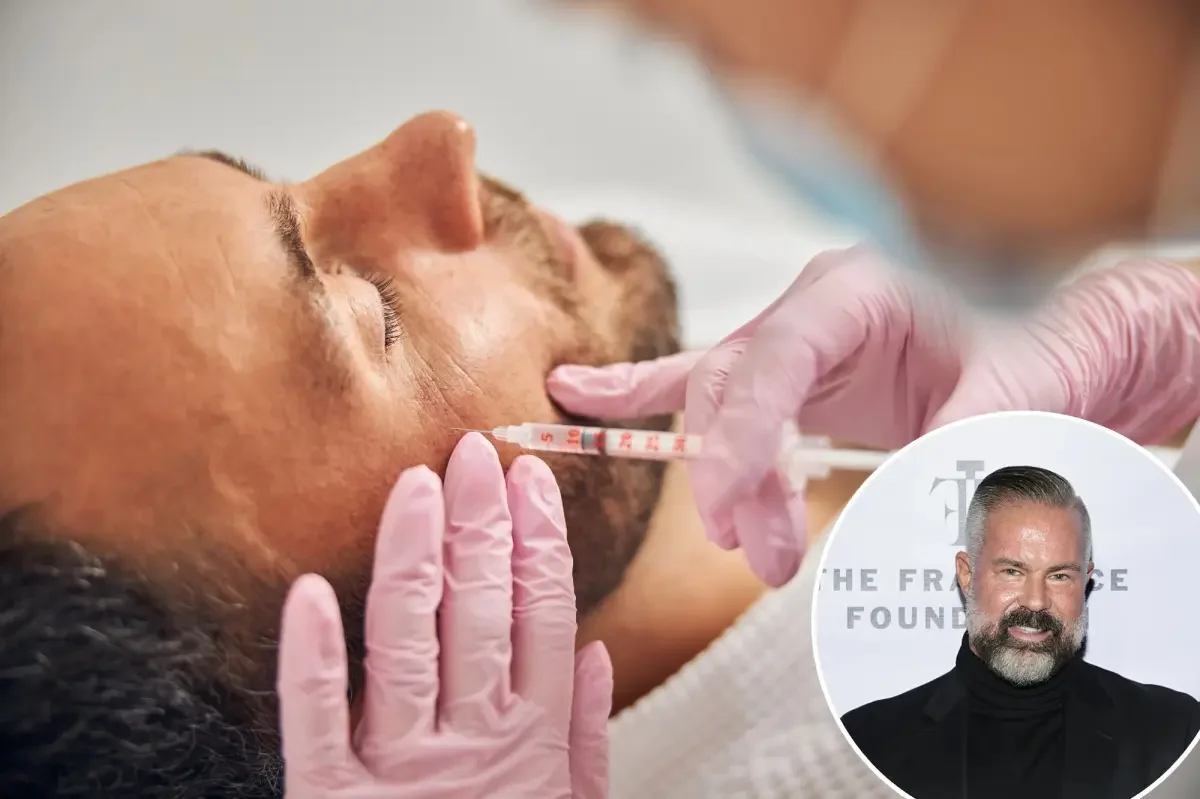
A senior executive at Estée Lauder tragically passed away in February 2026 due to a pulmonary embolism, a rare but lethal complication linked to a cosmetic filler procedure. Medical experts suggest the embolism likely stemmed from an accidental injection of the filler directly into a blood vessel. This incident has reignited critical discussions within the medical aesthetics community regarding practitioner training, injection protocols, and overall patient safety measures, highlighting the inherent, albeit low, risks associated with widely popular cosmetic enhancements.
Key Facts
-
Incident Date February 2026
-
Victim's Role Senior Executive at Estée Lauder
-
Cause of Death Pulmonary Embolism
-
Triggering Factor Cosmetic Filler Injection
-
Proposed Mechanism Accidental Intravascular Injection
-
Complication Rarity Rare
Impact
This tragic event is poised to significantly impact consumer confidence in the rapidly expanding cosmetic filler market. While millions undergo these procedures safely each year, a high-profile fatality involving a prominent corporate figure casts a long shadow, potentially leading many to reconsider elective aesthetic treatments. The public's perception of these procedures, often viewed as quick and low-risk beauty enhancements, may shift towards a greater understanding of their medical nature and potential dangers. For the aesthetic industry, the immediate aftermath will likely involve increased scrutiny from regulatory bodies, professional associations, and the media. Clinics and practitioners, particularly those perceived as operating with less stringent standards, could face a downturn in business or be compelled to adopt more rigorous safety protocols. This incident also serves as a stark reminder to medical device manufacturers and training academies about the critical importance of ongoing education, product safety, and robust emergency preparedness among practitioners.
Key Insights
-
1
Rarity vs. Severity
Highlights that even extremely rare complications can have devastating, fatal outcomes, emphasizing the need for universal vigilance.
-
2
Medical Procedure Acknowledgment
Reinforces that cosmetic filler injections are medical procedures requiring extensive anatomical knowledge and clinical skill, not merely beauty treatments.
-
3
Systemic Vulnerability
Exposes potential vulnerabilities in current training, certification, and oversight mechanisms within the aesthetic industry, particularly concerning non-physician injectors.
-
4
Consumer Education Gap
Underscores a potential gap in comprehensive risk communication to consumers, who may not fully grasp the potential, albeit rare, dangers.
Opportunities
The incident creates clear opportunities for innovation in patient safety technology and practitioner training. This includes the development and wider adoption of real-time imaging technologies (like ultrasound) to visualize blood vessels during injections, minimizing the risk of accidental intravascular placement. Furthermore, there's a growing need for advanced simulation-based training programs that equip injectors with enhanced anatomical knowledge and precise injection techniques, alongside comprehensive emergency response protocols. Beyond technology, the market may see a rise in demand for transparent, credential-verified platforms that help consumers identify highly qualified and experienced practitioners. Manufacturers could also explore developing safer filler formulations or delivery systems that intrinsically reduce the likelihood of severe complications, alongside robust post-market surveillance programs.
Risks & Challenges
The most immediate risk is a significant erosion of public trust in the safety of cosmetic filler procedures. This could lead to a substantial downturn in the aesthetic market, impacting clinics, manufacturers, and practitioners alike. The incident also heightens the risk of increased litigation against individual practitioners and clinics, particularly if investigations reveal negligence or inadequate safety measures were in place. Regulatory bodies face the risk of public outcry if they are perceived as not acting swiftly or decisively enough to address potential systemic issues. This could result in overly burdensome regulations that stifle innovation or disproportionately affect legitimate practitioners. Furthermore, there's a risk that a fear-driven narrative might overshadow the generally safe track record of these procedures when performed by qualified professionals, potentially pushing some consumers towards unregulated or 'underground' services with even greater risks.
Background
Dermal fillers have become one of the most popular non-surgical cosmetic procedures globally, with millions of treatments administered annually. Primarily composed of hyaluronic acid, calcium hydroxylapatite, or other biocompatible substances, they are used to restore volume, smooth wrinkles, and enhance facial contours. While generally considered safe when administered by trained professionals, rare but serious complications can occur. One of the most severe, though infrequent, complications is accidental injection into a blood vessel (intravascular injection). This can lead to vascular occlusion, tissue necrosis, vision loss, or, as in this tragic case, a pulmonary embolism if the filler material travels through the bloodstream to the lungs. Such incidents underscore the critical importance of detailed anatomical knowledge, meticulous injection technique, and immediate recognition and management of complications.
Related Articles