
Software Giants Confront Intensifying AI Talent Exodus as Executives Pivot to OpenAI
NewsHub
Apr 25, 2026
1 min read
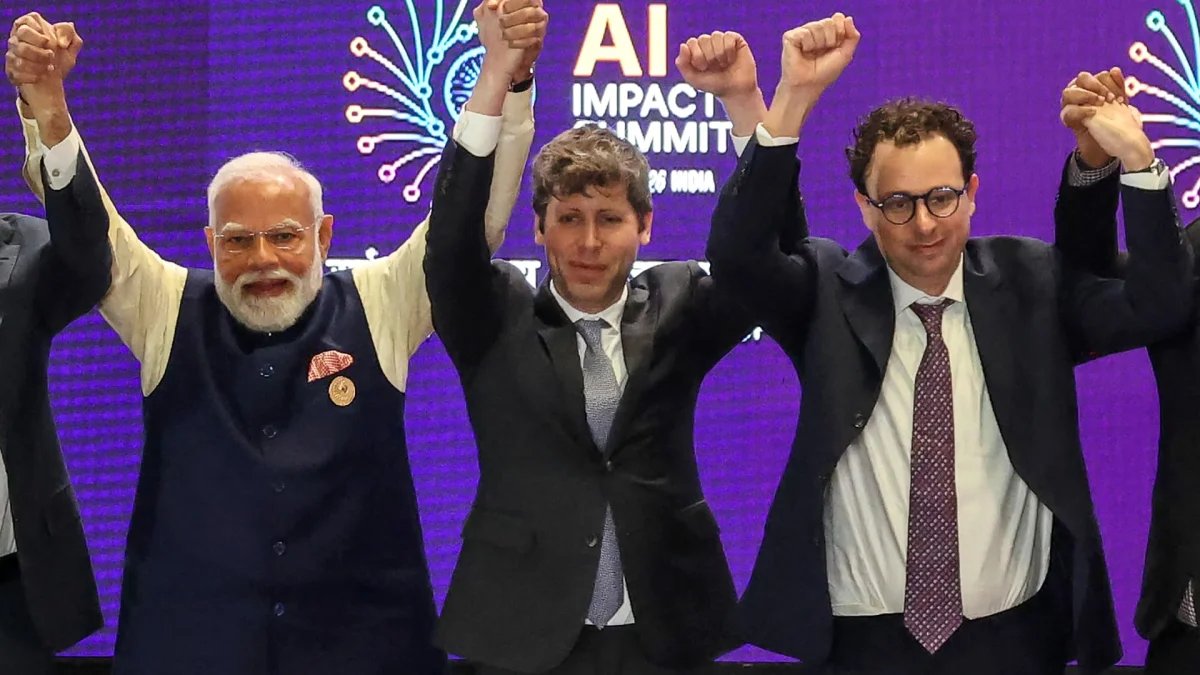
Traditional software powerhouses are experiencing a significant brain drain as top executives increasingly depart for leading AI innovators like OpenAI. This exodus compounds existing anxieties among investors, who have already driven down software stock performance due to concerns over AI's disruptive potential. The trend signals a critical re-evaluation of career trajectories within the tech sector, highlighting the magnetic pull of cutting-edge AI development. As April 2026 progresses, the struggle to retain key leadership in the face of aggressive AI recruitment threatens to further destabilize the established software industry, pushing firms to adapt or risk losing their competitive edge.
Key Facts
-
Affected Industry Traditional Software Sector
-
Talent Destination OpenAI and other leading AI firms
-
Type of Talent Moving Top Executives
-
Existing Industry Challenge Poor stock performance due to AI disruption fears
-
New Industry Challenge Loss of critical leadership and talent
-
Trend Driver Intensifying AI talent war
Impact
The departure of top executives to AI-centric companies like OpenAI creates immediate strategic and operational voids within traditional software giants. These leaders often possess deep institutional knowledge, cultivate critical client relationships, and drive long-term innovation roadmaps. Their absence can lead to a period of instability, delayed project execution, and potential morale issues among remaining staff, further weakening companies already under pressure from market fears of AI disruption. This talent drain also impacts market perception, potentially signaling a lack of future growth opportunities or an inability to compete effectively with emerging AI paradigms. Investors might view these executive moves as further validation of their concerns, potentially leading to continued stock underperformance and reduced valuation multiples. Beyond the immediate operational challenges, this talent migration exacerbates the difficulty for legacy software firms to pivot effectively towards AI. With key strategic minds moving to direct competitors, these companies lose the very architects who could guide their transformation. This could lead to a widening innovation gap, making it harder for established players to develop competitive AI offerings or integrate AI capabilities into their existing product portfolios, thereby accelerating their decline in market relevance and potentially impacting their long-term viability in an AI-dominated landscape.
Key Insights
-
1
Shift in Tech Power Dynamics
The movement of high-level talent from established software firms to AI pioneers like OpenAI signifies a profound shift in where innovation and growth are perceived to reside within the technology ecosystem. AI is no longer just a disruptive force but a primary destination for top-tier leadership.
-
2
Executive Confidence in AI
These executive 'jumps' indicate a strong belief in the long-term potential and market dominance of generative AI and similar technologies. Executives are voting with their feet, choosing direct involvement in AI development over managing traditional software portfolios.
-
3
Dual Pressure on Software Firms
Traditional software companies face a compounding crisis: market devaluation due to AI disruption fears, now coupled with a direct competitive threat to their human capital. This creates a significant challenge for retention and future strategic direction.
Opportunities
For the remaining software companies, this talent shake-up presents a stark imperative and a potential opportunity to redefine their value proposition and corporate culture. Firms that can rapidly pivot their R&D focus to AI integration, invest heavily in internal AI upskilling programs, and foster an innovative environment could not only retain existing talent but also attract new professionals seeking to work on AI within an established enterprise context. Strategic acquisitions of smaller, agile AI startups could also inject much-needed expertise and innovation, mitigating the impact of executive departures. Furthermore, this situation creates an opening for software companies to differentiate themselves by focusing on niche applications where human expertise, domain-specific knowledge, and robust legacy systems complement AI rather than being entirely replaced by it. Companies that can effectively blend their deep industry experience with smart AI augmentation could carve out new market segments, offering unique solutions that pure-play AI firms might overlook. This could also be an opportunity to foster a more resilient and adaptable leadership structure, less reliant on a few key individuals.
Risks & Challenges
The most immediate risk for the traditional software industry is a significant 'brain drain,' where critical strategic and technical leadership exits, leaving a vacuum in innovation, strategic planning, and operational execution. This can lead to a stagnation of product development, a slowdown in market responsiveness, and a decreased ability to adapt to rapid technological changes. Furthermore, the loss of high-profile executives can negatively impact investor confidence and company morale, potentially triggering further employee attrition and a downward spiral in market valuation. Over the longer term, there's a risk of traditional software firms becoming increasingly marginalized. If they cannot attract or retain top-tier talent capable of integrating AI effectively, they may struggle to compete with AI-native companies. This could lead to a reduction in market share, obsolescence of their core products, and ultimately, a significant restructuring or even acquisition by more forward-looking competitors. The talent drain also risks concentrating AI expertise within a few dominant players, potentially limiting broader industry innovation and increasing market consolidation.
Source url: https://www.cnbc.com/2026/04/25/ai-talent-wars-enterprise-software-executives-openai.html
Related Articles