
Groundbreaking Stem Cell Therapy Shows Promise in Reversing Type 1 Diabetes
NewsHub
May 23, 2026
1 min read
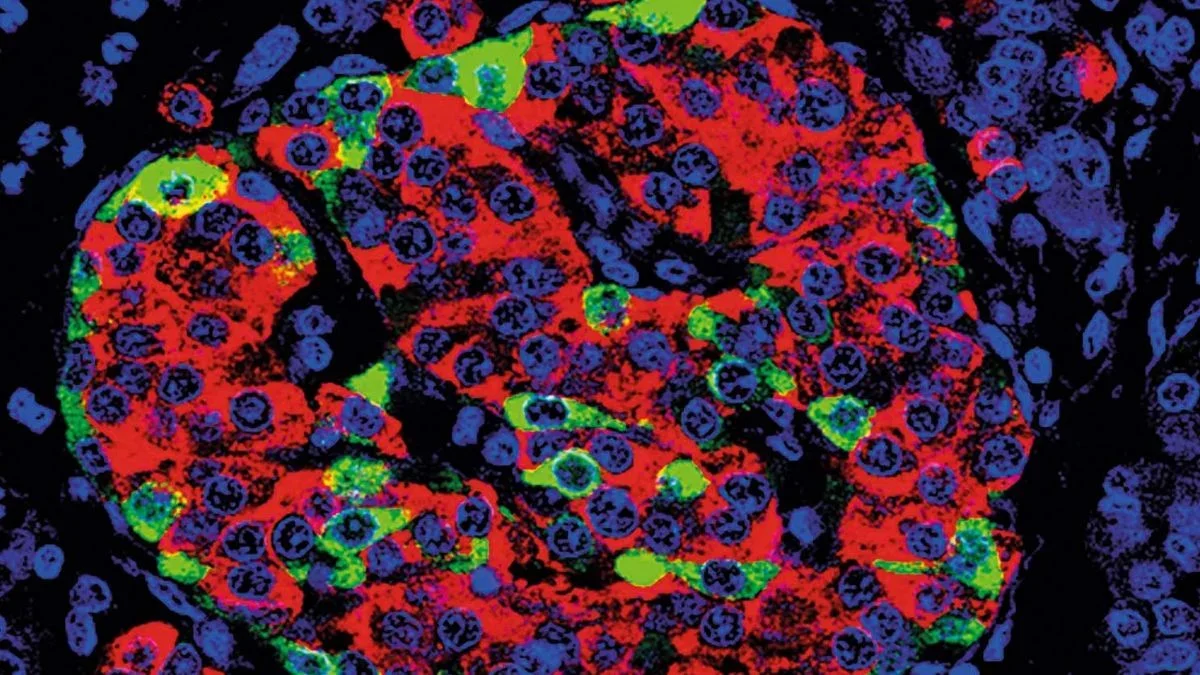
Early human trials are demonstrating that advanced stem cell treatments can restore the body's natural ability to produce insulin, a significant development for individuals with Type 1 diabetes. This innovative approach focuses on regenerating the insulin-producing beta cells within the pancreas, which are mistakenly destroyed by the immune system in this autoimmune condition. The research offers a glimmer of hope for a functional cure, potentially freeing patients from lifelong insulin dependency and the constant management of blood glucose levels. While still in the experimental stages, these positive results mark a pivotal moment in diabetes research.
Key Facts
-
Treatment Focus Regenerating insulin-producing beta cells using stem cells
-
Disease Targeted Type 1 Diabetes
-
Trial Stage Human trials showing positive results
-
Potential Outcome Restoration of natural insulin production
Impact
The implications of successfully restoring insulin production are profound for millions living with Type 1 diabetes. It could alleviate the daily burden of blood sugar monitoring, injections or pump management, and the constant anxiety associated with potential hypoglycemic or hyperglycemic events. Beyond the immediate patient experience, this breakthrough has the potential to significantly reduce healthcare costs associated with long-term diabetes complications, such as cardiovascular disease, kidney damage, and nerve degeneration. Furthermore, it could redefine the treatment paradigm, shifting from management to a potential remission or cure.
Key Insights
-
1
Scientific Breakthrough
This marks a significant advancement in regenerative medicine, moving beyond managing symptoms to addressing the root cause of Type 1 diabetes.
-
2
Therapeutic Potential
The ability of stem cells to differentiate into functional beta cells offers a new avenue for treating autoimmune diseases where specific cell types are lost.
Opportunities
This research opens considerable avenues for biopharmaceutical companies and biotechnology startups. The development of scalable and standardized stem cell manufacturing processes, as well as novel drug delivery systems for these therapies, present lucrative opportunities. Furthermore, investing in clinical trial infrastructure and regulatory affairs expertise will be crucial for bringing such advanced treatments to market. Collaboration between academic research institutions and industry leaders will be key to accelerating the translation of these promising findings into widely accessible therapies.
Risks & Challenges
Despite the encouraging trial outcomes, significant hurdles remain. The long-term efficacy and safety of these stem cell therapies need to be rigorously established. There is a risk of uncontrolled cell growth or the development of immune rejection, requiring careful monitoring and potentially immunosuppressive treatments, which carry their own set of side effects. Furthermore, the complexity and cost associated with generating and administering these advanced therapies could make them inaccessible to a large portion of the patient population initially, raising concerns about equitable access and healthcare disparities.
Source url: https://www.sciencealert.com/stem-cells-can-revive-insulin-production-in-type-1-diabetes-trials-show
Related Articles