
Breakthrough in Renewable Energy: Harnessing Power from Humidity
NewsHub
May 24, 2026
1 min read
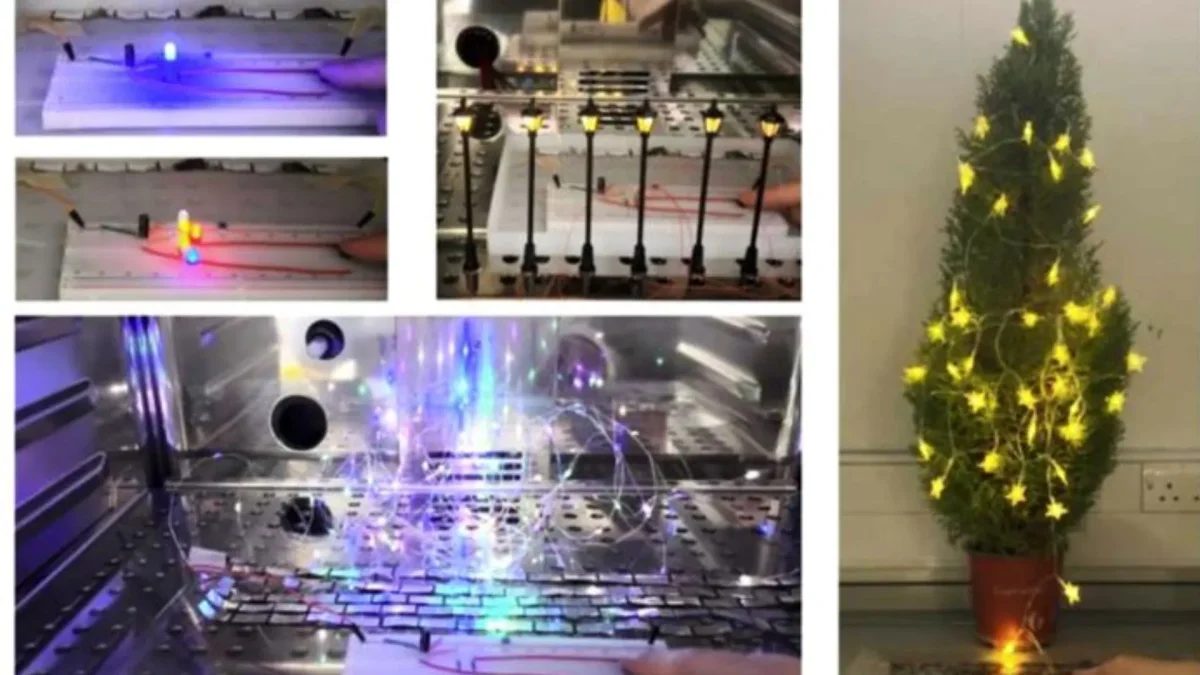
A novel, eco-friendly generator has been developed, capable of converting humidity into stable electrical energy. This innovative device is composed of biodegradable materials, including salt and gelatin, offering a promising solution for sustainable power generation. The technology has the potential to provide reliable energy in various environments, from remote areas to urban centers, and could contribute significantly to reducing our reliance on non-renewable energy sources.
Key Facts
-
Key Component 1 Salt
-
Key Component 2 Gelatin
-
Energy Source Humidity
-
Device Type Moisture-electric generator
-
Environmental Impact Biodegradable
Impact
The development of this new generator could have far-reaching impacts on the way we generate and consume energy. For one, it offers a clean and sustainable alternative to traditional fossil fuel-based power plants, which are significant contributors to greenhouse gas emissions and climate change. Additionally, the ability to harness energy from humidity could provide power to areas where other forms of renewable energy, such as solar or wind power, are not feasible due to geographical or environmental constraints. Furthermore, the use of biodegradable materials in the construction of the generator aligns with global efforts to reduce electronic waste and promote sustainability in technology. This could set a precedent for future innovations in the field of renewable energy, encouraging the development of devices that are not only efficient but also environmentally friendly. The potential applications of this technology are vast, ranging from powering small devices in remote or off-grid locations to contributing to the energy mix of larger urban areas. As the world continues to grapple with the challenges of climate change and energy security, innovative solutions like this humidity-powered generator are crucial for paving the way towards a more sustainable future.
Key Insights
-
1
Technological Insight
Advancements in material science and renewable energy technologies
-
2
Environmental Insight
Growing demand for sustainable and biodegradable technologies
-
3
Economic Insight
Potential for cost-effective energy generation and reduced dependency on fossil fuels
Opportunities
The development of this humidity-powered generator presents several business and technological opportunities. Companies involved in the renewable energy sector could explore integrating this technology into their product offerings, potentially expanding their market reach and customer base. Additionally, the innovation could attract investors looking to support sustainable and cutting-edge technologies, providing a boost to startups and research institutions working in this area. From a technological standpoint, the success of this device could spur further research into harnessing energy from other ambient sources, such as vibrations, heat, or light, leading to a more diversified portfolio of renewable energy solutions. This could also drive advancements in materials science, as scientists and engineers seek to develop new, sustainable materials that can be used in a wide range of applications, from energy generation to consumer electronics.
Risks & Challenges
Despite the promising potential of the humidity-powered generator, there are several risks and challenges that need to be addressed. One of the primary concerns is the scalability of the technology, as the current device may not be suitable for large-scale energy production. Significant investment in research and development would be required to enhance the efficiency and output of the generator, making it a viable alternative to existing power generation methods. Another risk is the potential environmental impact of deploying these devices on a large scale, despite their biodegradable nature. The extraction and processing of the materials used in the generator, such as salt and gelatin, could have unforeseen environmental consequences that need to be carefully assessed and mitigated. Furthermore, the devices' performance and longevity in various environmental conditions, including extreme temperatures and humidity levels, would need to be thoroughly tested to ensure reliability and durability.
Source url: https://interestingengineering.com/energy/thin-air-turned-into-power
Related Articles