
AI Governance Showdown: Jury Deliberates in High-Stakes Musk-Altman Credibility Trial
NewsHub
May 15, 2026
1 min read
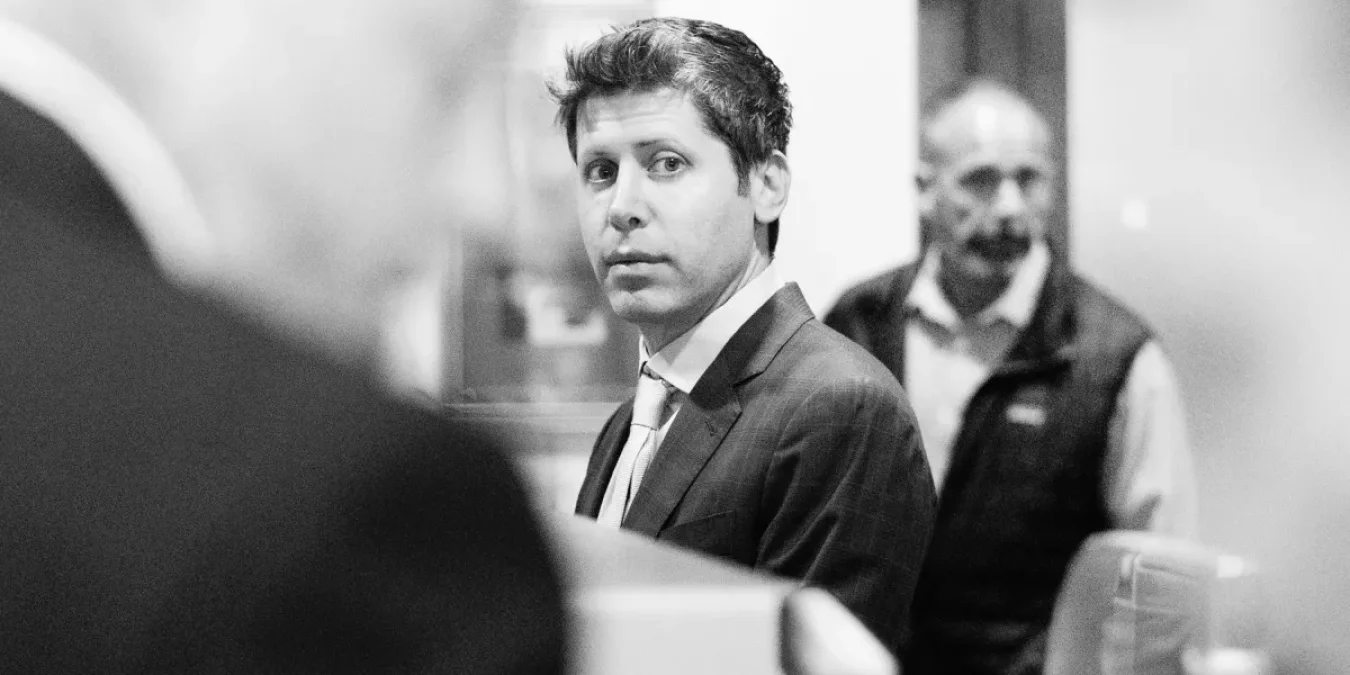
A highly publicized legal battle between prominent tech figures Elon Musk and Sam Altman has concluded its testimony phase, with the jury now tasked with rendering a verdict. The three-week trial saw both executives challenge each other's credibility, bringing to light significant internal issues concerning the governance and strategic direction of a leading artificial intelligence entity. Proceedings have reportedly raised more fundamental questions about the future of AI management than they have provided clear answers, underscoring the complexities inherent in regulating powerful, transformative technologies.
Key Facts
-
Litigants Elon Musk and Sam Altman
-
Trial Stage Jury deliberation, following three weeks of testimony
-
Core Dispute Focus Credibility of both parties; governance model for a major AI entity
-
Trial Outcome Expected to shape future oversight and leadership within the AI industry
-
Disclosures Trial proceedings reportedly unveiled internal conflicts and operational 'dirt'
Impact
The outcome of this landmark trial is poised to send significant ripples throughout the artificial intelligence sector and the broader tech industry. A verdict in favor of either Musk or Altman could set a powerful precedent for how leadership disputes are resolved in critical technology companies, potentially influencing investor confidence, talent acquisition, and strategic partnerships for years to come. Furthermore, the public airing of internal governance challenges will likely intensify calls for greater transparency and accountability in how cutting-edge AI organizations are structured and controlled, especially given the ethical implications of their products. Beyond the immediate parties, the trial has inadvertently become a public forum on the nascent, yet crucial, debate surrounding AI governance. The 'questions raised' by the proceedings are not merely internal corporate matters but reflect societal anxieties about who holds power over increasingly sophisticated AI systems, how that power is wielded, and what safeguards are in place. This could accelerate regulatory discussions globally, pushing governments and international bodies to define clearer frameworks for AI development and deployment, particularly concerning intellectual property, ethical guidelines, and corporate responsibility.
Key Insights
-
1
Legal Precedent Setting
The verdict could establish a critical legal framework for executive accountability and corporate governance disputes within the rapidly evolving AI industry.
-
2
AI Governance Urgency
The trial has highlighted the growing global urgency to define robust, transparent, and ethical governance models for powerful AI organizations, moving beyond internal squabbles.
-
3
Credibility in Tech Leadership
Increased scrutiny on the personal and professional credibility of tech leaders, demonstrating that public perception and trust are as crucial as technical innovation.
Opportunities
For businesses, this trial presents an opportunity to proactively develop and implement exemplary AI governance frameworks that prioritize transparency, ethical development, and stakeholder inclusion. Companies that can demonstrate robust internal controls, clear decision-making processes, and a commitment to responsible AI could gain a significant competitive advantage and build greater public trust. Furthermore, the increased focus on AI oversight could spur innovation in governance technologies, such as decentralized autonomous organizations (DAOs) or specialized AI auditing platforms, offering new avenues for tech startups. From a policy perspective, the ambiguities exposed by the trial create an opportunity for regulators and industry bodies to collaborate on developing internationally recognized standards for AI corporate structures and ethical guidelines. This could lead to the creation of new advisory services, certification programs, and legal specializations focused on AI, fostering a new niche market for expertise in responsible AI development and deployment.
Risks & Challenges
One significant risk stemming from this highly publicized trial is the potential for regulatory overreach or hastily conceived legislation. The revelations of internal 'dirt' and governance complexities could spook policymakers, leading to reactive regulations that stifle innovation or create undue burdens for legitimate AI research and development. An unfavorable outcome for either party, particularly if it suggests instability or unchecked power, might also deter investors from backing frontier AI projects, fearing protracted legal battles or ambiguous operational environments. Another risk lies in the potential for the trial to erode public trust in key AI leadership and the broader industry. If the proceedings have indeed 'spilled plenty of dirt' without offering clear solutions, it could foster a perception that powerful AI entities are poorly managed or unaccountable. This erosion of trust could translate into public resistance to new AI technologies, calls for moratoriums, or even boycotts, ultimately slowing the societal benefits that advanced AI could deliver if developed responsibly.
Source url: https://www.technologyreview.com/2026/05/15/1137357/musk-v-altman-week-3/
Related Articles