
Tech Leader Predicts Future Challenges for AI-Skeptical Graduates
NewsHub
May 25, 2026
1 min read
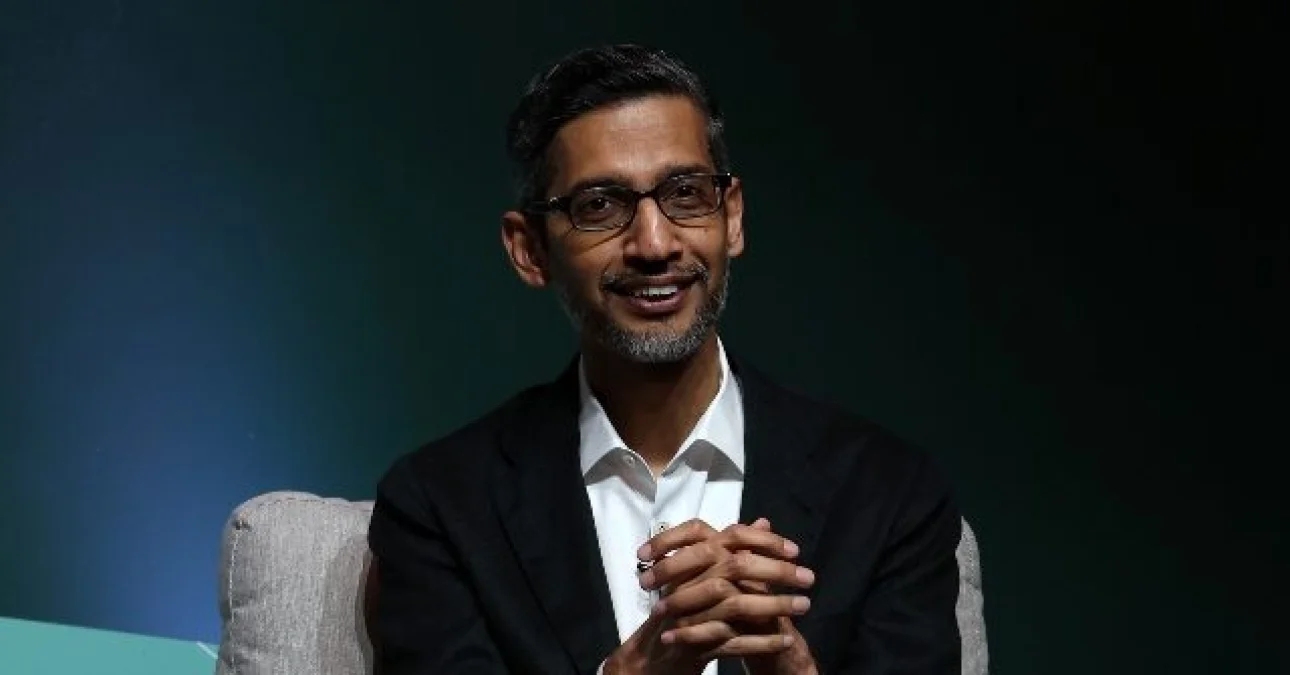
As artificial intelligence continues its rapid integration into various sectors, a prominent tech executive anticipates that graduates expressing apprehension towards AI will ultimately confront its widespread implications. The leader, set to address a university's graduating class, is poised to discuss the inevitable societal shifts driven by advanced technology, suggesting that those concerned must prepare to navigate this evolving landscape.
Key Facts
-
Speaker Google CEO Sundar Pichai
-
Event Stanford University Commencement Address
-
Timing Next month
-
Core Message Graduates wary of AI will need to contend with its societal effects.
Impact
The increasing sophistication and deployment of artificial intelligence are undeniably reshaping the global workforce and economy. Individuals entering the job market, particularly those in fields susceptible to automation or algorithmic decision-making, will likely face a professional environment profoundly influenced by AI. This could manifest as a demand for new skill sets, a redefinition of existing roles, or even the displacement of certain occupations, necessitating adaptability and continuous learning for career longevity. Furthermore, societal discourse surrounding AI's ethical implications, privacy concerns, and potential biases is intensifying. Graduates, as future leaders and contributors, will be instrumental in shaping how these complex issues are addressed. Their ability to critically engage with AI's development and implementation will be crucial in ensuring technology serves humanity responsibly and equitably, rather than exacerbating existing disparities or creating new ones.
Key Insights
-
1
Shifting Skill Demands
The emphasis is likely to move from routine tasks to critical thinking, creativity, and human-AI collaboration.
-
2
Technological Forefront
The speaker's position suggests a belief in the continued, perhaps accelerating, advancement and adoption of AI.
-
3
Future Readiness
The core message implies a call to action for graduates to proactively prepare for an AI-driven future.
Opportunities
For businesses, this sentiment underscores the urgent need to invest in AI research, development, and integration to maintain competitiveness. Companies that can effectively leverage AI to enhance efficiency, personalize customer experiences, and innovate new products and services will likely gain a significant advantage. Moreover, there's an emerging market for AI ethics consultants, trainers specializing in AI literacy, and developers focused on creating AI systems that are transparent, fair, and human-centric. Educational institutions have a clear opportunity to adapt their curricula, offering specialized programs and certifications in AI-related fields. This includes fostering interdisciplinary approaches that combine technical AI knowledge with humanities, ethics, and social sciences. By equipping students with both the technical prowess and the critical understanding of AI's societal impact, universities can better prepare them for the challenges and opportunities ahead, creating a more future-ready talent pool.
Risks & Challenges
One significant risk is the potential for increased societal anxiety and resistance to technological progress if the benefits of AI are not clearly communicated or if its negative consequences are not adequately addressed. Graduates who feel threatened by AI may disengage from fields that are becoming increasingly reliant on it, leading to a skills gap and hindering innovation. There's also a risk of a widening economic divide, where those with the skills to work alongside AI thrive, while those whose jobs are automated struggle to find new employment. Another considerable risk lies in the ethical and societal implications of unchecked AI development. Without careful consideration and regulation, AI could perpetuate or even amplify existing biases, leading to discriminatory outcomes in areas such as hiring, lending, and criminal justice. The concentration of AI power in the hands of a few large tech companies also poses a risk to democratic processes and individual liberties, necessitating robust public discourse and oversight to ensure AI is developed and deployed in a manner that benefits society as a whole.
Related Articles