Trump Proposes Expanded Abraham Accords for Iran Deal
NewsHub
May 25, 2026
1 min read
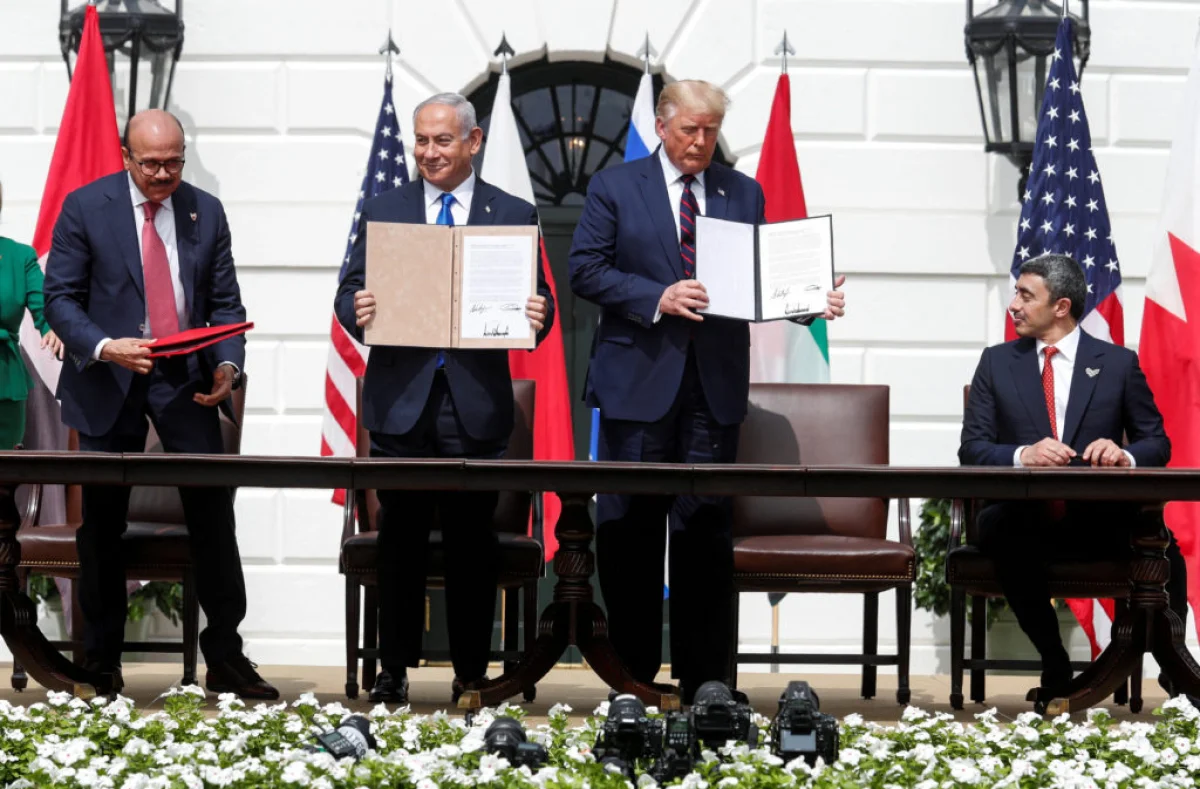
Former President Donald Trump has proposed a new condition for any potential agreement with Iran: the inclusion of additional regional powers in the U.S.-brokered Abraham Accords. Speaking on Monday, Trump suggested that countries such as Saudi Arabia and Turkey should be brought into the framework of normalizing relations with Israel as part of a comprehensive deal concerning Iran. This proposal connects the ongoing efforts to de-escalate tensions with Iran to the broader regional diplomatic realignment that began during his presidency.
Key Facts
-
Proposed Condition Inclusion of additional countries in Abraham Accords for an Iran deal
-
Key Countries Mentioned Saudi Arabia, Turkey
-
Abraham Accords Purpose Normalizing relations with Israel
-
Proposer Former President Donald Trump
-
Timing of Statement Monday
Impact
This proposition could significantly alter the landscape of Middle Eastern diplomacy. If pursued, it would link progress on the Iranian nuclear or security front directly to broader regional integration, potentially accelerating or complicating normalization efforts between Arab nations and Israel. It also elevates the Abraham Accords from a series of bilateral agreements to a potential multilateral bloc with implications for regional security architecture and economic cooperation. The inclusion of major players like Saudi Arabia, if achieved, would represent a monumental shift in regional alliances and could reshape existing power dynamics, offering a new platform for addressing shared security concerns, including those posed by Iran.
Key Insights
-
1
Geopolitical Leverage
Trump's proposal frames the Abraham Accords as a tool for achieving broader foreign policy objectives, particularly concerning Iran. It suggests a belief that increased Arab-Israeli normalization can serve as a deterrent or a basis for a stronger regional front against perceived Iranian influence.
-
2
Shifting Diplomatic Tactics
This approach represents a departure from more traditional diplomatic negotiations, emphasizing a package deal where progress in one area is contingent on advancements in others. It highlights a transactional style of diplomacy that seeks to leverage existing frameworks for new strategic gains.
Opportunities
The potential for broader participation in the Abraham Accords could unlock new avenues for economic collaboration, technological innovation, and joint security initiatives across the Middle East. The establishment of a larger bloc focused on regional stability could foster greater foreign investment and create new markets for businesses involved in infrastructure, energy, and defense. Furthermore, increased diplomatic engagement could lead to shared research and development in critical sectors, accelerating progress and competitiveness on a global scale.
Risks & Challenges
This strategy carries substantial risks. The linkage of Iran negotiations to the Abraham Accords could introduce new points of contention and delay or derail any potential agreement with Tehran, especially if key parties are unwilling to join the Accords under such conditions. Furthermore, it could alienate existing allies or create new divisions within the region if the expansion is perceived as overly prescriptive or driven by external agendas. The success of this approach hinges on the willingness of all parties, including Iran and the potential new signatories, to engage in a complex, multi-layered negotiation that could be fraught with competing interests and historical grievances.
Related Articles