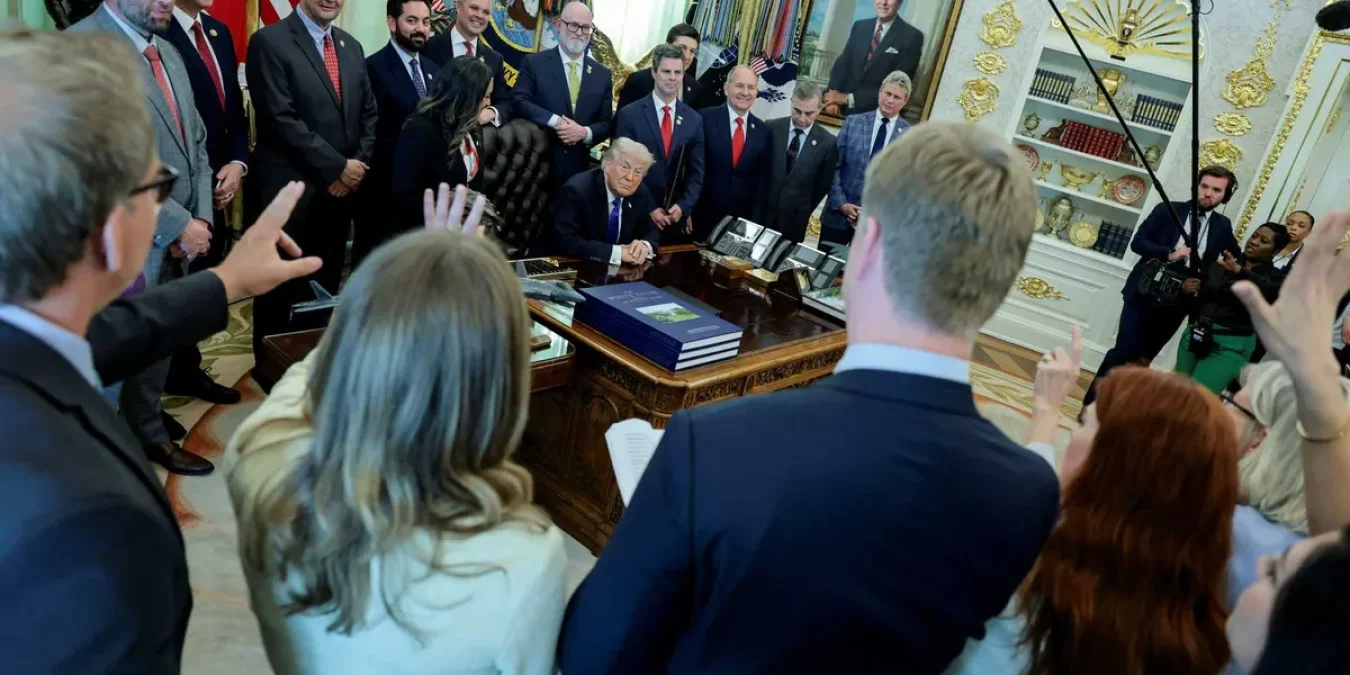
Iran Deal Draft Proposes Extended Truce and Ceasefire
NewsHub
May 25, 2026
1 min read
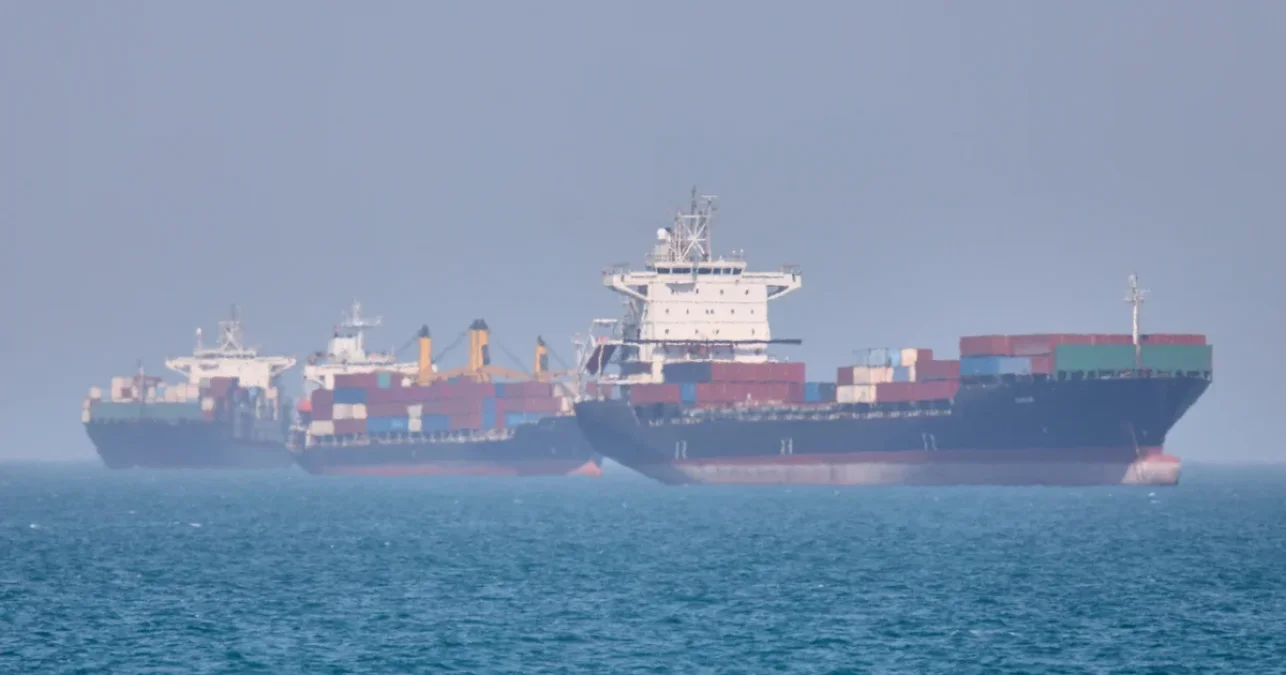
Leaked details of a preliminary agreement with Iran suggest a potential path forward, centering on an extended 60-day halt to hostilities. Sources indicate the proposed accord aims to bring an end to fighting across all active fronts. This development signals a potential de-escalation of regional tensions, with further implications to be explored as the draft is analyzed and potentially finalized.
Key Facts
-
Proposed Ceasefire Duration 60 days
-
Scope of Truce Halt of fighting on all fronts
Impact
This tentative agreement could usher in a period of reduced conflict in the region, potentially impacting regional security dynamics and the humanitarian situation for those affected by ongoing hostilities. A sustained ceasefire might also create a more conducive environment for diplomatic engagement on broader issues. The economic implications of a de-escalation could also be significant. A reduction in regional instability could lead to increased investor confidence, potentially benefiting economies reliant on trade and stability. Conversely, any perceived setback or collapse of these talks could reignite economic uncertainty and further strain affected markets.
Key Insights
-
1
Diplomatic Progress
The existence of a draft memo suggests that behind-the-scenes negotiations have reached a substantive stage, moving beyond preliminary discussions.
-
2
Focus on De-escalation
The immediate priority of the proposed deal appears to be stemming the immediate violence, indicating a focus on tactical stabilization before addressing more complex, long-term issues.
-
3
Source Reliability
Information originating from unnamed sources, while indicative of progress, necessitates verification and cautious interpretation.
Opportunities
Should this ceasefire hold and lead to further diplomatic breakthroughs, there could be significant opportunities for international humanitarian aid organizations to access previously difficult-to-reach areas. Furthermore, a stabilized region might attract renewed investment in reconstruction and development projects, particularly in infrastructure and essential services. Technologically, a more peaceful Iran and region could unlock opportunities for increased cross-border collaboration in areas like renewable energy, water management, and digital infrastructure development. This could foster innovation and shared progress, moving beyond geopolitical tensions.
Risks & Challenges
The primary risk lies in the fragility of any ceasefire agreement, particularly given the complex geopolitical landscape and the history of failed negotiations. A breakdown in talks or a resurgence of fighting could lead to increased regional instability and a hardening of diplomatic stances. There is also the risk of internal opposition or spoilers within Iran and among regional actors who may seek to undermine the agreement for their own strategic or political gains. This could manifest in proxy conflicts or renewed direct confrontations, jeopardizing any progress made.
Source url: https://www.cbsnews.com/news/iran-peace-deal-draft-memo-white-house/
Related Articles