AI Image of Trump as Christ Figure Sparks Religious Outcry
NewsHub
Apr 14, 2026
1 min read

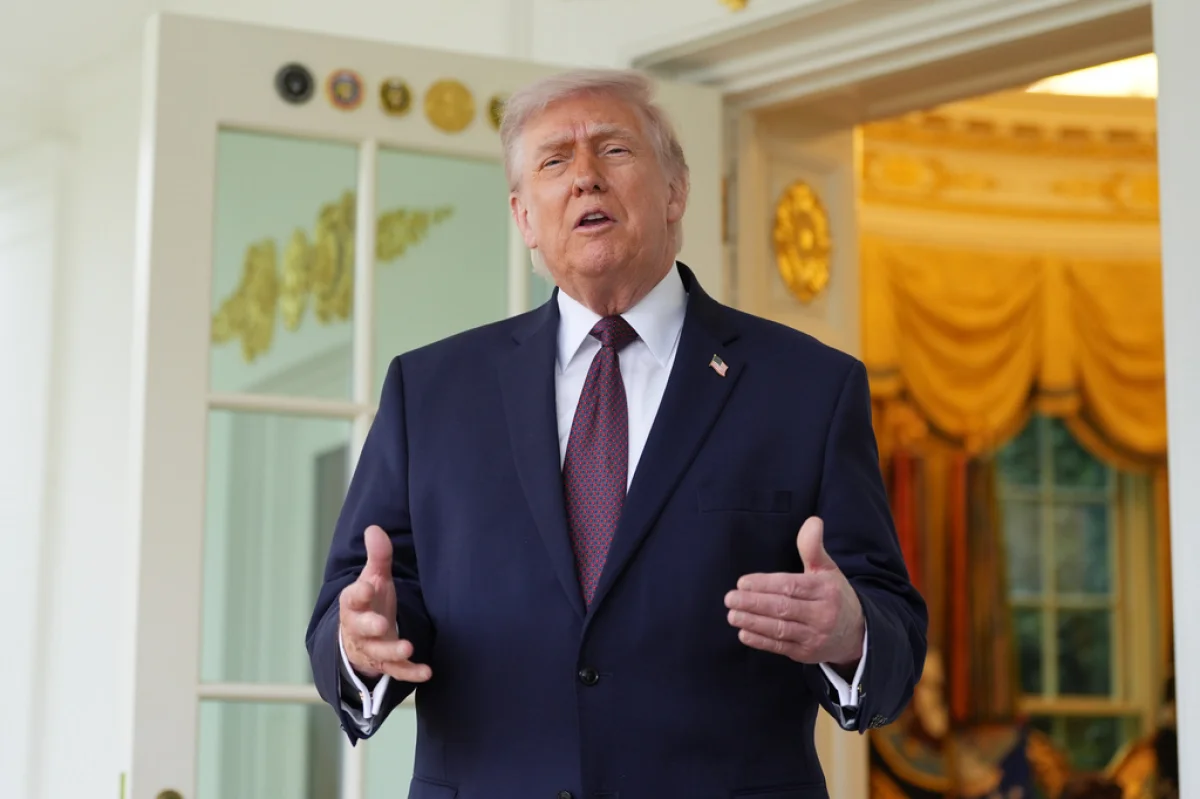
A recent AI-generated image shared by former President Donald Trump, which portrayed him in a manner resembling Jesus Christ, has ignited significant controversy. While Trump has historically garnered strong backing from religious conservatives, this particular depiction has drawn sharp criticism from some within that very demographic, who have condemned it as sacrilegious. The image, disseminated online, quickly became a focal point of debate, highlighting the complex relationship between political figures, religious symbolism, and modern digital creation tools. The swift removal of the image followed an immediate backlash, underscoring the sensitivities surrounding religious iconography and its appropriation in political messaging.
Key Facts
-
Image Content AI-generated depiction of Donald Trump resembling a Christ-like figure.
-
Source of Image Posted online by Donald Trump.
-
Primary Criticism Religious conservatives voiced strong objections, calling the image blasphemous.
-
Outcome The image was subsequently removed after facing significant backlash.
Impact
The incident has created a rift among some of Trump's traditional religious supporters, forcing a public reckoning with the use of religious imagery in political contexts. This controversy could potentially alienate a segment of his base who view such depictions as deeply disrespectful and a violation of sacred tenets. Furthermore, it raises questions about the appropriateness of leveraging religious symbolism for political gain, even when not directly endorsed by religious institutions. The debate extends to how artificial intelligence is being utilized to generate potentially provocative content, blurring the lines between artistic expression and cultural offense. The fallout also highlights the sensitivity surrounding public figures and religious iconography. For a demographic that has largely championed the former president, this AI-generated portrayal has crossed a line, suggesting a potential disconnect between the politician's actions and the deeply held beliefs of some of his most ardent followers. This could lead to a reassessment of support among those who prioritize religious reverence over political alignment, especially when such a fundamental boundary appears to be breached.
Key Insights
-
1
Religious Symbolism and Politics
The incident demonstrates the volatile intersection of religious symbolism and political branding, particularly in the digital age. The use of Christ-like imagery, even if not explicitly intended as divine, carries immense weight and is prone to misinterpretation and offense among believers.
-
2
AI's Role in Content Creation
This event underscores the growing power and potential pitfalls of AI in generating content that can provoke strong emotional and cultural reactions. The ease with which such images can be created and disseminated necessitates a greater awareness of their ethical implications.
-
3
Internal Conservative Dissent
The backlash from religious conservatives reveals that even within a strongly aligned group, there exists a capacity for critical dissent when fundamental values are perceived to be compromised.
Opportunities
The controversy presents an opportunity for AI developers and content creators to establish clearer ethical guidelines and safeguards against the generation of religiously insensitive or blasphemous material. This could involve implementing content filters or AI models trained to recognize and flag potentially offensive iconography. Furthermore, it opens avenues for educational campaigns on the responsible use of AI in public discourse, emphasizing the importance of cultural awareness and religious respect. For political strategists, it offers a lesson in the nuanced considerations required when engaging with religious sentiment and symbolism, highlighting the potential for unintended consequences.
Risks & Challenges
A significant risk lies in the further polarization of public discourse, with this incident potentially deepening divides between those who view the image as a harmless political statement and those who see it as a grave sacrilege. This could erode trust and alienate potential supporters who are deeply offended by the perceived disrespect towards religious figures. There's also a risk that such controversies could be exploited by opposing political factions to further demonize or discredit the former president and his base, creating a cycle of accusations and counter-accusations. Another considerable risk pertains to the unchecked proliferation of AI-generated content that intentionally or unintentionally pushes boundaries of religious and cultural sensitivities. This could lead to a normalization of such provocations, diminishing the impact of genuine religious expression and fostering an environment of disrespect. The potential for misinformation and deliberate attempts to incite religious offense through AI-generated imagery also remains a significant concern for social media platforms and public discourse.
Source url: https://www.spokesman.com/stories/2026/apr/13/gross-blasphemy-image-depicting-trump-as-jesus-fig/
Related Articles