VP Vance Commends Pope Leo XIV's Decision to Forego Public Debate with Trump
NewsHub
Apr 19, 2026
1 min read
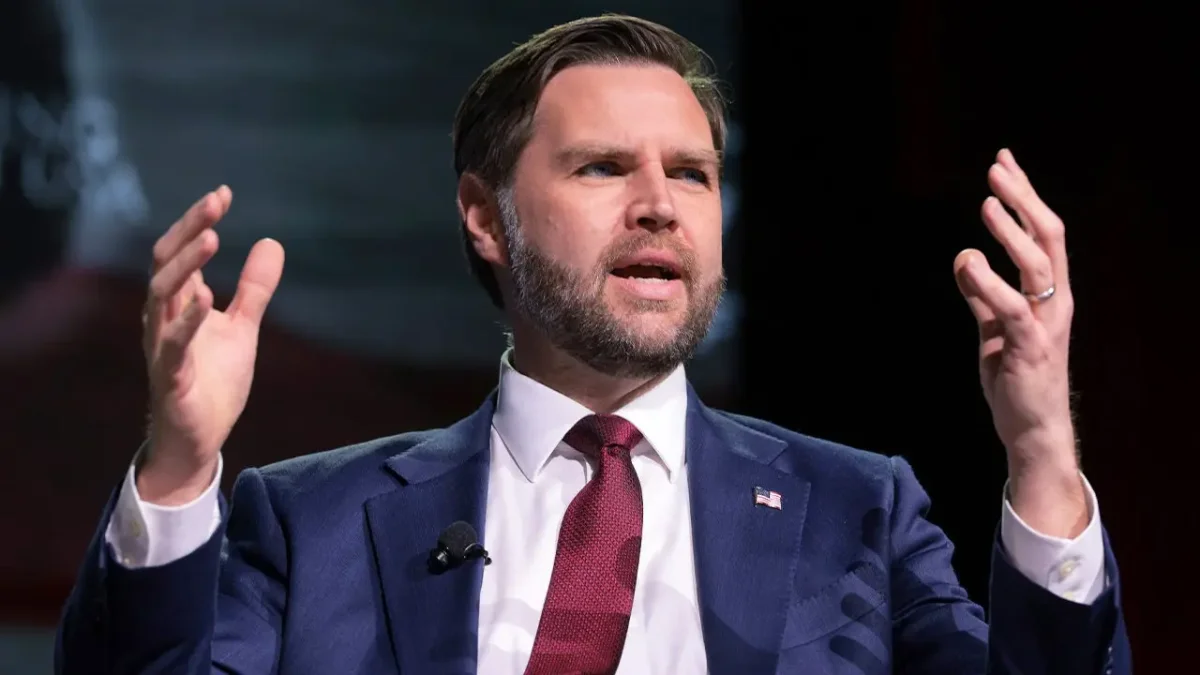
Vice President JD Vance has expressed appreciation for Pope Leo XIV's recent statement indicating a preference against engaging in a public debate with President Trump. This development comes after a period of heightened public disagreement between the U.S. White House and the Vatican. Vance's remarks signal a welcome move towards de-escalation, aiming to mitigate the diplomatic tensions that have characterized the relationship between the two entities over recent days. The pontiff's stance is seen as an effort to cool a brewing public confrontation, endorsed by the U.S. administration.
Key Facts
-
Principal Actors Vice President JD Vance, Pope Leo XIV, President Trump
-
Key Event Pope Leo XIV expressed disinterest in a public debate with President Trump
-
VP Vance's Stance Welcomes the Pope's decision as a de-escalation effort
-
Context Follows days of public disagreements between the U.S. White House and the Vatican
Impact
The immediate impact of Pope Leo XIV's decision and Vice President Vance's appreciative response is a significant reduction in diplomatic temperature between the U.S. and the Vatican. A direct public debate between a sitting U.S. President and the head of the Catholic Church would have been unprecedented and potentially deeply divisive, both domestically within the U.S. and internationally. This de-escalation prevents the entanglement of the Holy See in overtly partisan U.S. political discourse and allows for a return to more traditional, private diplomatic channels for addressing differences. In the longer term, this move could establish a precedent for how the Vatican chooses to engage with world leaders on contentious issues, favoring discreet negotiations over confrontational public exchanges. For the U.S. administration, it offers an opportunity to recalibrate its relationship with a globally influential religious institution, potentially fostering a more constructive dialogue on shared concerns such such as humanitarian aid, global peace, or environmental stewardship. It also burnishes Vice President Vance's image as a diplomatic voice within the administration, capable of navigating sensitive international relations.
Key Insights
-
1
Diplomatic Strategy
The Vatican's approach underscores a strategic preference for maintaining institutional dignity and avoiding direct political entanglement, even when faced with significant policy disagreements. This signals a measured diplomatic stance aimed at preserving long-term influence.
-
2
Political De-escalation
The rapid endorsement from VP Vance indicates the U.S. administration's recognition of the potential negative ramifications of a protracted public dispute with a major religious leader, highlighting a pragmatic move to de-escalate tensions and control the public narrative.
-
3
Precedent Avoidance
Pope Leo XIV's decision effectively sidesteps setting a precedent for pontiffs engaging in direct public debates with heads of state, a move that could significantly alter the nature of papal engagement with global politics and potentially diminish the Vatican's unique moral authority.
Opportunities
This de-escalation presents a clear opportunity for both the U.S. White House and the Vatican to reset their relationship. By avoiding a public spectacle, both parties can now pursue quieter diplomatic channels to address the underlying issues that led to the recent tensions. This could involve high-level private meetings, special envoys, or working groups focused on specific policy areas where common ground might be found or disagreements can be constructively managed. From a broader perspective, this situation offers an opportunity for religious and political leaders globally to observe a model of de-escalation. It encourages focusing on substantive dialogue behind closed doors rather than public confrontations that often devolve into rhetoric. This could lead to an increased emphasis on discreet diplomacy in managing complex international relations involving faith-based organizations and national governments, fostering an environment for more effective collaboration on shared global challenges.
Risks & Challenges
Despite the immediate de-escalation, a significant risk remains that the underlying points of contention between the White House and the Vatican have not been resolved, merely pushed from the public eye. Should these fundamental disagreements – potentially on issues such as human rights, social justice, or international policy – resurface without adequate private diplomatic engagement, future tensions are inevitable, potentially even more challenging to manage given the previous public spat. Another risk is the perception of weakness or avoidance from either side. Some might interpret the Pope's decision as a reluctance to directly challenge powerful political figures, potentially emboldening critics or those who might seek to exploit perceived divisions. Conversely, the White House could be seen as having avoided a public showdown without addressing substantive issues, which could lead to further accusations of sidestepping accountability or serious policy discussions.
Source url: https://www.foxnews.com/politics/vance-says-hes-grateful-pope-leos-statement-wanting-public-debate-trump