
Vermont's 2026 Maple Season Concludes with Record-Breaking Output for Many, Securing Dominant US Market Share
NewsHub
Apr 19, 2026
1 min read
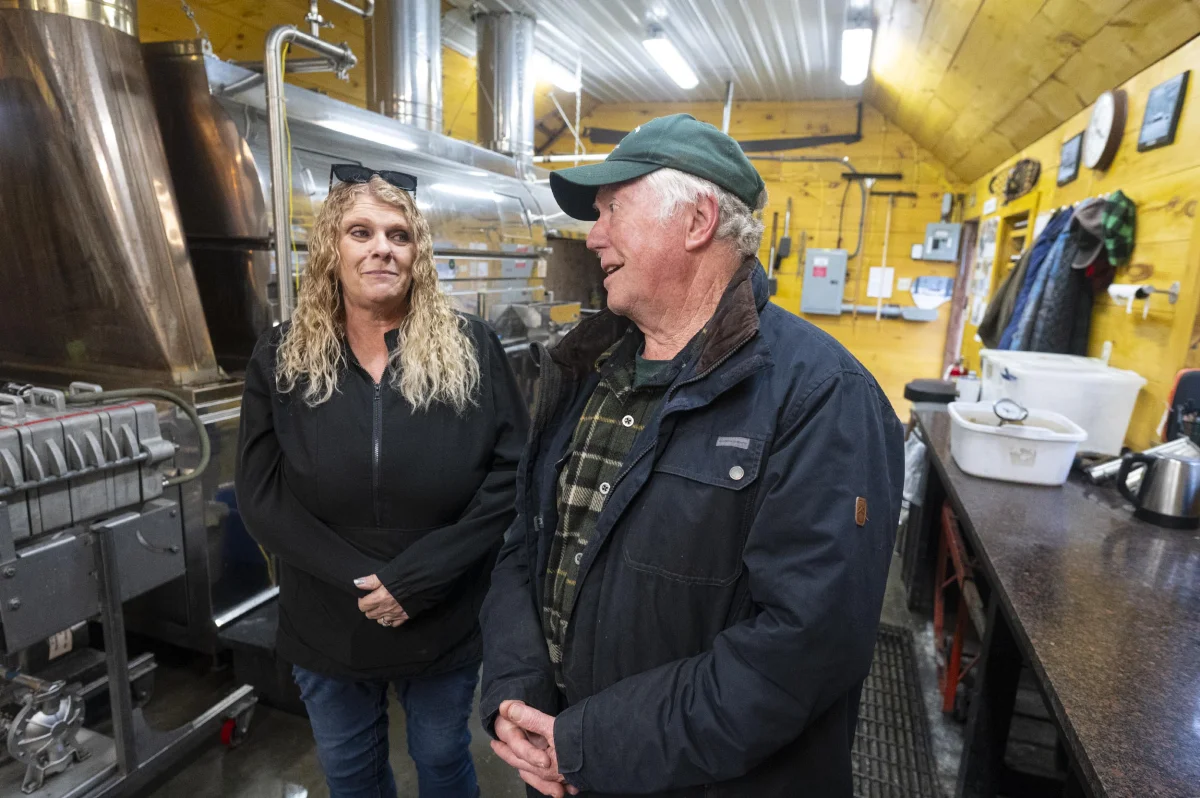
Vermont's maple syrup producers have wrapped up their 2026 season, with state estimates indicating a robust output of approximately 3 million gallons. While results varied among individual sugarmakers, many reported record-breaking yields. This impressive production figure represents over half of the entire United States' annual maple syrup supply, solidifying Vermont's leading position in the national market and highlighting a successful year for the state's iconic agricultural sector.
Key Facts
-
Vermont's Estimated 2026 Maple Syrup Production 3 million gallons
-
Vermont's Share of US Maple Syrup Output Over 50%
-
Season Status Concluded
-
Individual Producer Performance Varied, with many reporting record yields
Impact
A bumper maple crop profoundly benefits Vermont's rural economy. Increased production translates directly into higher revenues for farmers, supporting local businesses through equipment purchases, labor, and tourism. This success can bolster the state's agricultural sector, attracting new investment and reinforcing the "Vermont Made" brand which is highly valued by consumers, both domestically and potentially internationally. Nationally, Vermont's significant output ensures a strong supply of pure maple syrup, potentially stabilizing or even influencing retail prices. This dominant market share also highlights Vermont's critical role in meeting consumer demand across the country, while potentially creating competitive challenges for smaller producers in other regions due to market dynamics and pricing pressures.
Key Insights
-
1
Production Factors
The reported success of the 2026 maple season in Vermont suggests a combination of favorable climatic conditions—likely ideal freeze-thaw cycles during the tapping season—and potentially improved production technologies or management practices among sugarmakers. The disparity in individual results indicates that microclimates, tree health, and farm-specific efficiencies continue to be significant yield determinants.
-
2
Market Position
This sustained high output reinforces Vermont's enduring expertise, robust infrastructure, and dominant market position within the maple industry. It also points to strong and growing consumer demand for natural sweeteners, allowing for such large-scale production to be absorbed by the market without immediate signs of significant oversupply.
-
3
Agricultural Resilience
The sector's ability to deliver such volumes underscores its resilience and adaptability, particularly in an era of changing agricultural landscapes and climate considerations.
Opportunities
The record production presents significant opportunities for market expansion and product innovation. Vermont producers can leverage this abundance to explore new domestic and international markets, potentially through strategic partnerships or enhanced export initiatives focusing on the premium quality of Vermont maple. There's also scope for developing a wider range of value-added products beyond traditional syrup, such as maple candies, creams, sugars, and even maple-infused gourmet items, catering to diverse consumer preferences and increasing profit margins. Furthermore, investment in sustainable harvesting practices and energy-efficient processing technologies could be a strategic move. Promoting the health benefits and natural origin of maple syrup through targeted marketing campaigns could also capture a larger share of the wellness-conscious consumer market, distinguishing it from artificial sweeteners and lower-quality alternatives.
Risks & Challenges
One primary risk associated with such high production volumes is potential market saturation, which could lead to downward pressure on prices, impacting the profitability of individual sugarmakers. While demand for pure maple syrup remains strong, an oversupply could diminish profit margins, especially for smaller operations with higher per-gallon production costs. Effective inventory management, diversified distribution channels, and strong branding will be crucial to mitigate this. Another significant concern is the inherent vulnerability of maple syrup production to climate change. Ideal weather patterns—specifically cold nights and warm days—are essential for optimal sap flow. Shifting climate patterns, including shorter winters, earlier thaws, or extreme weather events, could introduce significant volatility to future yields, making long-term planning challenging and requiring continuous adaptation in production methods and timing.
Related Articles