US Military Strike Neutralizes Suspected Narco-Terrorists on Eastern Pacific Drug Route
NewsHub
May 06, 2026
1 min read
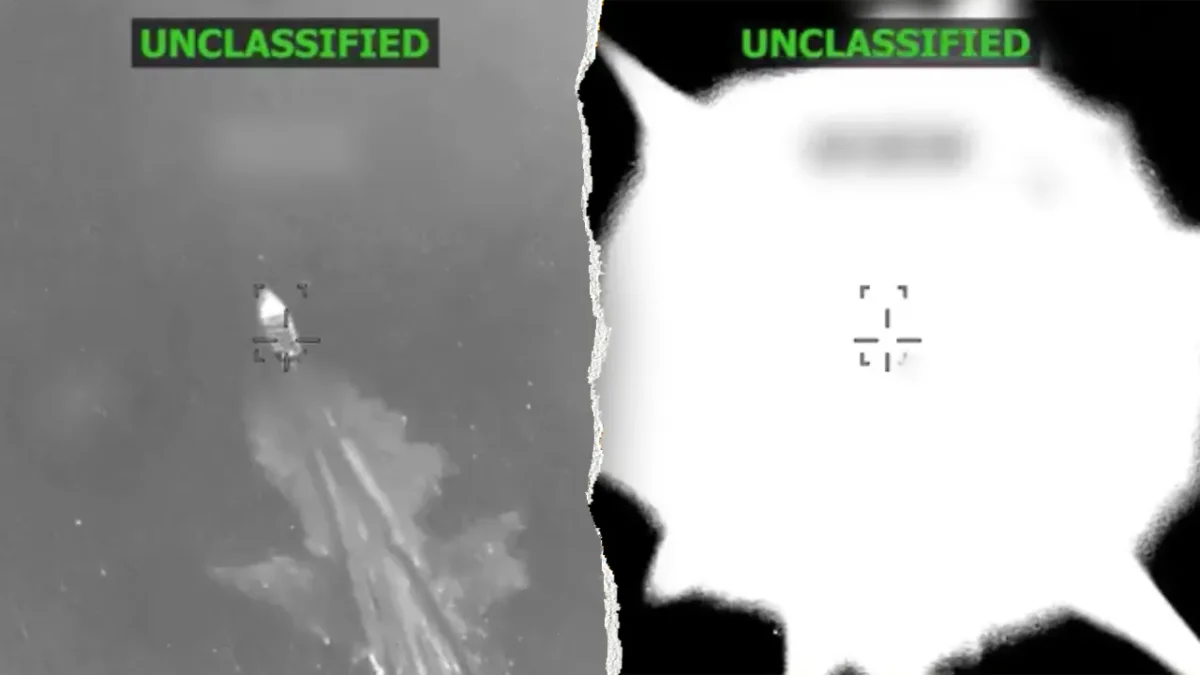
On Tuesday, U.S. military forces, under the command of U.S. Southern Command (SOUTHCOM), executed a lethal strike against a vessel suspected of drug trafficking in the Eastern Pacific. The operation resulted in the deaths of three individuals identified as suspected narco-terrorists. This action highlights the ongoing commitment of the United States to disrupt illicit maritime drug routes and address the growing nexus between organized crime and extremist elements in the Western Hemisphere. The incident underscores a proactive military approach to counter-narcotics efforts far from continental U.S. shores.
Key Facts
-
Operating Entity U.S. Southern Command (SOUTHCOM)
-
Date of Report Tuesday, May 5, 2026
-
Target Drug-trafficking vessel
-
Location Eastern Pacific Ocean
-
Casualties Three suspected narco-terrorists
-
Nature of Action Lethal military strike
Impact
This military intervention is expected to have an immediate, albeit localized, disruptive effect on drug trafficking operations utilizing the Eastern Pacific corridor. By directly engaging and neutralizing suspected personnel, the U.S. aims to signal a heightened level of enforcement and risk for illicit actors in these waters, potentially forcing adjustments in routes or methods. Such actions could also serve as a deterrent, increasing the cost and danger associated with maritime drug transport. Broader implications include the potential for geopolitical ripple effects. While presented as a counter-narcotics measure, the use of lethal military force against non-state actors in international waters raises questions about sovereignty and the perceived expansion of U.S. military reach in the region. Regional partners and rival nations will closely observe this development for precedents it might set regarding engagement with transnational criminal organizations. The designation of individuals as 'narco-terrorists' implies a strategy that blurs the lines between law enforcement and counter-terrorism, potentially allowing for more aggressive military responses than traditional drug interdiction. This framing could influence how other nations perceive and respond to similar threats within their own spheres of influence.
Key Insights
-
1
Strategic Shift
The incident suggests a continued evolution in U.S. counter-narcotics strategy, moving beyond passive interdiction to active, lethal engagement against designated 'narco-terrorists' far offshore. This indicates a proactive stance aimed at dismantling the operational capabilities of these groups at their source or during transit.
-
2
Designation Significance
The use of the term 'narco-terrorists' is crucial. It elevates the threat perception beyond mere criminality to a national security concern, potentially justifying a broader array of military actions under the auspices of counter-terrorism and global security.
-
3
Persistent Threat
The strike in the Eastern Pacific underscores the enduring challenge posed by maritime drug trafficking and the increasing sophistication and cross-pollination between drug cartels and groups employing terrorist tactics. It highlights the continued importance of this vast oceanic corridor for illicit trade.
-
4
Intelligence Capabilities
Executing such a precise, lethal strike implies robust intelligence, surveillance, and reconnaissance (ISR) capabilities, as well as the ability to accurately identify targets and assess intent in a complex maritime environment.
Opportunities
The escalating complexity of maritime threats, combining drug trafficking with potential terrorist links, creates significant opportunities for defense technology and security firms. There is an increased demand for advanced intelligence, surveillance, and reconnaissance (ISR) systems, including long-range maritime patrol drones, satellite imagery analysis, and AI-powered predictive analytics to identify vessels and patterns associated with illicit activities. Furthermore, specialized naval and aerial assets capable of rapid response and precision engagement in international waters will see continued investment. This extends to secure communication systems, data fusion platforms that integrate various intelligence streams, and training programs for military and law enforcement personnel operating in these high-stakes environments. Companies offering solutions for real-time threat assessment and interdiction tactics are likely to find fertile ground for innovation and deployment.
Risks & Challenges
One significant risk stemming from this type of military action is the potential for escalation and unintended consequences. Direct lethal engagement with suspected narco-terrorists could provoke retaliatory actions against U.S. assets or personnel, or even against allied nations in the region. There's also the risk of alienating certain regional governments if the operations are perceived as infringing on sovereign interests or if they lead to accusations of overreach by the U.S. military. Another critical area of concern involves the legal and ethical dimensions of such strikes. Questions may arise regarding the precise intelligence supporting the 'narco-terrorist' designation, the legal justification for lethal force in international waters against non-state actors, and the potential for civilian casualties or misidentification. These issues could lead to international scrutiny, debates within multilateral organizations, and potentially undermine public trust or diplomatic relations if not handled with complete transparency and adherence to international law.