US Immigration Reforms Spark Concerns for Indian Nationals
NewsHub
May 24, 2026
1 min read
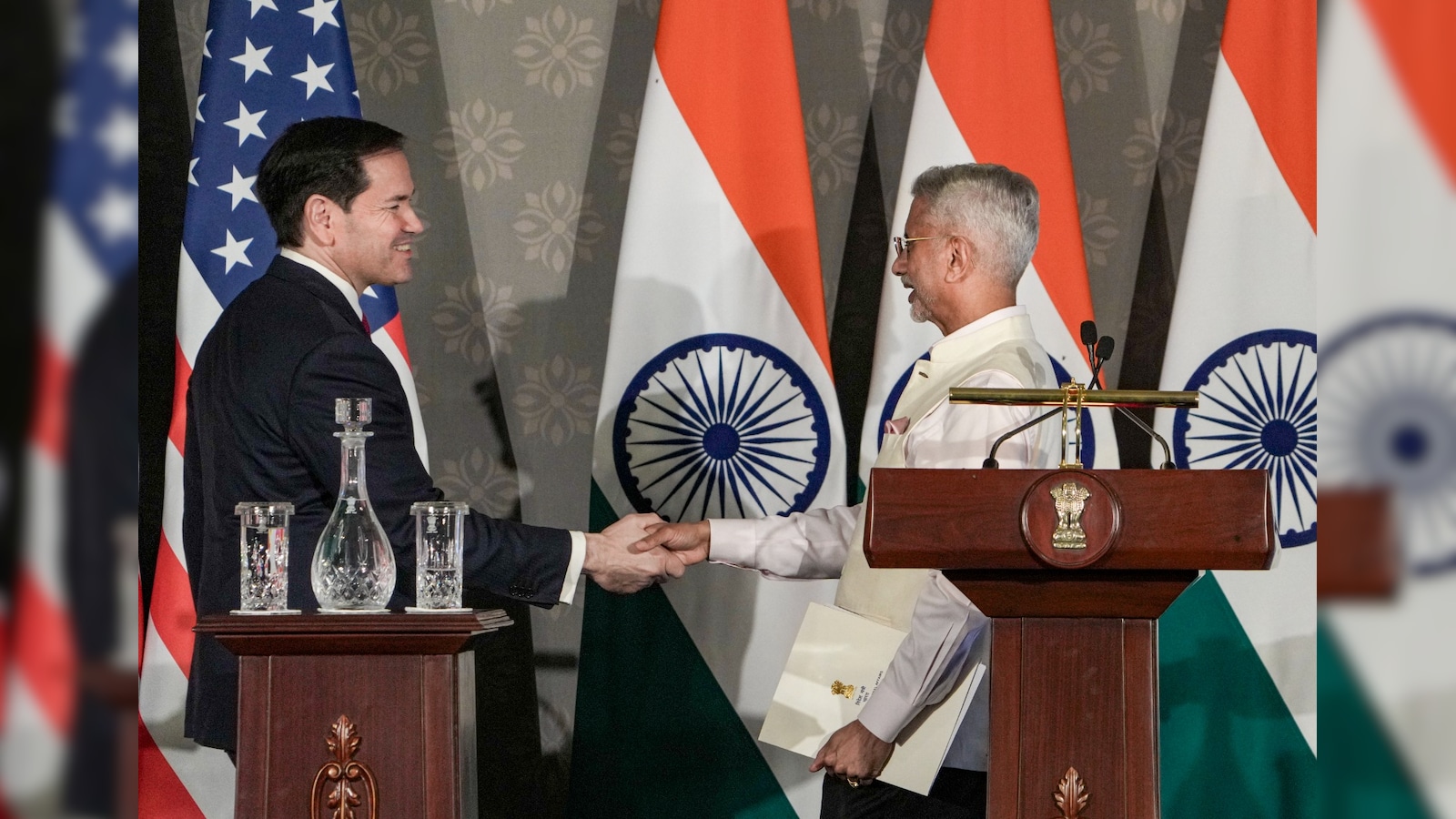
India's external affairs minister has expressed concerns over recent US immigration rule changes, citing potential impacts on legal mobility. The changes include increased H1B visa fees and revised green-card procedures, which may require applicants to file from their home countries. This development has sparked worries among Indian nationals seeking to work or live in the US.
Key Facts
-
Affected Visa Type H1B
-
New Requirement Filing from home country for green-card procedures
-
Increased Fee H1B visa fees
Impact
The revised US immigration rules may lead to increased costs and bureaucratic hurdles for Indian nationals seeking to work in the US. This could affect the competitiveness of Indian companies and individuals in the global job market. Furthermore, the changes may also impact the ability of US companies to attract and retain top talent from India, potentially hindering innovation and economic growth.The potential disruption to legal mobility between the two countries may also have broader implications for bilateral trade and economic relations. As the US and India continue to deepen their economic ties, any obstacles to the free flow of talent and ideas could undermine the growth of this strategic partnership.The Indian government's concerns highlight the need for a balanced approach to immigration reform, one that addresses national security and economic concerns while also facilitating the exchange of talent and ideas between nations.
Key Insights
-
1
Economic Implications
Potential impact on bilateral trade and economic relations
-
2
Global Competitiveness
Affect on Indian companies and individuals in the global job market
-
3
Innovation and Growth
Potential hindrance to US companies attracting top talent from India
Opportunities
The current situation presents an opportunity for the US and Indian governments to engage in dialogue and find mutually beneficial solutions. By working together, they can identify ways to balance immigration reform with the need to facilitate the exchange of talent and ideas. This could involve exploring alternative visa programs or streamlining procedures to reduce bureaucratic hurdles.The private sector can also play a role in addressing the challenges posed by the revised immigration rules. Companies can invest in training and development programs to upskill their existing workforce, reducing their reliance on foreign talent. Additionally, they can explore innovative solutions, such as remote work arrangements, to tap into the global talent pool while minimizing the need for international travel.
Risks & Challenges
The revised US immigration rules pose significant risks to Indian nationals and companies, as well as to the broader bilateral relationship. If the concerns are not addressed, it could lead to a decline in investment and trade between the two countries, ultimately harming economic growth and job creation.The risks are not limited to economic concerns; they also have the potential to impact the social and cultural fabric of the two nations. The exchange of talent and ideas between the US and India has contributed significantly to the diversity and richness of both countries. Any obstacles to this exchange could have long-term consequences for the bilateral relationship and the global community as a whole.
Related Articles