US Immigration Policy: Senator Rubio Addresses India's Concerns Over Potential Trump Administration Changes
NewsHub
May 24, 2026
1 min read
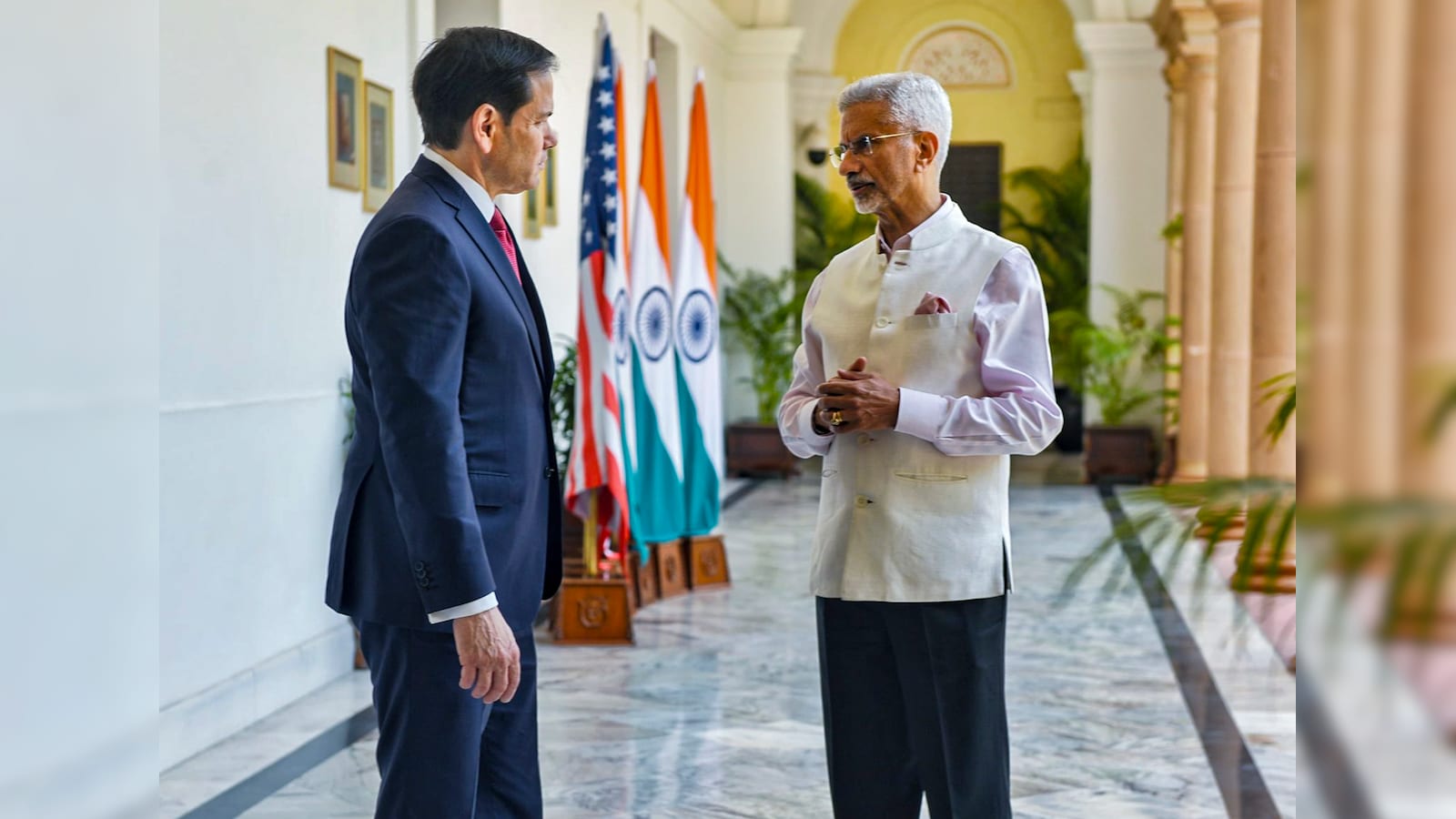
Senator Marco Rubio has acknowledged that India's interests in US immigration policy may face 'difficulties' under a potential future administration led by Donald Trump. While reassuring that the United States remains a globally welcoming nation for immigrants, Rubio's comments suggest an awareness of potential policy shifts that could impact countries like India, which send a significant number of skilled workers and immigrants to the US. The statement comes amidst ongoing speculation about the direction of US immigration reform and its effects on bilateral relations and international talent flows.
Key Facts
-
US Official Responding Senator Marco Rubio
-
Concerned Nation India
-
Policy Area US Immigration
-
Context of Policy Changes Potential future Trump administration
-
Rubio's Acknowledgment Potential for 'difficulties' or 'bumps'
-
Rubio's Reassurance United States is a welcoming country for immigration
Impact
For India, potential changes to US immigration policies, particularly those related to skilled worker visas like the H-1B, could have significant economic and social repercussions. A more restrictive environment might lead to a slowdown in highly skilled professionals migrating to the US, potentially impacting India's IT and tech sectors that rely on access to the American market and talent pipeline. This could also influence remittances, educational aspirations for students, and family-based immigration patterns, creating uncertainty for many Indian families with ties to the US. Diplomatic efforts would likely intensify to advocate for policies that consider India's specific interests and contributions to the US economy. Conversely, for the United States, tightened immigration rules could lead to challenges in sectors heavily reliant on foreign talent, such as technology, healthcare, and scientific research. While aiming to prioritize domestic workers, such policies risk hindering innovation, creating labor shortages in critical areas, and potentially making the US a less attractive destination for global talent. The perception of the US as an open and diverse society could also be affected, impacting its soft power and international standing. Businesses operating in both countries would need to adapt quickly to new regulatory frameworks, potentially relocating operations or re-evaluating workforce strategies.
Key Insights
-
1
Geopolitical Dynamics
The statement highlights how US domestic policy, specifically immigration, directly influences diplomatic relations and economic stability with key strategic partners like India.
-
2
Economic Interdependence
It underscores the deep economic ties between the US and India, particularly in technology and skilled labor, where policy changes can have immediate and far-reaching consequences.
-
3
Political Balancing Act
Rubio's acknowledgement of 'difficulties' while asserting US hospitality reflects a complex political maneuver, aiming to address domestic conservative sentiments regarding immigration while also reassuring international allies and acknowledging the value of immigration.
Opportunities
Potential policy shifts could create opportunities for businesses in both the US and India to innovate and diversify. For Indian companies, there's an opportunity to strengthen domestic talent retention strategies, invest more in local skilling programs, and explore alternative international markets for their skilled workforce. This could foster the growth of India's own tech ecosystem and reduce reliance on single-country immigration pathways. In the US, any move towards prioritizing domestic labor could spur investment in advanced automation, AI, and reskilling programs for the existing workforce. Consulting firms specializing in immigration law and international talent management would likely see increased demand for navigating complex new regulations. Furthermore, countries competing with the US for global talent might find opportunities to attract skilled immigrants and investments looking for more stable and predictable immigration policies.
Risks & Challenges
One significant risk is the potential for strained diplomatic relations between the US and India. Immigration policy is a sensitive issue, and restrictive changes could be perceived as detrimental to a key strategic partnership, especially given India's significant contributions to the US economy through its diaspora. This could lead to a cooling of relations on other fronts, including trade, defense, and geopolitical cooperation, undermining broader strategic objectives. Economically, both nations face risks. India could experience a 'brain drain' if skilled professionals find the US less accessible and choose other destinations, or a 'brain gain' if professionals return due to policy changes, but without sufficient domestic absorption capacity. For the US, an overly restrictive approach could lead to a decline in innovation, a reduction in the flow of capital and entrepreneurship that immigrants often bring, and a loss of competitiveness in global markets, particularly in high-tech and specialized industries where foreign talent plays a crucial role.
Related Articles