US and Iran Reach Preliminary Accord on Hormuz Reopening
NewsHub
May 24, 2026
1 min read
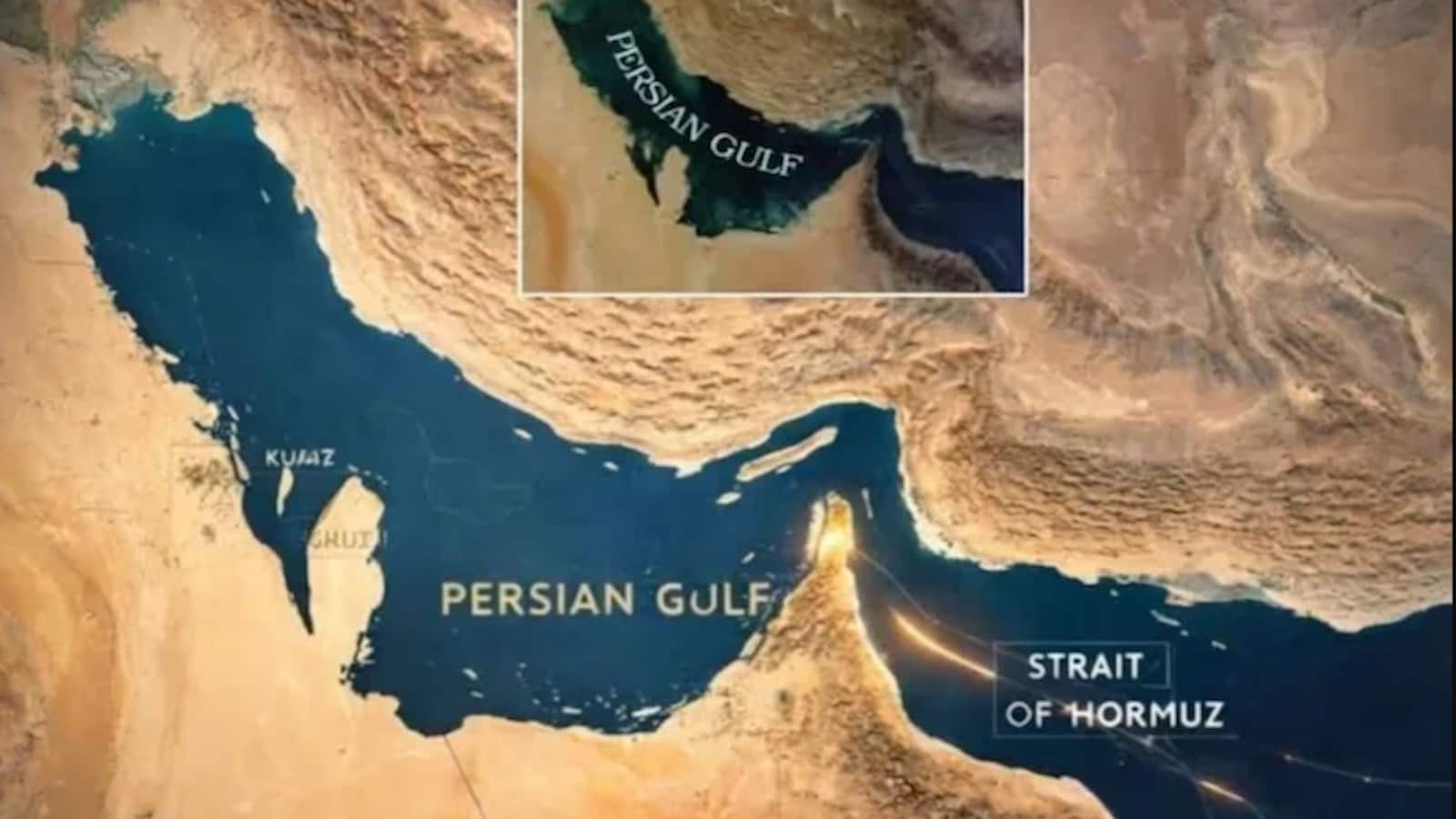
A potential deal between the US and Iran could lead to the reopening of the Hormuz Strait, with agreements on nuclear material disposal. However, final approval from key leaders is still pending, leaving the outcome uncertain. The accord may have significant implications for global trade and energy markets.
Key Facts
-
Countries Involved US and Iran
-
Proposed Action Reopening of the Hormuz Strait
-
Nuclear Material Disposal of highly enriched uranium
-
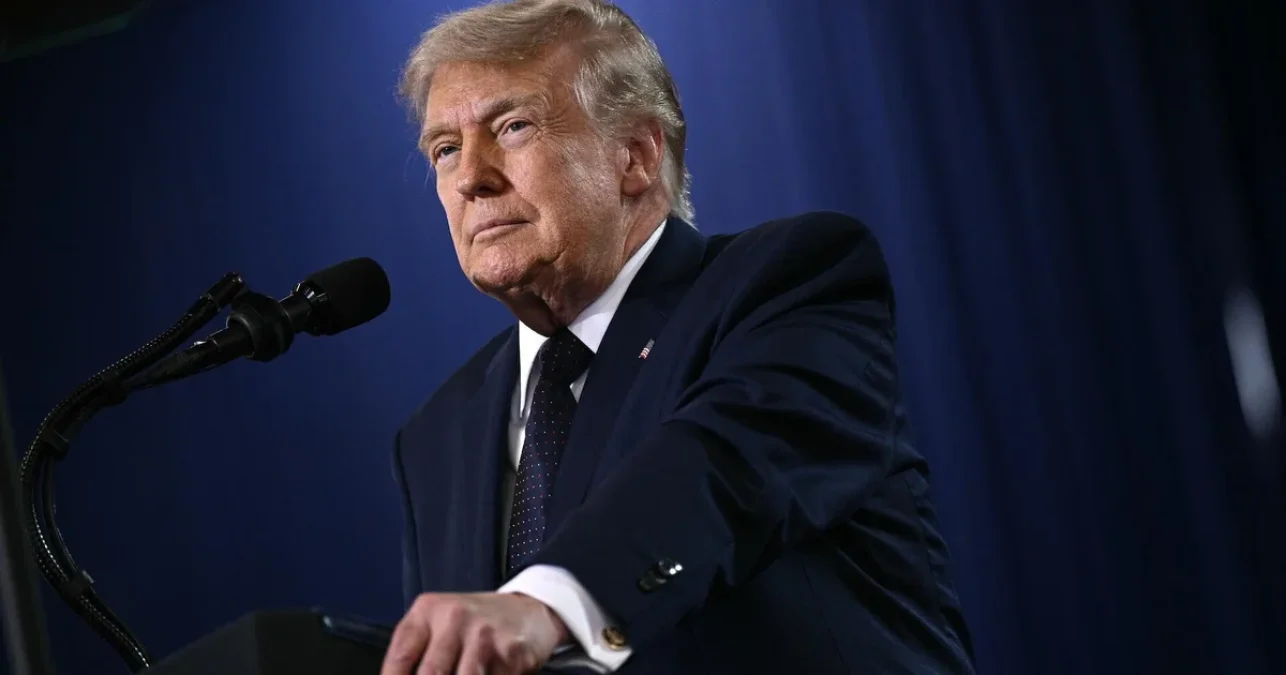
Pending Approval From Donald Trump and Iran's supreme leader
Impact
The potential reopening of the Hormuz Strait could have far-reaching consequences for global trade, energy markets, and international relations. A stable and secure shipping route through the strait would likely boost economic activity and reduce tensions in the region. However, the lack of final approval from key leaders leaves the situation uncertain. The accord may also impact the balance of power in the Middle East, with potential implications for other countries in the region.The reopening of the Hormuz Strait would likely have a significant impact on the global energy market, with potential effects on oil prices and trade flows. The strait is a critical shipping route for oil and other commodities, and any disruption to traffic through the strait can have significant economic consequences. A stable and secure shipping route would likely reduce the risk of supply chain disruptions and promote economic growth.The potential deal between the US and Iran may also have implications for international relations, particularly in the Middle East. The accord could potentially reduce tensions between the US and Iran, and promote greater cooperation and stability in the region. However, the lack of final approval from key leaders leaves the situation uncertain, and the potential for further conflict or instability remains.
Key Insights
-
1
Geopolitical Implications
The potential deal could reduce tensions between the US and Iran, promoting greater cooperation and stability in the Middle East
-
2
Economic Consequences
A stable and secure shipping route through the Hormuz Strait would likely boost economic activity and reduce the risk of supply chain disruptions
-
3
Energy Market Impact
The accord may have significant implications for the global energy market, with potential effects on oil prices and trade flows
Opportunities
The potential deal between the US and Iran could create new business opportunities, particularly in the energy and shipping sectors. A stable and secure shipping route through the Hormuz Strait would likely promote economic growth and reduce the risk of supply chain disruptions. Companies involved in the energy and shipping sectors may be well-positioned to take advantage of these opportunities, particularly if they have existing operations or investments in the region.The potential deal could also create opportunities for companies involved in nuclear energy and waste management. The disposal of highly enriched uranium is a complex and challenging process, and companies with expertise in this area may be well-positioned to provide services and support to the US and Iran as they implement the accord.
Risks & Challenges
The lack of final approval from key leaders leaves the situation uncertain, and the potential for further conflict or instability remains. The US and Iran have a complex and often contentious relationship, and there are many potential risks and challenges associated with the proposed deal. One of the main risks is that the deal may not be approved by key leaders, which could lead to further tensions and conflict in the region.Another risk is that the deal may not be implemented effectively, which could lead to further instability and conflict in the region. The disposal of highly enriched uranium is a complex and challenging process, and there are many potential risks and challenges associated with this process. Companies and investors will need to carefully consider these risks and challenges as they evaluate potential opportunities and investments in the region.
Source url: https://www.ndtvprofit.com/world/us-iran-reach-deal-in-principle-to-reopen-strait-of-hormuz-report-11541770
Related Articles