Rubio Pursues Vatican-Trump Reconciliation Following Recent Pontiff-Presidential Friction
NewsHub
May 06, 2026
1 min read
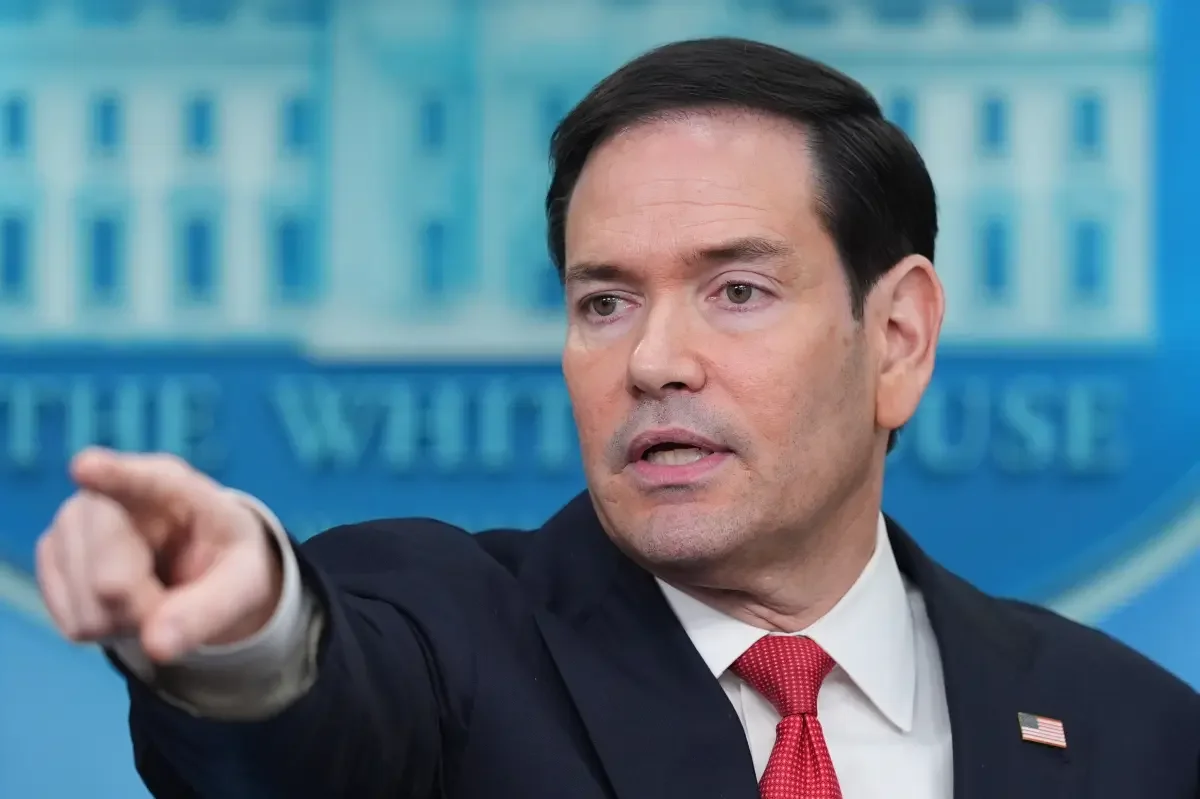
Senator Marco Rubio is reportedly positioned to mediate a significant diplomatic challenge: bridging the divide between the Vatican and former President Donald Trump. This initiative follows a recent, highly public disagreement between Trump and Pope Leo, which has introduced considerable tension into U.S.-Vatican relations. Rubio, a prominent Catholic politician, is seen as a potential peacemaker capable of leveraging his background and political standing to facilitate dialogue and mend relations. Success in this endeavor could significantly bolster diplomatic ties and influence domestic and international perceptions of all parties involved, potentially calming religious and political sensitivities ignited by the dispute.
Key Facts
-
Date May 6, 2026
-
Key Figure for Mediation Senator Marco Rubio
-
Parties in Conflict Former U.S. President Donald Trump and Pope Leo
-
Nature of Conflict Recent 'nasty clash' leading to strained relations
-
Rubio's Role Potential peace broker and diplomatic facilitator
Impact
Should Senator Rubio successfully broker a reconciliation, it could significantly strengthen U.S.-Vatican diplomatic ties, which are crucial for addressing global challenges from humanitarian aid to religious freedom. This high-profile diplomatic success would also enhance Rubio's standing on the international stage, potentially positioning him as a key figure in future U.S. foreign policy initiatives and bolstering his appeal among Catholic voters domestically. Conversely, the process itself could have a profound impact on religious communities, particularly within the American Catholic Church. A successful resolution might heal divisions and promote unity, reinforcing the Vatican's moral authority while demonstrating a commitment to interfaith and international harmony. Failure, however, risks exacerbating existing tensions, potentially creating deeper rifts between political and religious factions and undermining the Vatican's attempts to maintain its global moral influence free from political entanglement.
Key Insights
-
1
Diplomatic Strategy
Rubio's approach will likely involve navigating the complex interplay between personal grievances, theological principles, and geopolitical interests, requiring astute negotiation and an understanding of both Vatican protocol and U.S. political dynamics.
-
2
Vatican's Stance
The Holy See typically prioritizes its universal moral mission and diplomatic neutrality. Its engagement in this reconciliation effort would signal a desire to mitigate any perception of partisanship while upholding its principles, potentially seeking a resolution that reaffirms spiritual leadership over political disputes.
-
3
U.S. Political Dynamics
The involvement of a former President like Donald Trump, known for his direct communication style, and a prominent Senator like Rubio highlights the enduring influence of individual personalities on U.S. foreign relations and the intricate links between domestic politics and international diplomacy.
-
4
Public Perception
The outcome will be closely watched by global audiences. A positive resolution could be seen as a triumph of diplomacy and faith, whereas continued friction or a failed mediation could reflect negatively on the involved parties' capacity for constructive engagement.
Opportunities
The pursuit of peace between such influential figures presents opportunities for academic institutions and non-governmental organizations to foster new programs in interfaith dialogue, conflict resolution, and comparative religious studies. This could lead to increased funding for research, conferences, and educational exchanges aimed at understanding and bridging cultural and theological divides. From a technological standpoint, there's a potential for new digital platforms designed to facilitate global diplomatic conversations and public engagement on complex issues. Tools for secure, multilingual communication and virtual mediation could see increased demand, allowing for broader participation and transparency in resolving international disputes, potentially even offering new avenues for direct citizen engagement with diplomatic processes.
Risks & Challenges
The most significant risk is the potential failure of the mediation effort, which could further entrench the animosity between the involved parties and permanently damage U.S.-Vatican relations. A public failure would not only undermine Senator Rubio's diplomatic credibility but also risk escalating the 'clash' into a prolonged public dispute, diverting attention from more pressing global issues and potentially polarizing religious communities further. Another substantial risk lies in the perception of the mediation itself. If the effort is viewed as merely a political maneuver to enhance Rubio's standing or as an attempt to leverage religious authority for political gain, it could backfire. This could alienate segments of the public, both secular and religious, and detract from the genuine need for diplomatic reconciliation, potentially leading to accusations of insincerity or opportunism.
Related Articles