
Romanian Man Sentenced for Swatting, Bomb Threats Targeting US Officials
NewsHub
Apr 30, 2026
1 min read
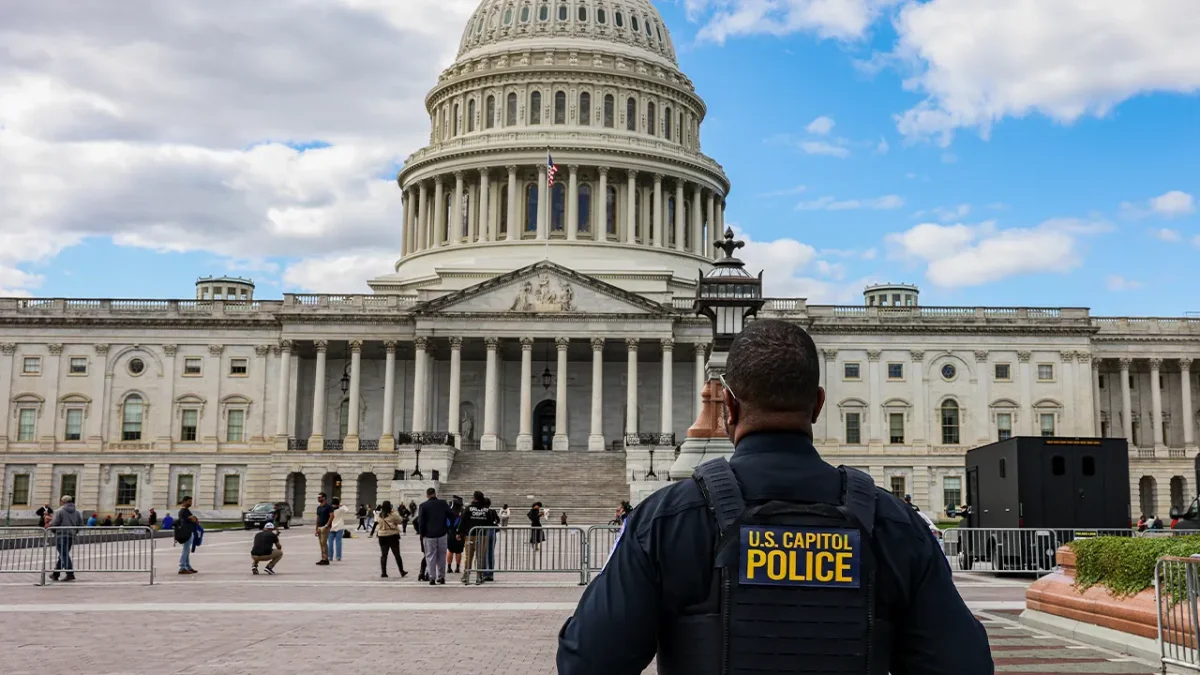
A 27-year-old Romanian national, Thomasz Szabo, has been sentenced to four years in a U.S. prison for his involvement in orchestrating malicious swatting incidents and bomb threats. The perpetrators targeted high-profile American government figures, including members of Congress and federal judges. This case highlights the severe legal consequences for individuals engaging in dangerous and disruptive hoaxes, especially those aimed at public officials, and underscores the growing international cooperation required to prosecute cyber-enabled crimes that transcend national borders and threaten public safety and democratic institutions.
Key Facts
-
Perpetrator Thomasz Szabo
-
Nationality Romanian
-
Age 27
-
Crimes Committed Swatting calls, bomb threats
-
Targets US officials, including members of Congress and judges
-
Sentence Received Four years in prison
-
Location of Prosecution United States
Impact
The sentencing of Thomasz Szabo sends a clear message regarding the seriousness with which U.S. authorities treat malicious hoaxes like swatting and bomb threats, particularly when directed at public officials. Victims, including members of Congress and judges, often endure significant psychological distress and disruption to their personal and professional lives, leading to heightened security concerns for themselves and their families. Furthermore, these incidents trigger a substantial deployment of emergency services, diverting critical resources from genuine emergencies and incurring significant costs for local municipalities and federal agencies. Beyond the immediate impact on victims and emergency responders, such international cybercrimes pose a broader challenge to national security and public trust. The ability of foreign nationals to disrupt U.S. government operations and threaten its officials, even through hoaxes, underscores vulnerabilities in digital security and intelligence sharing. It also highlights the need for robust international collaboration to track, apprehend, and prosecute individuals who leverage digital anonymity to perpetrate real-world harm, thereby upholding the integrity of public service and deterring future attacks.
Key Insights
-
1
Cybercrime Trends
This case exemplifies the global nature of modern cybercrime, where individuals can remotely orchestrate disruptive and dangerous real-world events. It underscores a trend of using digital communication for highly personalized and targeted harassment against public figures.
-
2
Law Enforcement Challenges & Successes
The prosecution of Szabo demonstrates the complexity of international investigations, requiring significant cross-border collaboration between law enforcement agencies. It also showcases the capacity of authorities to identify and bring to justice perpetrators operating from outside national borders.
-
3
Severity of Swatting
The four-year prison sentence reinforces the legal system's view of swatting not as a harmless prank, but as a serious felony with significant potential for harm and a direct threat to public safety and order.
-
4
Vulnerability of Public Officials
The targeting of members of Congress and judges highlights the specific vulnerability of high-profile individuals to such malicious acts, raising questions about current security protocols and information sharing regarding potential threats.
Opportunities
The successful prosecution of an international cybercriminal like Thomasz Szabo presents several opportunities for technological advancement and security enhancement. There is a clear need for improved digital forensic tools and AI-driven analytics capable of tracing the origins of malicious calls and online threats more quickly and accurately, regardless of their international source. This could spur innovation in real-time threat detection and attribution platforms for law enforcement agencies. Furthermore, businesses specializing in cybersecurity and secure communication technologies can find opportunities in developing advanced protection services specifically tailored for high-profile individuals and public officials. This includes encrypted communication channels, threat intelligence monitoring, and protocols for verifying the authenticity of emergency calls before deploying critical resources. Training programs for emergency services to better discern swatting incidents from genuine threats, potentially utilizing new communication authentication technologies, also represents a growing market.
Risks & Challenges
Despite this successful prosecution, the prevalence of swatting and bomb threats against public officials remains a significant risk. The ease with which such hoaxes can be initiated, often leveraging anonymizing technologies and the internet, continues to pose challenges for prevention and early detection. The primary risk lies in the potential for actual harm, as emergency responders, believing they are entering a dangerous situation, may react with force, jeopardizing the lives of innocent individuals in the targeted locations. Additionally, the continued diversion of emergency services to false alarms places a strain on resources, potentially delaying responses to actual emergencies. Looking ahead, there is a risk of copycat incidents, where individuals may be emboldened to replicate such attacks despite the severe penalties. The international nature of these crimes also presents ongoing diplomatic and legal complexities, making consistent prosecution difficult across varying jurisdictions. A sustained pattern of such threats could erode public trust in the security of public institutions and figures, fostering an environment of fear and uncertainty, and potentially deterring individuals from public service roles due to perceived personal risks.
Related Articles