NCAA Initiates Investigation into Ole Miss Football Following Dabo Swinney's Tampering Claims
NewsHub
May 23, 2026
1 min read
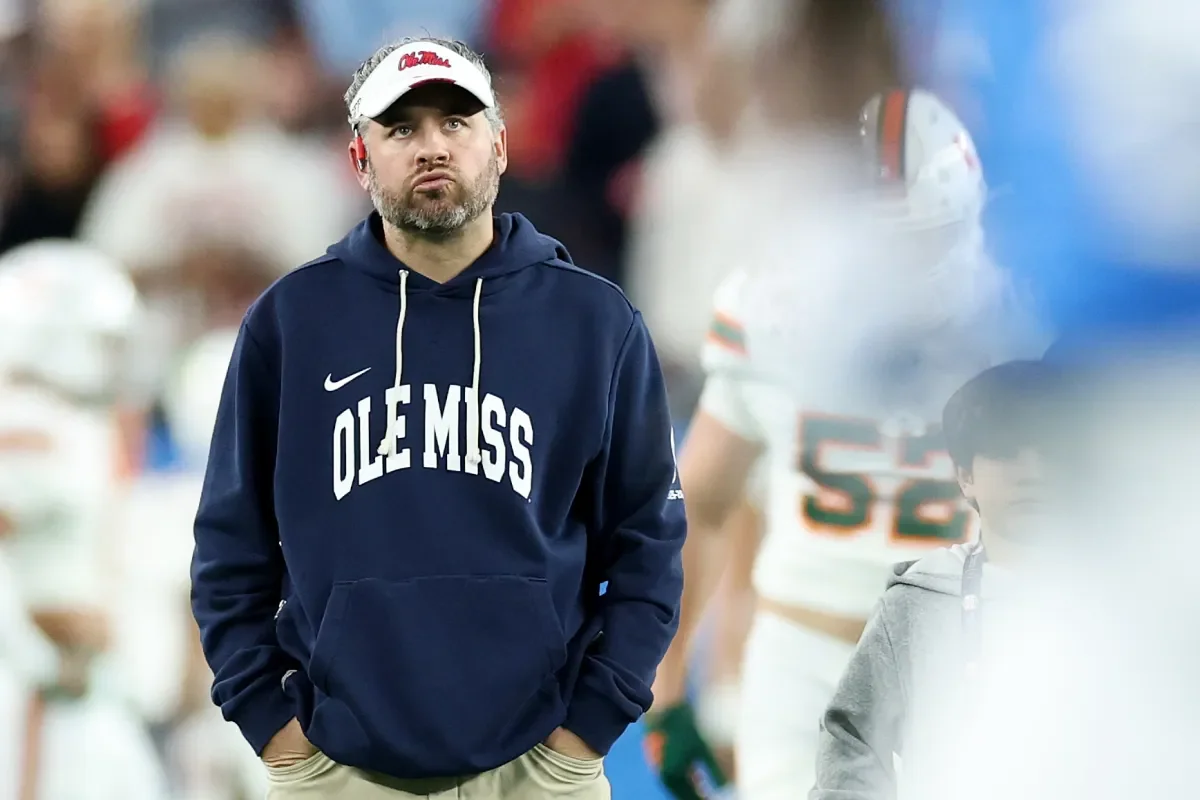
The National Collegiate Athletic Association (NCAA) has launched an investigation into the University of Mississippi (Ole Miss) football program, specifically targeting defensive coordinator Pete Golding. This probe follows accusations of player tampering made by Clemson University Head Coach Dabo Swinney. The inquiry underscores the ongoing challenges and ethical debates surrounding player recruitment in the era of the transfer portal and Name, Image, and Likeness (NIL) opportunities. The NCAA's action signals a focus on enforcing collegiate athletic rules amidst a rapidly evolving landscape, with the goal of determining the validity of Swinney's claims and any potential violations by Ole Miss.
Key Facts
-
Investigating Body NCAA (National Collegiate Athletic Association)
-
Subject of Investigation Ole Miss football program and Head Coach Pete Golding
-
Triggering Event Tampering allegations made by Clemson Head Coach Dabo Swinney
-
Nature of Allegations Player tampering
-
Current Status Investigation formally opened
Impact
The commencement of an NCAA investigation could carry substantial repercussions for the Ole Miss football program. Beyond potential institutional sanctions such as scholarship reductions, postseason bans, or financial penalties, the negative spotlight can severely impede recruiting efforts and destabilize the team's morale. Such a cloud of uncertainty often deters prospective student-athletes and can even influence current players' decisions regarding their futures with the program. For Head Coach Pete Golding, the outcome of this probe directly threatens his professional standing and could have significant implications for his coaching career. Furthermore, this particular case serves as a litmus test for the NCAA's commitment to regulating college athletics in the modern era, particularly concerning the transfer portal and NIL. A decisive and robust enforcement action could signal a renewed effort to maintain integrity and prevent unethical practices, potentially setting a precedent for similar situations moving forward. Conversely, if the investigation concludes with minimal findings or lenient penalties, it risks further diminishing the NCAA's perceived authority and effectiveness in upholding its own regulations within the complex and often contentious landscape of contemporary college sports.
Key Insights
-
1
NCAA Enforcement Posture
The swift initiation of this investigation suggests the NCAA is keen to demonstrate its regulatory relevance and commitment to policing perceived ethical breaches in an era marked by significant player movement and NIL complexities.
-
2
Transfer Portal Ethics
This incident highlights the persistent tension and potential for conflict embedded within current transfer rules, challenging the line between legitimate player interest and illicit tampering, a major concern for many coaches.
-
3
Coaching Accountability
By specifically naming Coach Pete Golding, the NCAA is signaling its willingness to pursue individual accountability for alleged infractions, placing increased scrutiny and pressure directly on coaching staff to ensure strict compliance.
Opportunities
The heightened scrutiny surrounding tampering and compliance within college athletics presents distinct opportunities for technology and service providers. There is a growing demand for advanced compliance software platforms that can assist athletic departments in meticulously tracking communications, managing player interactions within the transfer portal ethically, and ensuring adherence to the NCAA's intricate and evolving regulations. Additionally, specialized legal and consulting firms focused on collegiate sports law, particularly concerning NIL agreements, transfer rules, and navigating NCAA investigations, are poised for expansion as institutions and athletes seek expert guidance. Beyond direct compliance tools, there's potential for innovative platforms that foster transparent and legitimate connections between student-athletes and institutions without crossing into tampering territory. Data analytics and artificial intelligence could also be leveraged to identify and flag suspicious recruiting patterns, offering proactive insights to compliance officers. Furthermore, educational technology providers could develop comprehensive modules and certification programs for coaching staff and athletic administrators, emphasizing best practices in ethical recruiting and NCAA rule compliance.
Risks & Challenges
For Ole Miss, the most immediate risks involve severe institutional penalties, which could encompass substantial financial fines, scholarship reductions, and potentially multi-year postseason bans. Such sanctions would not only cripple the football program's competitive standing but also severely hinder its ability to attract top-tier recruits. Beyond direct penalties, the enduring negative publicity and reputational damage from an NCAA investigation can erode fan confidence, impact donor contributions, and create internal instability, potentially affecting both player and coaching staff retention. More broadly, this case underscores systemic risks within collegiate athletics, particularly the blurred lines created by the transfer portal and the often opaque nature of Name, Image, and Likeness (NIL) collectives. These factors make it increasingly challenging to differentiate between legitimate recruitment and illicit tampering. If the NCAA's handling of this investigation is perceived as inconsistent, overly punitive, or ineffectual, it risks further undermining the organization's authority and fostering a climate of distrust among institutions, potentially leading to an increase in similar accusations and a more chaotic recruiting environment across college sports.
Source url: https://www.newsweek.com/sports/ncaa/ole-miss-investigated-by-ncaa-after-dabo-swinney-accusations-11985793
Related Articles