
GLP-1 Drugs Linked to Auditory Alterations: Users Report 'Internal Voice' Changes
NewsHub
May 27, 2026
1 min read
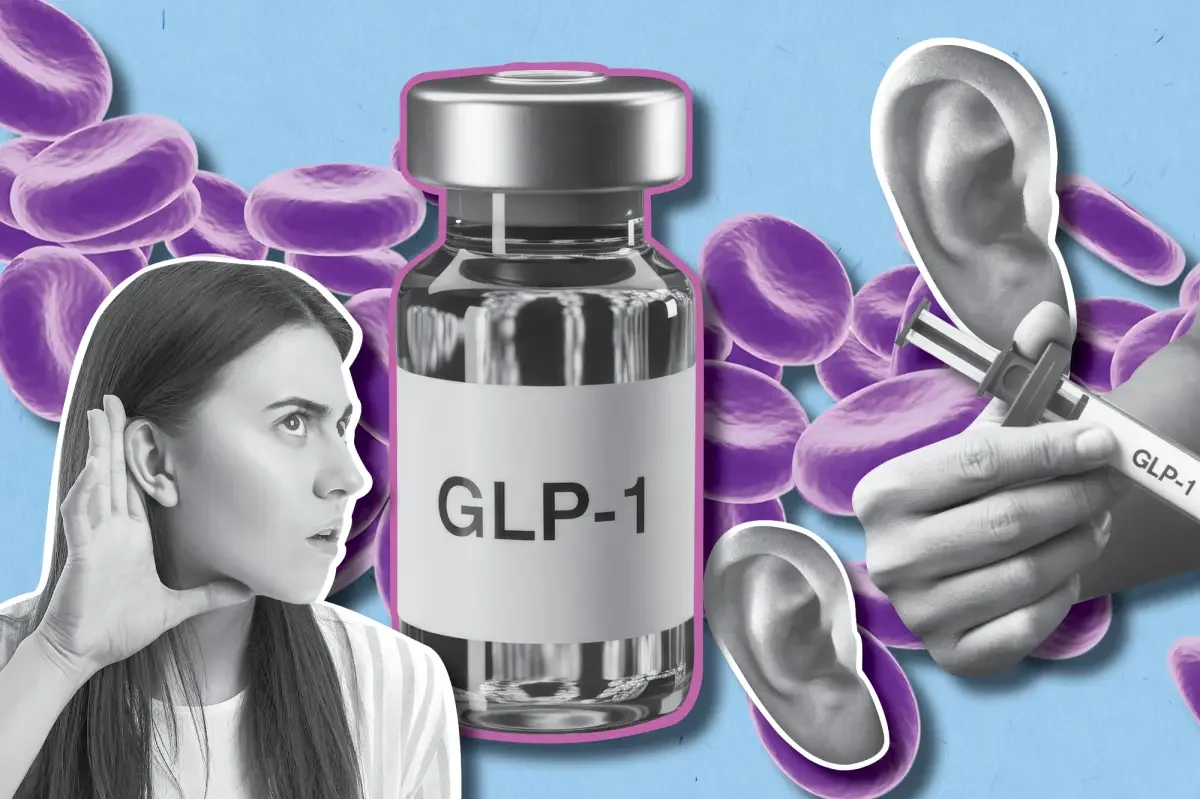
Reports are surfacing detailing an unusual side effect associated with popular GLP-1 weight loss medications. Users describe experiencing a distorted perception of their own voice, often likening it to an internal, amplified sound. This phenomenon, while not widely documented, is raising questions about the multifaceted impacts of these widely prescribed drugs. The anecdotal evidence suggests a potential, albeit peculiar, auditory alteration experienced by a subset of individuals undergoing treatment with these medications.
Key Facts
-
Medication Class GLP-1 agonists
-
Reported Side Effect Alteration in the perception of one's own voice
-
User Description Internal voice sounds amplified or distorted, akin to 'Darth Vader'
-
Prevalence Anecdotal, not yet widely documented
Impact
The emergence of this peculiar auditory side effect from GLP-1 drugs could have significant implications for patient experience and adherence to treatment. While weight loss and metabolic benefits are the primary goals, any unexpected physiological changes, even those perceived as minor or strange, can lead to patient anxiety and doubt. Healthcare providers will need to be prepared to address these novel concerns, ensuring patients feel heard and understood. Furthermore, this reported alteration in self-perception could extend beyond simple vocal distortion. The way individuals hear themselves contributes to their sense of self and communication. Experiencing a consistently altered internal auditory landscape might, for some, contribute to a sense of unease or detachment, potentially impacting social interactions or even internal monologues.
Key Insights
-
1
Physiological Mechanism
The exact biological pathway for this auditory change remains unclear, prompting further investigation into how GLP-1 agonists might interact with cranial nerves or the inner ear.
-
2
Patient Communication
This highlights the importance of robust patient reporting mechanisms for even seemingly minor or unusual side effects, as these can provide crucial early indicators of broader physiological impacts.
-
3
Research Focus
The medical community will likely prioritize understanding the prevalence and underlying causes of this auditory phenomenon to provide accurate guidance and reassurance to patients.
Opportunities
This discovery opens avenues for pharmaceutical companies to conduct more comprehensive audiological assessments during clinical trials for GLP-1 drugs and their successors. Understanding this side effect could also lead to the development of diagnostic tools or therapeutic interventions for those affected. Additionally, it presents an opportunity for audiologists and otolaryngologists to become more attuned to potential medication-induced auditory changes, expanding their diagnostic scope. For the broader healthcare technology sector, there might be an opportunity to develop wearable or digital health solutions that can monitor subjective auditory experiences or physiological markers related to hearing, providing objective data to complement patient reports. This could aid in the early detection and management of such side effects.
Risks & Challenges
The primary risk associated with this emerging side effect is patient apprehension and potential non-compliance with otherwise beneficial GLP-1 therapies. If individuals experience distressing or confusing changes in how they perceive their own voice, they may discontinue medication, foregoing its intended health benefits. This could be particularly problematic for those managing serious metabolic conditions like type 2 diabetes or obesity. Another significant risk lies in the potential for misdiagnosis or undue concern. Without a clear understanding of the mechanism and prevalence, some patients might attribute these auditory changes to more serious neurological or psychological conditions, leading to unnecessary medical investigations and anxiety. Healthcare providers must be equipped with accurate information to differentiate between this specific side effect and other potential health issues.
Source url: https://nypost.com/2026/05/27/health/glp-1s-are-fueling-a-rise-of-a-bizarre-rare-ear-disorder/