
Fuel Costs Climb Again: Gasoline and Diesel See Latest Price Jump
NewsHub
May 23, 2026
1 min read
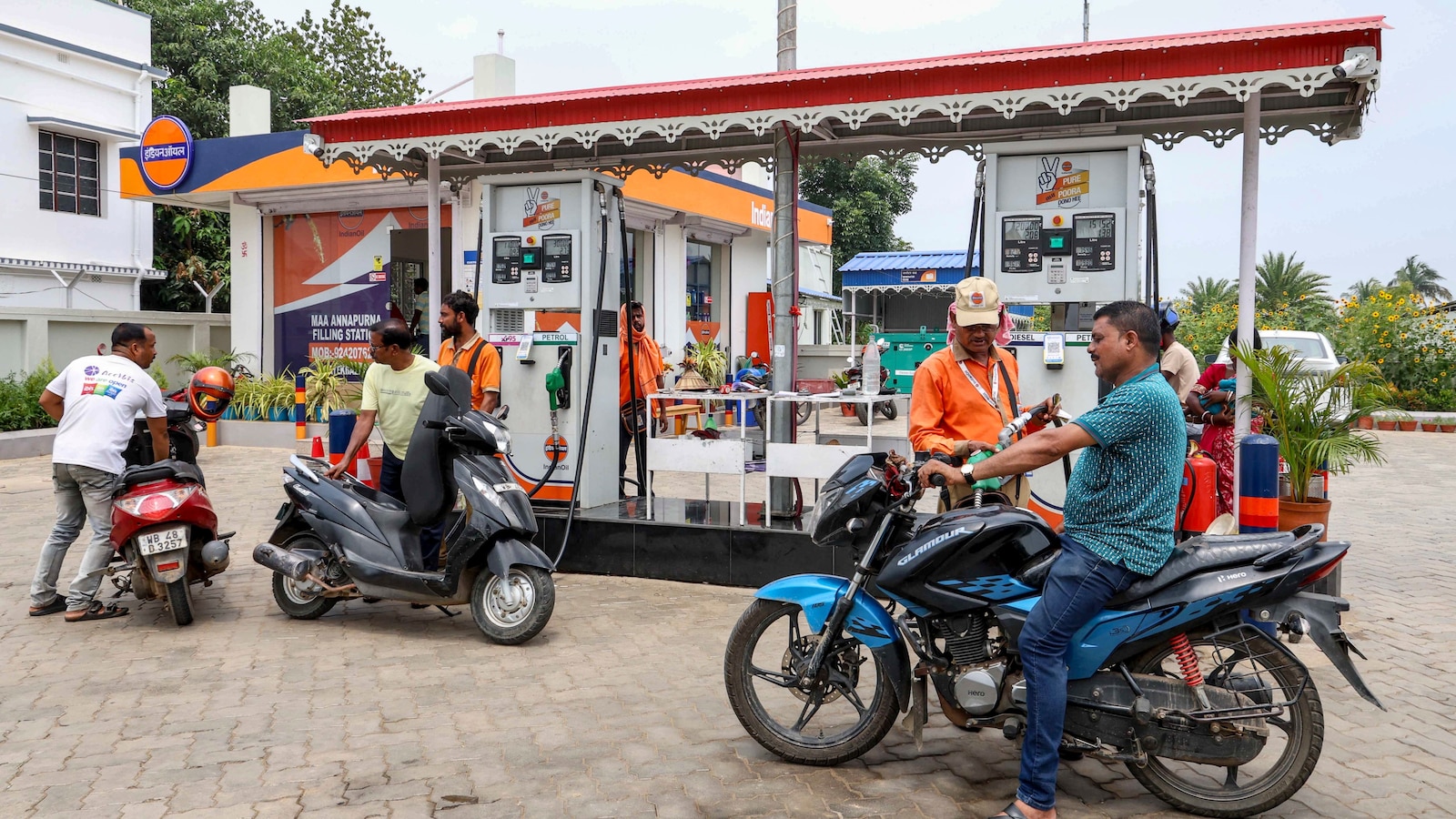
Consumers are facing another blow at the pump as the cost of both gasoline and diesel has been raised by approximately 87 to 91 paise per liter. This marks the third such adjustment in less than a two-week period, reflecting persistent upward pressure on global energy markets. The ongoing geopolitical tensions in the Middle East are cited as a primary driver behind these escalating fuel expenses. This recurring price hike continues to strain household budgets and business operating costs.
Key Facts
-
Gasoline Price Increase (Delhi) 87 paise per liter
-
New Gasoline Price (Delhi) ₹99.51 per liter
-
Frequency of Hikes Third increase in under 10 days
-
Primary Cause Rising energy costs linked to Middle East conflict
Impact
The repeated increases in fuel prices are likely to have a ripple effect across the economy. For households, the higher cost of filling up vehicles directly translates to reduced disposable income, potentially impacting spending on other goods and services. Businesses, particularly those reliant on transportation and logistics, will experience increased operational expenditures. This could lead to higher prices for goods and services as companies attempt to pass on these added costs to consumers, potentially fueling broader inflationary pressures.
Key Insights
-
1
Geopolitical Volatility
The persistent price hikes underscore the sensitivity of global energy markets to geopolitical instability, with the Middle East conflict acting as a significant disruptor.
-
2
Inflationary Concerns
The repeated surge in fuel costs contributes to general inflation, posing a challenge for economic stability and consumer purchasing power.
-
3
Energy Market Dynamics
These events highlight the ongoing challenges in balancing supply and demand for fossil fuels, especially in the face of supply chain vulnerabilities and international crises.
Opportunities
The sustained rise in fuel prices could accelerate the adoption of more fuel-efficient vehicles and alternative transportation solutions. This presents an opportunity for the automotive industry to innovate and promote electric vehicles, hybrids, and other low-emission technologies. Furthermore, it may spur investment in and development of renewable energy sources and infrastructure, aiming to create greater energy independence and price stability in the long term.
Risks & Challenges
The recurring fuel price hikes pose a significant risk of exacerbating inflation, potentially leading to a cost-of-living crisis for many individuals and families. Businesses that cannot easily absorb these increased costs may face reduced profitability or even operational challenges. A sustained period of high energy prices could also dampen consumer confidence and slow down economic growth, as spending priorities shift towards essential expenses like fuel.
Related Articles