Nvidia Taps Intel for Key Components in Future "Feynman" Graphics Processors
NewsHub
Apr 25, 2026
1 min read
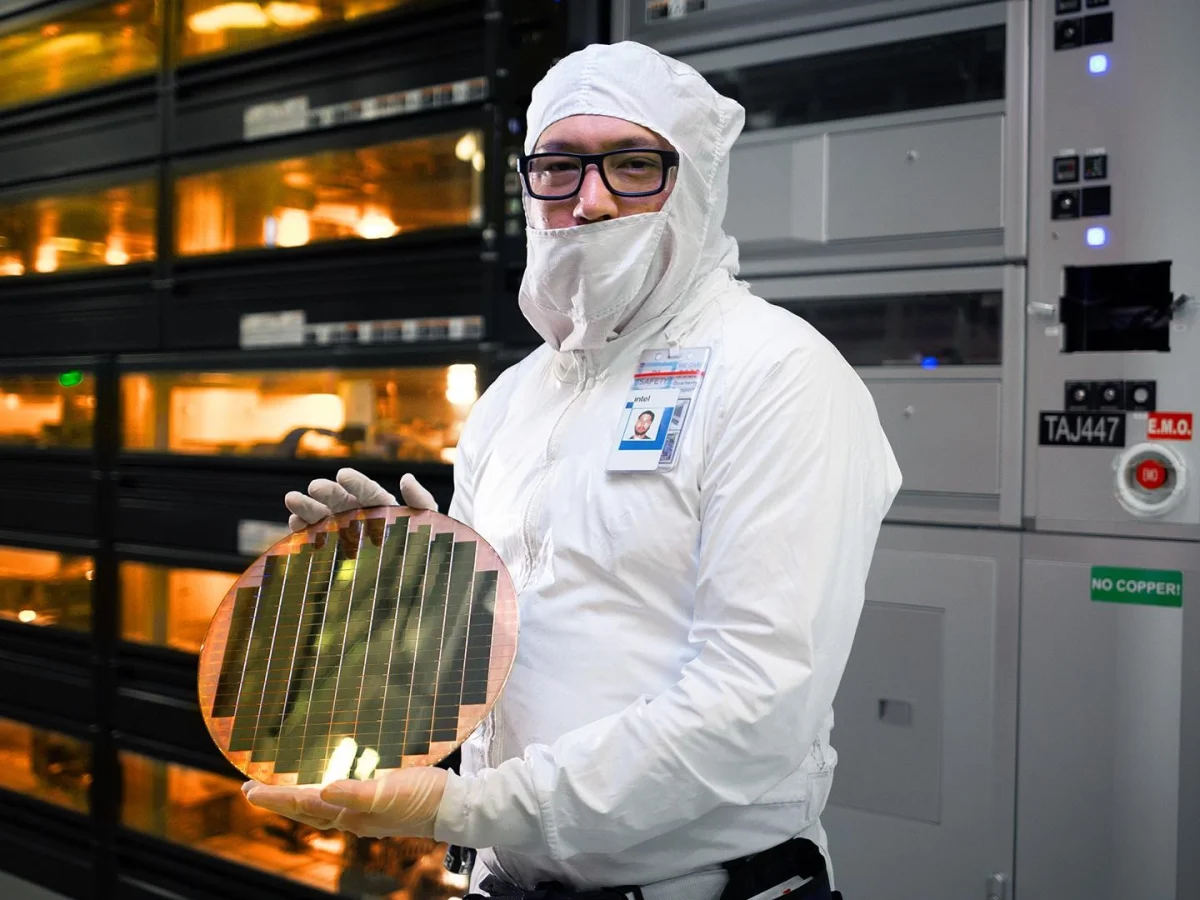
Nvidia is set to diversify its manufacturing partnerships for its upcoming "Feynman" series of graphics processing units, slated for a 2028 release. According to industry sources, the chip giant will leverage Intel Foundry Services for the production of certain components within these advanced GPUs. Furthermore, Nvidia intends to integrate Intel's advanced EMIB (Embedded Multi-die Interconnect Bridge) packaging technology, working in tandem with existing solutions from TSMC's CoWoS (Chip-on-Wafer-on-Substrate) advanced packaging platform. This strategic move signals a notable shift in supply chain reliance for high-performance computing hardware.
Key Facts
-
Future GPU Series Nvidia's "Feynman" GPUs, scheduled for 2028
-
Manufacturing Partner Intel Foundry Services for select components
-
Packaging Technology 1 Intel's EMIB
-
Packaging Technology 2 TSMC's CoWoS
Impact
This development signifies a significant strategic pivot for Nvidia, traditionally heavily reliant on TSMC for its most advanced chip manufacturing. By engaging Intel Foundry, Nvidia is not only hedging its bets against potential supply chain disruptions but also signaling confidence in Intel's evolving manufacturing capabilities. The integration of Intel's EMIB packaging alongside TSMC's CoWoS suggests a nuanced approach to achieving optimal performance and cost-effectiveness for its next-generation architectures. This diversification could lead to more resilient production lines for the high-demand graphics processing market. For the semiconductor industry, this collaboration underscores the increasing complexity and interdependence of the global chip manufacturing ecosystem. It highlights the continued efforts by foundries like Intel to win business from major chip designers, even in highly competitive segments like advanced GPU production. The success of this partnership could set a precedent for future co-development and manufacturing arrangements, potentially reshaping market dynamics and competitive landscapes.
Key Insights
-
1
Supply Chain Diversification
Nvidia actively mitigating risks by broadening manufacturing base.
-
2
Foundry Competition
Intel Foundry Services gaining traction with major clients like Nvidia.
-
3
Advanced Packaging Evolution
Hybrid approaches utilizing multiple advanced packaging technologies for performance gains.
Opportunities
This collaboration presents a significant opportunity for Intel Foundry Services to showcase its advanced manufacturing and packaging capabilities on a high-profile project. It could pave the way for further collaborations with Nvidia and other leading chip designers, bolstering Intel's position in the contract manufacturing space. For Nvidia, this offers greater flexibility and potential for innovation in chip design and integration, allowing them to harness the strengths of different manufacturing partners to achieve cutting-edge performance.
Risks & Challenges
One primary risk for Nvidia lies in the potential for integration challenges and performance discrepancies when combining components manufactured by different foundries and utilizing disparate packaging technologies. Ensuring seamless interoperability and maintaining the high-performance standards expected from Nvidia's GPUs will be critical. Any unforeseen issues in production yields, quality control, or time-to-market from Intel Foundry could also impact Nvidia's launch timelines and product availability. From Intel's perspective, failing to meet Nvidia's stringent quality and performance requirements could damage its reputation and future prospects in securing similar high-value contracts. The reliance on a dual-vendor strategy for packaging also introduces a layer of complexity that requires meticulous coordination and management to avoid unintended bottlenecks or compatibility problems. The success of this venture hinges on robust collaboration and transparent communication between all parties involved.
Source url: https://www.notebookcheck.net/Nvidia-Feynman-GPUs-to-use-Intel-Foundry-for-some-components.1282858.0.html
Related Articles