
Measles Outbreak Traced to Idaho's Record Low Vaccination Coverage
NewsHub
Apr 13, 2026
1 min read
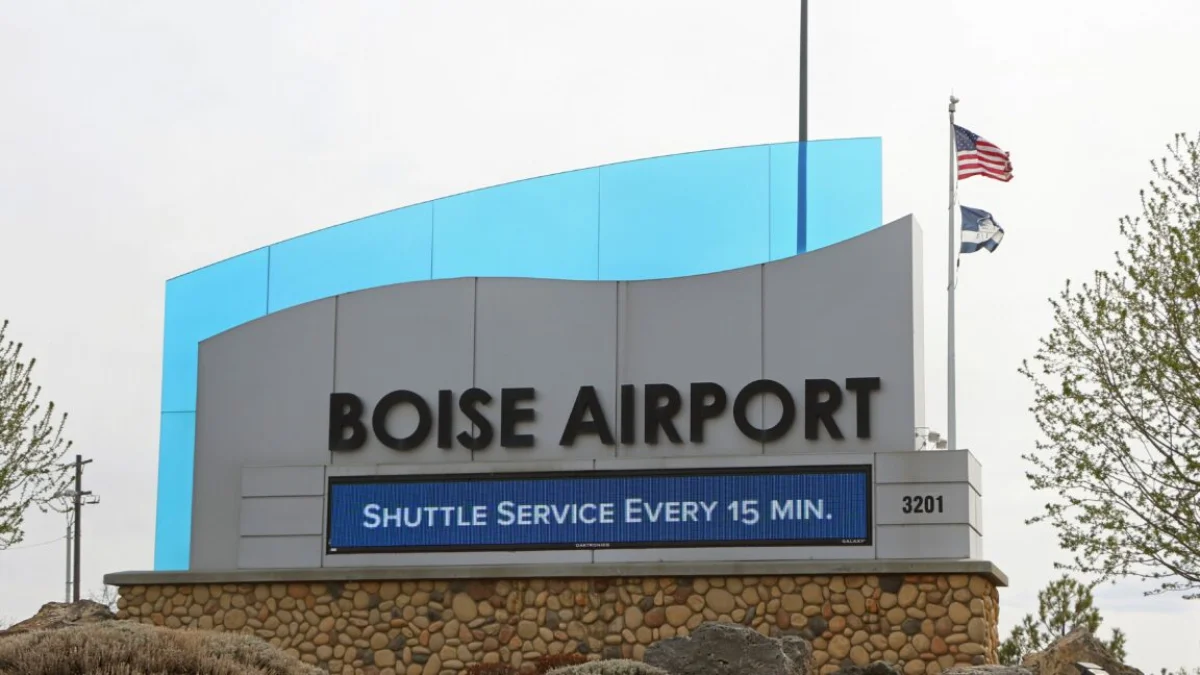
A recent measles case has been linked to Idaho, a state grappling with the nation's lowest childhood immunization rates for the disease. During the 2024-2025 academic year, a concerning 78.5% of kindergarteners in Idaho received the measles vaccine. This stark figure falls significantly below national recommendations and public health targets, creating a fertile ground for infectious disease transmission within school communities and beyond. Health officials are now working to contain the spread and understand the contributing factors to this alarming trend.
Key Facts
-
State with Lowest Vaccination Rate Idaho
-
Vaccination Rate for Kindergarteners (2024-2025) 78.5%
-
Disease of Concern Measles
-
Geographic Origin of Current Case Idaho
Impact
The low vaccination coverage in Idaho directly heightens the risk of measles outbreaks, posing a significant threat to public health, particularly for vulnerable populations like infants too young to be vaccinated and individuals with compromised immune systems. Schools and childcare facilities become high-risk environments for transmission. Beyond the immediate health crisis, outbreaks can strain healthcare resources, lead to school closures, and disrupt community life. The economic impact can also be substantial, encompassing healthcare costs, lost productivity, and travel advisories.
Key Insights
-
1
Vaccine Hesitancy as a Driver
The persistently low vaccination rates suggest a deep-seated issue with vaccine hesitancy or access challenges within Idaho, requiring targeted public health interventions.
-
2
Herd Immunity Threshold Under Threat
With rates far below the 95% needed for herd immunity, Idaho is particularly susceptible to imported cases sparking widespread transmission.
Opportunities
This situation presents a critical opportunity for public health organizations and healthcare providers to collaborate on innovative outreach and education campaigns tailored to Idaho's specific demographics and concerns. Leveraging community leaders, trusted healthcare professionals, and accessible digital platforms can help combat misinformation and rebuild confidence in vaccine safety and efficacy. Furthermore, exploring partnerships with educational institutions to integrate comprehensive vaccination education into school curricula could foster long-term behavioral change.
Risks & Challenges
The primary risk is the potential for widespread measles transmission, leading to a public health emergency. This could result in severe illness, complications, and even fatalities, particularly among unvaccinated children. The resurgence of measles also jeopardizes decades of progress in disease eradication efforts. Furthermore, continued low vaccination rates could lead to increased scrutiny from federal health agencies and potentially impact funding for state health programs, compounding existing challenges.
Related Articles