Hyperscalers Face Sustained High Memory Costs as GPU Efficiency Drives Premium Pricing, KIS Warns
NewsHub
Apr 30, 2026
1 min read
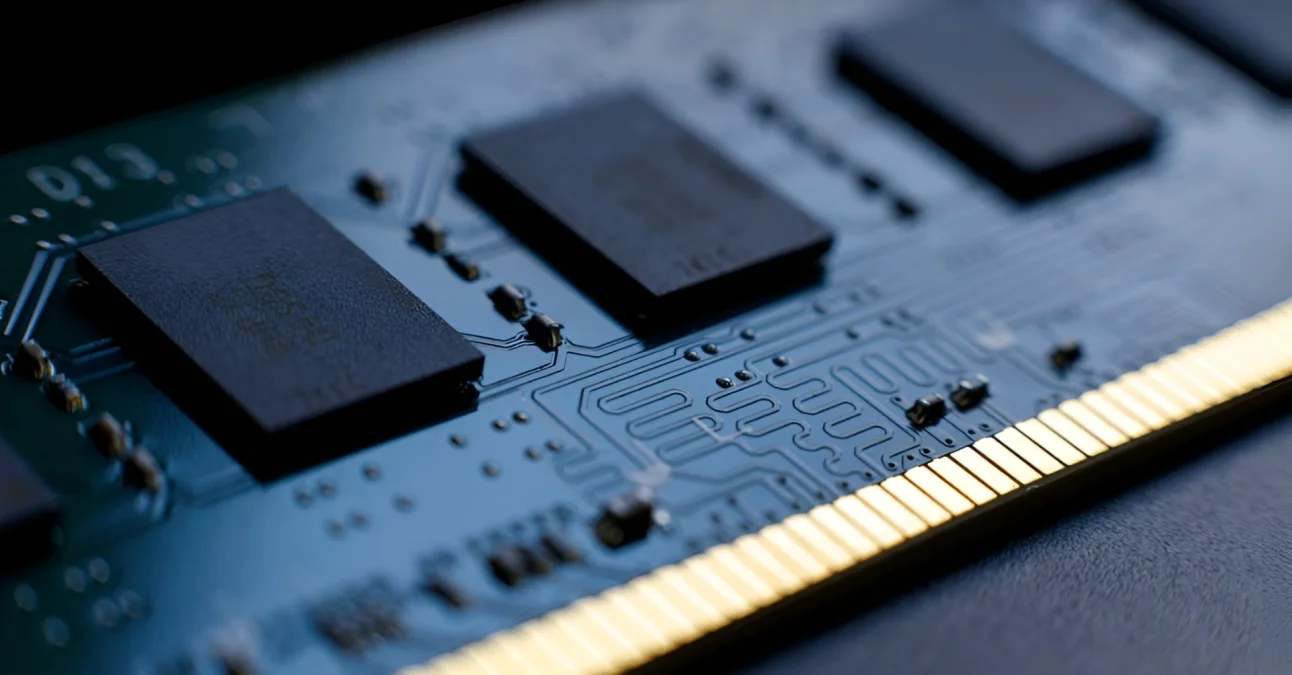
A recent analysis by a prominent Korean research firm indicates that despite an anticipated easing of the global memory chip shortage, pricing for advanced memory modules will likely remain elevated for major cloud providers and data centers. The firm, KIS, posits that significant efficiency advancements in GPU technology are fundamentally altering the memory market's economics. These gains are reportedly so substantial that hyperscalers can justify paying a premium, currently estimated at three times the historical annual average, making these higher costs a long-term fixture rather than a temporary spike. This outlook suggests a fundamental shift in memory market dynamics driven by AI and high-performance computing demands.
Key Facts
-
Current Memory Pricing Approximately 300% above historical annual averages.
-
Price Outlook Expected to remain high, irrespective of easing supply shortages.
-
Driving Factor Significant efficiency gains in GPU technology justifying premium prices.
-
Affected Industry Segment Hyperscale cloud providers and large data centers.
-
Market Duration Hyperscalers are projected to be locked into these higher prices long-term.
-
Source of Analysis A leading Korean research firm (KIS).
Impact
The sustained elevation of memory prices presents substantial financial implications for hyperscalers. These companies, which underpin vast segments of the digital economy through cloud computing, AI infrastructure, and data analytics, will see their operational expenditures rise significantly. This could lead to increased costs for their enterprise clients, potentially impacting the broader adoption and affordability of advanced cloud services and AI development. The competitive landscape among hyperscalers might also intensify, with those possessing greater capital or more efficient memory procurement strategies gaining an edge. Furthermore, this trend could influence the design and deployment strategies for future data centers. Hyperscalers might accelerate investment in vertical integration, developing their own custom memory solutions or optimizing existing architectures to maximize memory utilization. Innovation in memory-efficient algorithms and software could also become a higher priority to mitigate rising hardware costs. For memory manufacturers, this forecast signals a period of sustained high profitability, potentially fueling further investment in R&D for next-generation memory technologies tailored to AI and high-performance computing.
Key Insights
-
1
Market Restructuring
The memory market is fundamentally reshaping, moving beyond traditional supply-demand dynamics due to the intrinsic value derived from advanced GPU applications.
-
2
AI's Economic Influence
The insatiable demand and performance requirements of AI workloads are creating an inelastic demand for high-performance memory, allowing manufacturers to command premium pricing.
-
3
Strategic Lock-in
Hyperscalers are effectively 'locked in' due to their critical reliance on these components for their core business models, making price sensitivity secondary to performance and availability.
-
4
Profitability Shift
This trend solidifies a significant and enduring profit margin for memory producers, contrasting with historical cyclicality driven solely by manufacturing capacity.
-
5
Value Proposition Reassessment
The value proposition of memory is no longer just about storage capacity but increasingly about its synergistic performance with processing units, especially GPUs.
Opportunities
This sustained high-price environment creates significant opportunities for innovation in memory technology and related infrastructure. Companies developing novel memory architectures, such as CXL (Compute Express Link)-enabled memory pooling or advanced packaging technologies that improve density and efficiency, could see increased investment and adoption. There's also a burgeoning market for specialized memory optimization software and hardware solutions designed to help hyperscalers maximize their existing memory investments and reduce total cost of ownership. Beyond hardware, opportunities exist for service providers offering consulting on memory-efficient AI model training, data management, and cloud infrastructure optimization. Startups focusing on alternative computing paradigms that reduce reliance on traditional high-bandwidth memory, such as in-memory computing or quantum computing advancements, might also find renewed interest and funding as hyperscalers seek long-term cost mitigation strategies.
Risks & Challenges
For hyperscalers, the most immediate risk is the erosion of profit margins due to continually elevated input costs, which may or may not be fully passed on to end-users. This could slow down investment in other critical areas like renewable energy infrastructure or expansion into new geographic markets. There is also the risk of increased dependency on a few dominant memory manufacturers, potentially leading to less competitive pricing in the future and exacerbating supply chain vulnerabilities, even if shortages ease. From a broader economic perspective, persistently high component costs could act as a drag on technological innovation, particularly for smaller enterprises and startups that rely on affordable cloud services. If the cost of high-performance computing becomes prohibitive, it could create a barrier to entry for new AI applications and services, concentrating advanced technological capabilities in the hands of a few large players. This could stifle broader industry growth and innovation, creating an increasingly stratified digital economy.
Related Articles