Energy as a Geopolitical Tool: Global Implications
NewsHub
Apr 07, 2026
1 min read
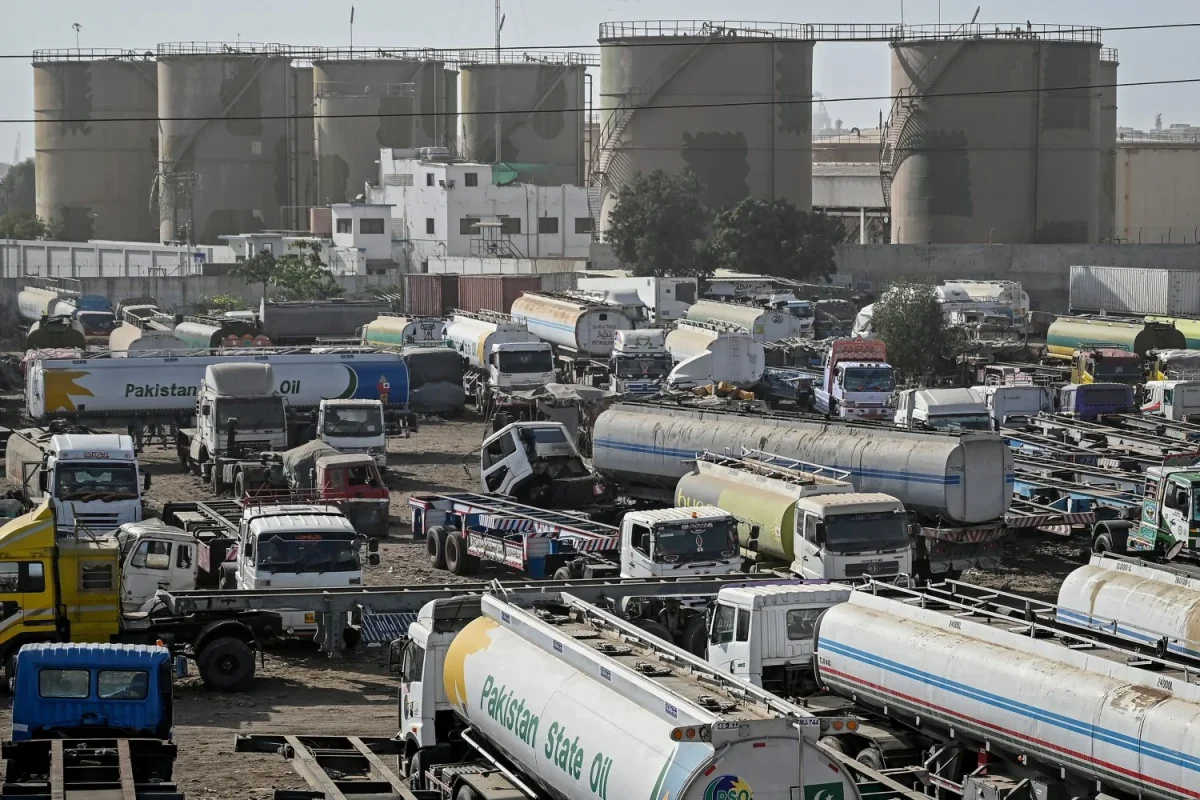
The recent blockade of the Strait of Hormuz highlights the increasing use of energy as a foreign policy weapon, raising concerns about global stability and security. As great powers compete, energy resources have become a crucial leverage point, impacting international relations and economies.
Key Facts
-
Location of Blockade Strait of Hormuz
-
Country Involved Iran
-
Global Energy Dependence High
Impact
Global energy markets and trade are affected, with potential price hikes and supply chain disruptions.
Key Insights
-
1
Geopolitical Tensions
Escalating
-
2
Energy Security
Compromised
Opportunities
Investments in renewable energy and diversified supply chains could mitigate risks and create new markets.
Risks & Challenges
The use of energy as a foreign policy tool poses significant risks to global economic stability and security. Prolonged blockades or supply disruptions could lead to price volatility, inflation, and social unrest. Furthermore, the escalation of geopolitical tensions could result in military conflicts, devastating regional and global stability.The reliance on fossil fuels and vulnerable supply chains exacerbates these risks, making it essential for countries to diversify their energy sources and develop more resilient infrastructure. The potential for cyberattacks on critical energy infrastructure also poses a significant threat, highlighting the need for enhanced cybersecurity measures to protect against such vulnerabilities.
Source url: https://foreignpolicy.com/2026/04/07/osullivan-iran-war-energy-weapon-oil-gas-prices/
Related Articles