
Congresswoman Dismisses Claims of Decades-Long US-Iran Conflict
NewsHub
May 25, 2026
1 min read
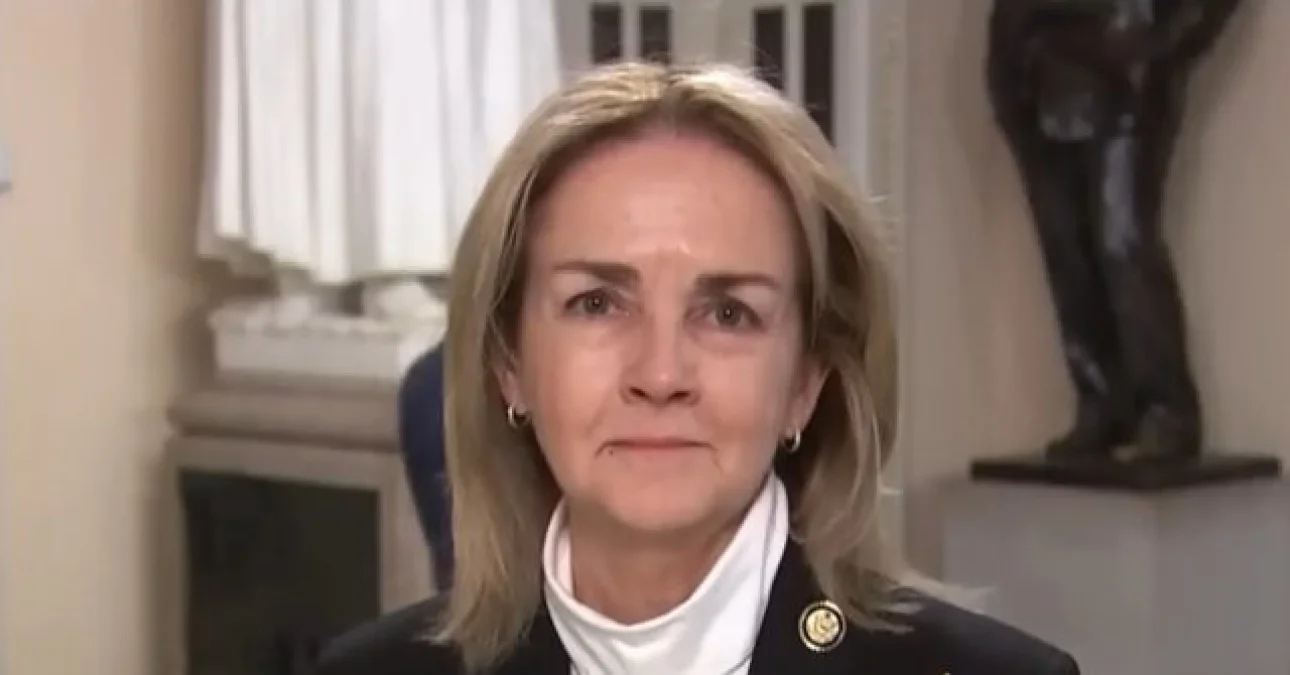
A Democratic congresswoman has strongly refuted the assertion that the United States has been engaged in a continuous war with Iran for the past 47 years. Appearing on a national news program on Monday, Representative Madeleine Dean characterized such claims as "utter nonsense." Her statement challenges a narrative that suggests a long-standing, undeclared military conflict between the two nations, emphasizing a different perspective on the historical relationship and actual engagements. The representative's comments aim to reframe the public understanding of the prolonged tension and sporadic confrontations that have marked US-Iran relations.
Key Facts
-
Representative's Name Madeleine Dean
-
Representative's Party Affiliation Democrat
-
State Represented Pennsylvania
-
Date of Statement May 25, 2026
-
Media Outlet CNN News Central
-
Core Argument Claims of a 47-year war with Iran are 'utter nonsense'.
Impact
Representative Dean's forceful dismissal of the "47-year war" narrative could influence public discourse and potentially shift political framing of US-Iran relations. By challenging a long-held, albeit often unstated, perception of continuous conflict, her remarks may prompt a re-evaluation of how the historical interactions between the two countries are understood. This could have implications for foreign policy discussions, potentially advocating for diplomatic approaches over militaristic interpretations of the past and present. The impact extends to how legislative bodies and policymakers might approach future engagements with Iran. If the prevailing narrative is altered from one of an ongoing, undeclared war to a more nuanced understanding of intermittent tensions and specific incidents, it could open avenues for different strategic considerations. This may encourage a focus on de-escalation and diplomatic solutions rather than perpetuating a cycle of perceived, perpetual hostility.
Key Insights
-
1
Rhetorical Framing
The congresswoman's use of 'utter nonsense' highlights a deliberate rhetorical strategy to delegitimize the opposing viewpoint and assert a clear, factual counter-argument.
-
2
Historical Interpretation
The debate underscores differing interpretations of historical events and the definition of 'war,' particularly in the context of prolonged periods of tension and indirect confrontation.
-
3
Policy Implication
Challenging established narratives can be a precursor to policy shifts, suggesting a potential reorientation of US foreign policy towards Iran based on a revised historical understanding.
Opportunities
Representative Dean's viewpoint presents an opportunity for renewed diplomatic engagement and the exploration of de-escalation strategies with Iran. By framing the relationship away from a perpetual state of war, it opens the door for dialogue and negotiation on contentious issues. This could foster an environment conducive to rebuilding trust, even incrementally, and finding common ground on regional security or economic matters. Furthermore, this perspective offers a chance to re-examine the effectiveness of past and present US foreign policy tools concerning Iran. It could spur innovation in diplomatic strategies, encouraging the development of novel approaches that move beyond traditional military or sanctions-based frameworks. The focus could shift towards cultural exchange, economic cooperation in specific sectors, or collaborative efforts on shared global challenges, all under a less adversarial, historical lens.
Risks & Challenges
The primary risk associated with Representative Dean's strong denial is the potential for alienating segments of the public and political establishment that subscribe to the "47-year war" narrative. This group may perceive her comments as dismissive of genuine security concerns or as downplaying the severity of past confrontations and ongoing tensions, potentially leading to accusations of naivete or a lack of seriousness regarding national security. Another significant risk is the possibility of an overreaction from hardline factions within Iran, who might interpret the congresswoman's statement as a sign of American weakness or a lack of resolve. This could embolden them to pursue more provocative actions, believing that the US is less prepared for or committed to a strong response. Conversely, it could also lead to internal political backlash within the US, with critics using the statement to paint the administration as being too lenient towards Iran.
Related Articles