
US Federal Programs Report $186 Billion Overpayment in FY2025, Citing Significant Increase
NewsHub
May 25, 2026
1 min read
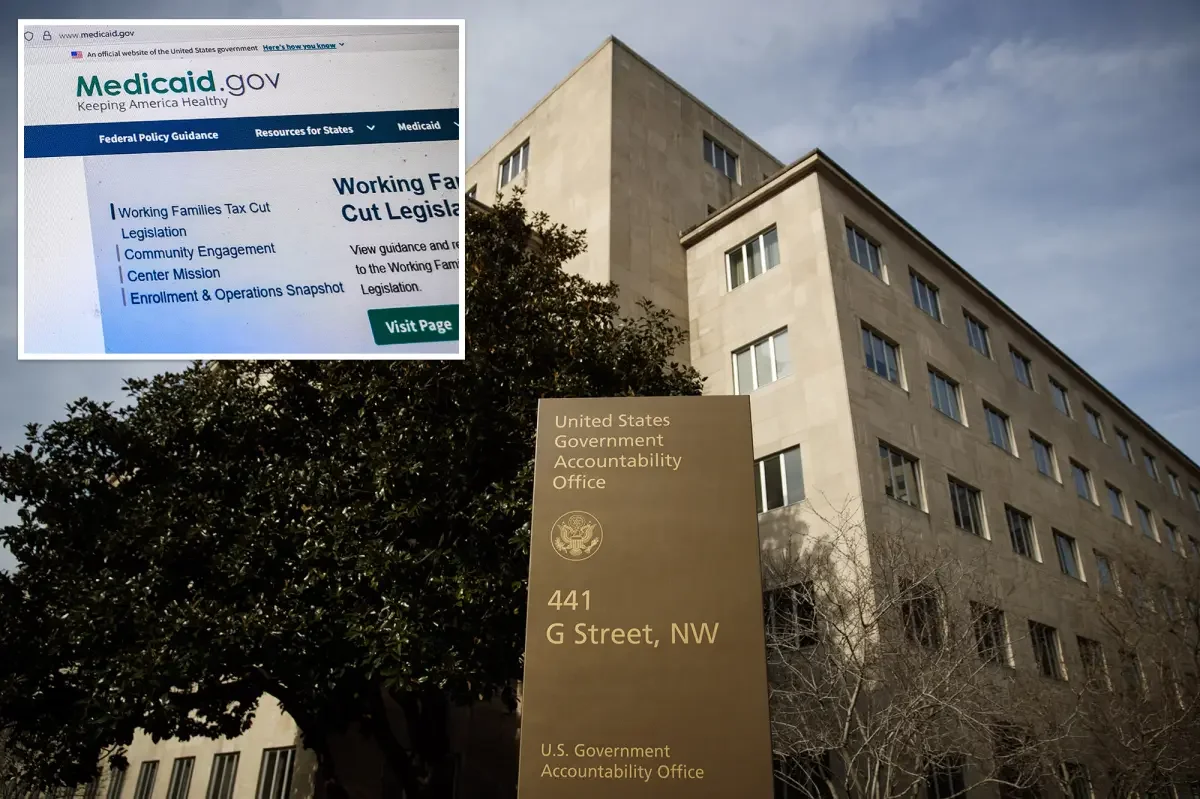
The United States federal government reportedly disbursed $186 billion in excess payments to welfare and social services recipients during fiscal year 2025. This substantial figure represents an alarming $24 billion increase compared to the previous fiscal year's total overpayments. The data underscores ongoing challenges in the management and oversight of federal assistance programs, raising concerns about fiscal responsibility and the integrity of these vital social safety nets. Analysts are calling for immediate review and potential reforms to address the escalating issue.
Key Facts
-
Total Overpayment (FY2025) $186 billion
-
Recipient Programs Welfare and social services
-
Increase from Previous Year $24 billion
Impact
These considerable overpayments exert significant pressure on the federal budget, exacerbating existing fiscal deficits and potentially diverting funds from other critical government initiatives. The misallocation of taxpayer money can lead to difficult choices regarding program funding and sustainability in the long term, potentially impacting beneficiaries who genuinely rely on these services. Furthermore, such substantial financial discrepancies may undermine the government's capacity to invest in future infrastructure, innovation, or public health priorities. Beyond direct financial strain, the reported figures have broader implications for public trust in government efficiency and accountability. A consistent pattern of overspending or mismanagement can erode confidence among taxpayers and program beneficiaries alike, fostering skepticism about the federal government's ability to effectively administer vital social programs. This erosion of trust could complicate future policy discussions and reform efforts, making it harder to gain consensus on necessary program adjustments or budget allocations.
Key Insights
-
1
Magnitude of Fiscal Leakage
The scale of overpayments, reaching $186 billion, indicates a serious and widespread issue within federal welfare and social services program administration.
-
2
Persistent Systemic Challenges
The $24 billion year-over-year increase suggests that underlying systemic weaknesses, rather than isolated incidents, are contributing to the rising overpayment trend.
-
3
Urgency for Enhanced Oversight
The data highlights an immediate need for comprehensive review, enhanced auditing, and improved technological solutions to ensure proper allocation of public funds.
Opportunities
The escalating overpayment issue presents clear opportunities for technology companies specializing in data analytics, artificial intelligence, and blockchain solutions. There is a strong demand for advanced platforms that can automate eligibility verification, detect anomalies in payment patterns, and prevent fraudulent claims or administrative errors in real-time. Consulting firms focused on government efficiency, financial auditing, and program management can also find significant business in advising federal agencies on best practices for reducing waste, improving internal controls, and implementing robust oversight mechanisms. Furthermore, this situation could spur innovation in 'GovTech' – technology solutions specifically designed for governmental operations. Startups and established tech companies could develop tailored software and services that integrate with existing federal systems to enhance data integrity, streamline beneficiary management, and provide predictive analytics for identifying at-risk payments before they occur. The focus would be on creating secure, transparent, and highly efficient payment disbursement frameworks.
Risks & Challenges
The most immediate risk is the continued strain on the national budget and potential for increased national debt. Persistent overpayments could necessitate future budget cuts in other essential areas, raise taxes, or lead to a devaluation of vital social programs, ultimately impacting the most vulnerable segments of the population. This financial mismanagement also carries the risk of diminishing the government's fiscal flexibility, making it harder to respond to unforeseen economic downturns or national emergencies effectively. Another significant risk lies in the potential for public disillusionment and political fallout. Widespread knowledge of such massive overpayments can fuel public anger, reduce faith in government institutions, and create a fertile ground for political polarization. This could lead to increased scrutiny from Congress, demands for extensive investigations, and potentially disruptive legislative efforts that may not always be well-considered but are driven by public outcry. Such instability could hinder the effective functioning of government and its ability to deliver essential services.
Related Articles