
Samsung Implements Quiet Price Increase for Galaxy Tablets in US Market
NewsHub
Apr 15, 2026
1 min read
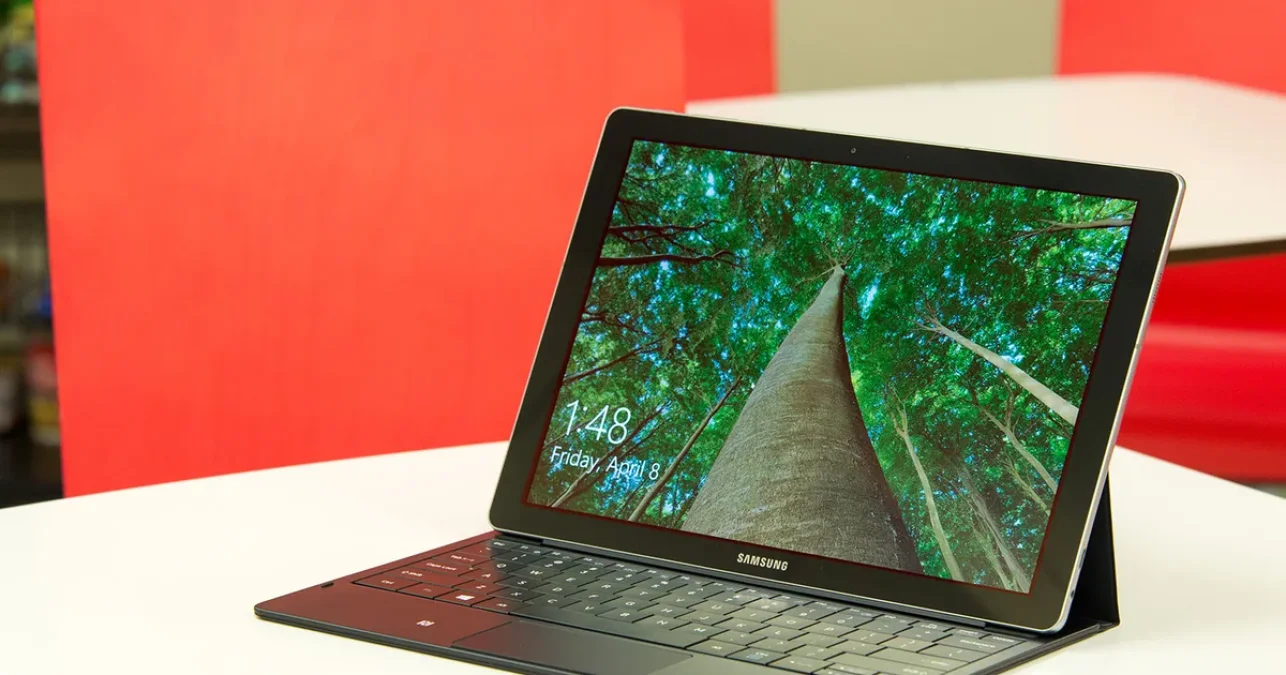
Effective as of April 15, 2026, Samsung has subtly increased the retail pricing for its range of Galaxy tablets within the United States. This move, characterized by its quiet implementation, follows a pattern of recent adjustments by the tech giant. The revised pricing structure is expected to impact consumer purchasing decisions and potentially influence the competitive landscape of the US tablet market. Analysts are observing this development closely to gauge Samsung's strategic intent and its potential effects on market share and profitability.
Key Facts
-
Affected Products Samsung Galaxy tablets
-
Geographic Scope United States market
-
Action Price increase
-
Implementation Method Quietly/Subtly introduced
-
Date of Analysis April 15, 2026
Impact
For consumers, this price adjustment translates into a higher barrier to entry for Samsung's tablet ecosystem. Individuals considering a new Galaxy tablet will now face increased costs, which could lead them to re-evaluate their purchase or explore alternatives from competing brands that may offer more competitive pricing or perceived better value. From Samsung's perspective, the immediate impact is a potential boost to profit margins per unit sold, assuming demand elasticity remains within acceptable bounds. However, there is an inherent risk of diminished sales volume if the market proves sensitive to the higher price points, potentially offsetting any per-unit gains. The strategy also impacts brand perception, particularly for consumers who value affordability and consistent pricing. Competitors, including Apple, Amazon, and various Android tablet manufacturers, stand to benefit if disgruntled Samsung customers opt to switch brands. This move could create an opening for rivals to capture market share by emphasizing their own product's value proposition, whether through stable pricing, aggressive promotions, or enhanced features at comparable costs.
Key Insights
-
1
Strategic Intent
Samsung likely aims to bolster profit margins or offset rising component and operational costs, possibly indicating confidence in its brand loyalty and product ecosystem.
-
2
Market Confidence
The 'quiet' nature of the price hike suggests a test of market tolerance, perhaps to avoid significant consumer backlash while still improving financial performance.
-
3
Competitive Positioning
This adjustment could signal a shift in Samsung's strategy towards a premium market segment, or an assumption that the overall tablet market has sufficient inelasticity to absorb such increases.
-
4
Economic Climate
Reflects broader economic pressures in 2026, such as inflation or supply chain disruptions, which may be driving up manufacturing and distribution expenses across the consumer electronics sector.
Opportunities
This price adjustment presents distinct opportunities across the industry. For Samsung, if demand proves resilient, the higher prices can significantly improve average revenue per unit and overall profitability, allowing for greater investment in research and development, marketing, or expansion into new market segments. It could also reinforce a premium brand image, aligning Galaxy tablets more closely with high-end device categories. For Samsung's competitors, this creates a clear opening. Companies like Lenovo, Amazon, and even Apple (with its varied iPad lineup) can leverage Samsung's price increase to highlight the value proposition of their own tablets. This could manifest as aggressive marketing campaigns, competitive pricing strategies, or even the introduction of new mid-range models designed to capture consumers who are now priced out of Samsung's offerings.
Risks & Challenges
Samsung faces several immediate risks with this quiet price increase. The most significant is the potential for alienating budget-conscious consumers or those who prioritize value, leading to a decline in sales volume and market share. If price elasticity for Galaxy tablets in the US is higher than anticipated, the revenue gains per unit may be negated by a substantial drop in overall unit sales, negatively impacting financial performance. Furthermore, the 'quiet' implementation, while strategic, could also be perceived negatively by some consumers and industry observers as lacking transparency. This might subtly erode brand trust over time, especially if competitors actively highlight their stable pricing or more explicit communication regarding price changes. There's also the risk of accelerating customer migration to rival platforms, particularly in a mature tablet market where differentiation can often hinge on perceived value.
Source url: https://www.digitaltrends.com/tablets/samsung-has-quietly-raised-the-price-of-its-galaxy-tablets-in-the-us/
Related Articles