
Optimizing Nutrient Absorption: New Study Reveals Banana's Impact on Berry Smoothies
NewsHub
May 24, 2026
1 min read
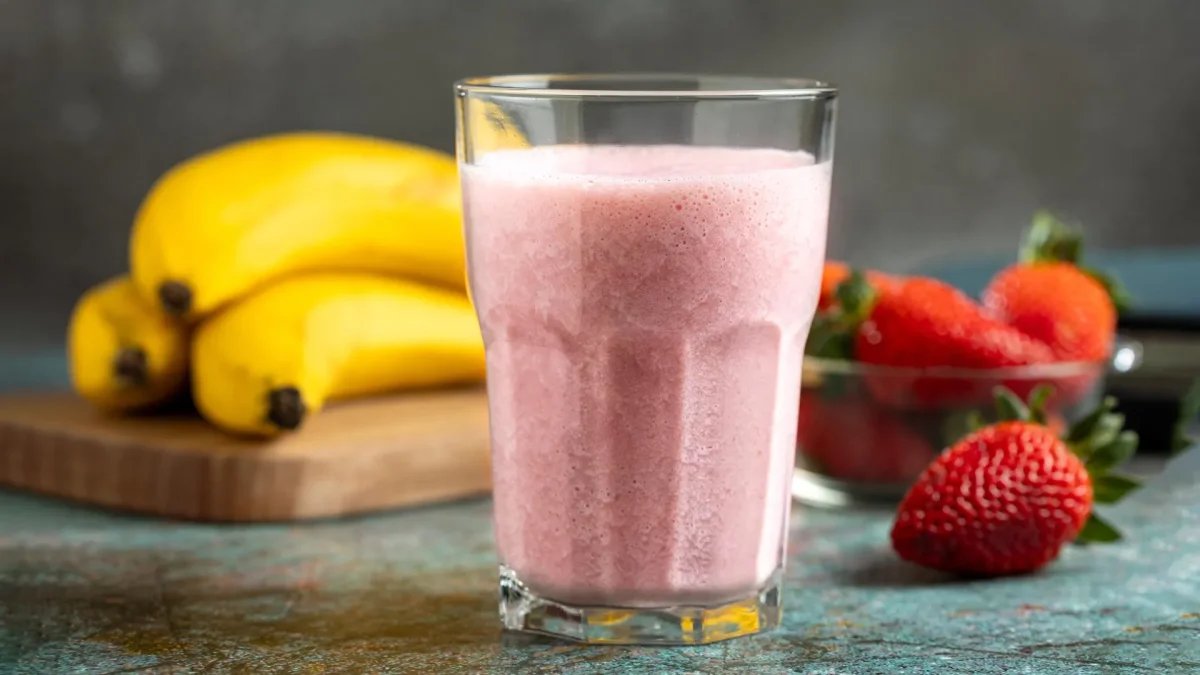
Recent research has unveiled that incorporating bananas into berry smoothies can substantially hinder the body's capacity to absorb beneficial flavanols. This unexpected finding highlights a critical aspect of nutrition often overlooked: simple food combinations can dramatically influence the actual bioavailability of nutrients, not just their presence. The study challenges conventional wisdom surrounding healthy eating by demonstrating that ingredient interactions are paramount for maximizing the health benefits derived from dietary choices.
Key Facts
-
Primary Discovery Adding bananas to berry smoothies significantly reduces flavanol absorption.
-
Affected Nutrient Flavanols, a type of beneficial compound found in berries.
-
Broader Implication Simple food pairings can profoundly alter the body's ability to absorb nutrition.
Impact
This discovery holds significant implications for consumer dietary habits. Individuals meticulously planning their healthy meals, particularly those relying on smoothies for nutrient intake, may need to re-evaluate their ingredient choices. Understanding which food combinations optimize or inhibit nutrient absorption will become crucial for those aiming to truly maximize the health benefits of their diet, moving beyond mere calorie or macronutrient counting. For the food and beverage industry, especially companies producing health-focused products, this research presents both a challenge and an opportunity. Manufacturers might need to reformulate existing smoothie mixes or develop new product lines that account for nutrient interactions. Clearer labeling and consumer guidance on optimal consumption pairings could become a competitive advantage, leading to innovation in product development aimed at enhancing bioavailability. From a scientific and healthcare perspective, this study reinforces the complexity of nutritional science. Dietitians and nutritionists will integrate these findings into their client recommendations, emphasizing the intricate interplay of compounds within food. This could lead to more nuanced, personalized dietary advice, moving beyond general healthy eating guidelines to specific recommendations based on food synergy and antagonism.
Key Insights
-
1
Beyond Raw Content
The study underscores that the actual nutritional value obtained from food is not solely determined by its raw nutrient composition but critically by how ingredients are combined and interact within the body.
-
2
Challenging Assumptions
It challenges the common assumption that simply blending multiple 'healthy' ingredients automatically results in a maximally nutritious outcome, urging a more informed approach to food preparation.
-
3
Dietary Bioavailability
The research highlights the crucial role of bioavailability – the proportion of a nutrient that is absorbed and utilized by the body – as a key metric for evaluating dietary effectiveness, distinct from mere nutrient presence.
Opportunities
Businesses specializing in personalized nutrition platforms and dietary tracking applications have a prime opportunity to integrate these findings. Developing AI-driven tools that analyze user-inputted recipes and provide real-time suggestions for optimizing nutrient absorption, based on known food interactions like the banana-flavanol dynamic, could offer significant value. This could extend to offering ingredient swap recommendations or highlighting optimal consumption timings. For food technology and ingredient innovation, there's a strong incentive to research and develop novel ingredients or processing methods that either enhance flavanol bioavailability or mitigate the inhibitory effects of certain compounds. This could include creating specialized pre-blended smoothie packets designed for maximum nutrient uptake, or even developing enzyme additives that prevent flavanol degradation in mixed fruit environments.
Risks & Challenges
A primary risk is the potential for public misinterpretation or oversimplification of these findings, leading to unnecessary dietary fear or restrictions. Consumers might prematurely eliminate bananas from their diet entirely, overlooking their other beneficial nutrients like potassium and fiber. This could foster an unbalanced view of healthy eating, where single-nutrient focus overshadows the broader benefits of a diverse diet. Furthermore, the news could be exploited by opportunistic marketers pushing unproven 'flavanol-boosting' supplements or highly specialized, expensive foods, creating a 'nutri-scare' around common ingredients. This could lead to consumer confusion, distrust in mainstream nutritional advice, and potentially financial exploitation through products that lack robust scientific validation or are simply unnecessary for most individuals.
Source url: https://www.sciencedaily.com/releases/2026/05/260524020950.htm
Related Articles