Online Threats Against U.S. President Lead to Guilty Plea for Pennsylvania Man
NewsHub
Apr 13, 2026
1 min read
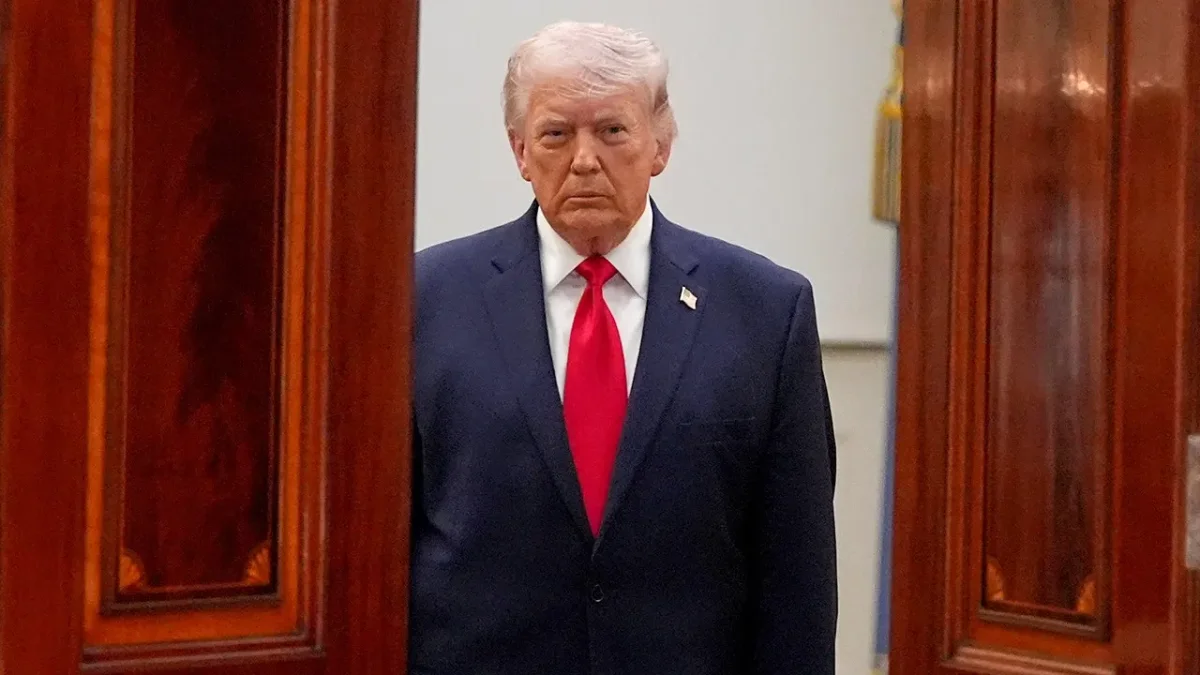
A man from Butler, Pennsylvania, has entered a guilty plea in federal court for making serious online threats to assassinate former President Donald Trump and harm agents of U.S. Immigration and Customs Enforcement (ICE). The individual, Shawn Monper, was apprehended following an investigation by the Federal Bureau of Investigation (FBI), which uncovered his alarming posts disseminated on YouTube. This conviction underscores the significant legal repercussions for individuals who leverage digital platforms to issue violent threats against public officials and federal personnel, reaffirming the commitment of law enforcement to monitor and prosecute such activities.
Key Facts
-
Defendant Shawn Monper
-
Location Butler, Pennsylvania
-
Charges Making threats to assassinate President Trump and kill ICE agents
-
Platform Used YouTube (online posts)
-
Investigating Agency Federal Bureau of Investigation (FBI)
-
Outcome Guilty plea
-
Reporting Authority U.S. Department of Justice
Impact
This guilty plea serves as a stark reminder of the serious legal ramifications associated with online threats, particularly those targeting high-profile public figures and government officials. For individuals contemplating similar actions, it reinforces the message that digital anonymity does not equate to immunity from prosecution. The case highlights the vigilance of federal law enforcement agencies like the FBI in monitoring digital communication channels for actionable threats and their capacity to trace and apprehend individuals responsible, regardless of the perceived privacy of online platforms. This outcome is crucial for maintaining public order and ensuring the safety of those in public service, deterring potentially dangerous rhetoric from escalating into real-world violence. It also emphasizes the importance of cybersecurity infrastructure and intelligence gathering in safeguarding national security.
Key Insights
-
1
Digital Accountability
The case reinforces that online speech, especially threatening content, is subject to real-world legal accountability, shattering any illusion of complete anonymity or impunity on digital platforms.
-
2
Law Enforcement Vigilance
It demonstrates the continued and sophisticated efforts of federal agencies, like the FBI, to monitor, investigate, and prosecute online threats against public figures, emphasizing their robust capabilities in digital forensics.
-
3
Platform Responsibility
The use of YouTube in disseminating threats implicitly raises questions about the role and responsibility of social media platforms in identifying and reporting dangerous content to authorities, or proactively removing it.
Opportunities
The proliferation of online threats presents significant opportunities for advancements in artificial intelligence and machine learning technologies geared towards content moderation and threat detection. Companies developing natural language processing (NLP) algorithms that can accurately identify and flag violent or threatening language across various dialects and slang could find substantial demand from social media platforms, law enforcement, and national security agencies. Furthermore, there's an ongoing need for secure, efficient communication channels and analytical tools that allow law enforcement to sift through vast amounts of digital data to pinpoint credible threats, fostering innovation in digital forensics and intelligence analysis software. Another area of opportunity lies in public education and digital literacy programs. Organizations that can develop effective campaigns to educate citizens about the legal boundaries of online speech and the potential consequences of making threats could help mitigate such incidents. This includes creating educational content for schools, community groups, and online users, fostering a more responsible and secure digital environment.
Risks & Challenges
The continuous monitoring of online platforms by law enforcement, while necessary for national security, inherently carries risks related to privacy and freedom of speech. There's a delicate balance between safeguarding public figures and potentially infringing upon the First Amendment rights of citizens. Overzealous surveillance or broad interpretations of what constitutes a 'threat' could lead to a 'chilling effect,' where individuals self-censor legitimate political or critical discourse online for fear of being investigated. This could stifle open debate and legitimate dissent, which are foundational to democratic societies. Moreover, the reliance on AI for threat detection, while promising, carries the risk of false positives or misinterpretations, potentially leading to unwarranted investigations or censorship. Ensuring the accuracy and ethical deployment of such technologies is paramount. There's also the persistent risk of individuals circumventing detection methods by using encrypted channels or less monitored platforms, necessitating continuous adaptation and evolution of law enforcement strategies to counter emerging digital threats effectively without compromising civil liberties.
Source url: https://www.foxnews.com/us/butler-mans-online-rants-kill-trump-end-guilty-plea-after-fbi-probe
Related Articles