
Obstacle Course Racing Makes Olympic Debut in 2028
NewsHub
May 26, 2026
1 min read
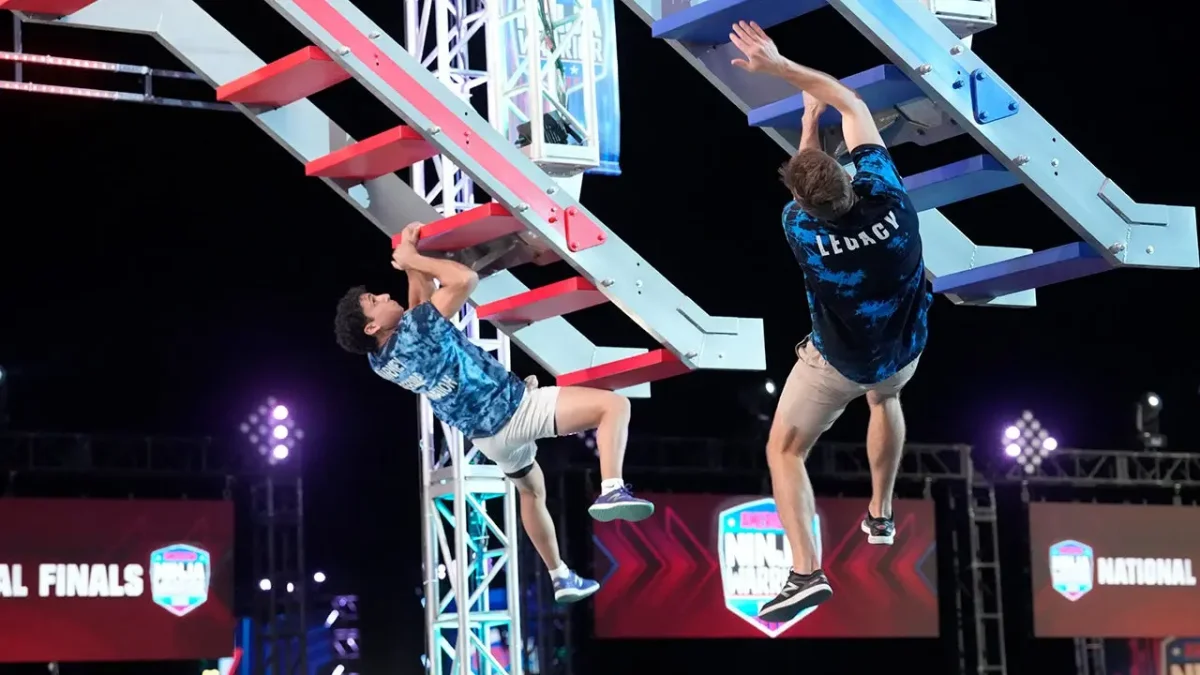
The 2028 Summer Olympics in Los Angeles will feature a new component in the modern pentathlon, replacing show jumping with obstacle courses inspired by popular TV shows. This change aims to increase the event's appeal and accessibility. The introduction of obstacle course racing is expected to attract a new audience and provide a fresh challenge for athletes.
Key Facts
-
Olympic Year 2028
-
Host City Los Angeles
-
Event Modern Pentathlon
-
New Component Obstacle Course Racing
-
Replaced Event Show Jumping
Impact
The inclusion of obstacle course racing in the Olympics is likely to have a significant impact on the sport's popularity. It may attract new fans and participants, potentially leading to increased investment and growth. The change could also influence the development of training programs and facilities for athletes. Furthermore, the introduction of this new component may lead to a more diverse range of athletes competing in the modern pentathlon, as it requires a different set of skills than show jumping. The modern pentathlon has undergone several changes since its introduction in the 1912 Olympics. The replacement of show jumping with obstacle course racing is the latest effort to modernize the event and make it more appealing to a wider audience. This change may also help to increase the number of participating countries and athletes, as obstacle course racing is a more accessible sport than show jumping. The impact of this change will be closely watched by athletes, coaches, and fans. It is expected to bring a new level of excitement and challenge to the modern pentathlon, and its success may pave the way for the inclusion of other new sports and events in future Olympics.
Key Insights
-
1
Athlete Preparation
Athletes will need to adapt their training programs to include obstacle course racing, which requires a unique combination of strength, agility, and endurance.
-
2
Event Organization
The introduction of obstacle course racing will require significant investment in infrastructure and logistics, including the design and construction of courses and the training of officials.
-
3
Spectator Engagement
The new component is expected to increase spectator engagement, as obstacle course racing is a high-energy and easily understandable sport that can be appealing to a broad audience.
Opportunities
The inclusion of obstacle course racing in the Olympics presents several business and tech opportunities. Companies specializing in obstacle course design and construction may see an increase in demand for their services, as cities and countries invest in infrastructure to support the growth of the sport. Additionally, technology companies may develop innovative solutions for tracking athlete performance, providing real-time feedback, and enhancing the spectator experience. The growth of obstacle course racing may also lead to new partnerships and collaborations between sports equipment manufacturers, athletic wear brands, and health and fitness companies. These partnerships could result in the development of new products and services tailored to the specific needs of obstacle course athletes, such as specialized footwear, apparel, and training equipment.
Risks & Challenges
The introduction of obstacle course racing in the Olympics also carries some risks. One of the main concerns is the potential for injuries, as obstacle course racing is a high-impact sport that requires athletes to navigate challenging and physically demanding courses. To mitigate this risk, it will be essential to develop and implement robust safety protocols, including thorough course design and testing, athlete training and preparation, and on-site medical support. Another risk is the potential for controversy and disputes over course design, athlete qualification, and competition rules. To address these risks, it will be crucial to establish clear and transparent guidelines, as well as effective communication channels between athletes, coaches, officials, and organizers. This may involve investing in education and training programs for officials, as well as implementing robust dispute resolution mechanisms.
Related Articles