
New Federal Reserve Survey Reveals 10% of US Households Face Food Insecurity, Relying on Aid
NewsHub
May 28, 2026
1 min read
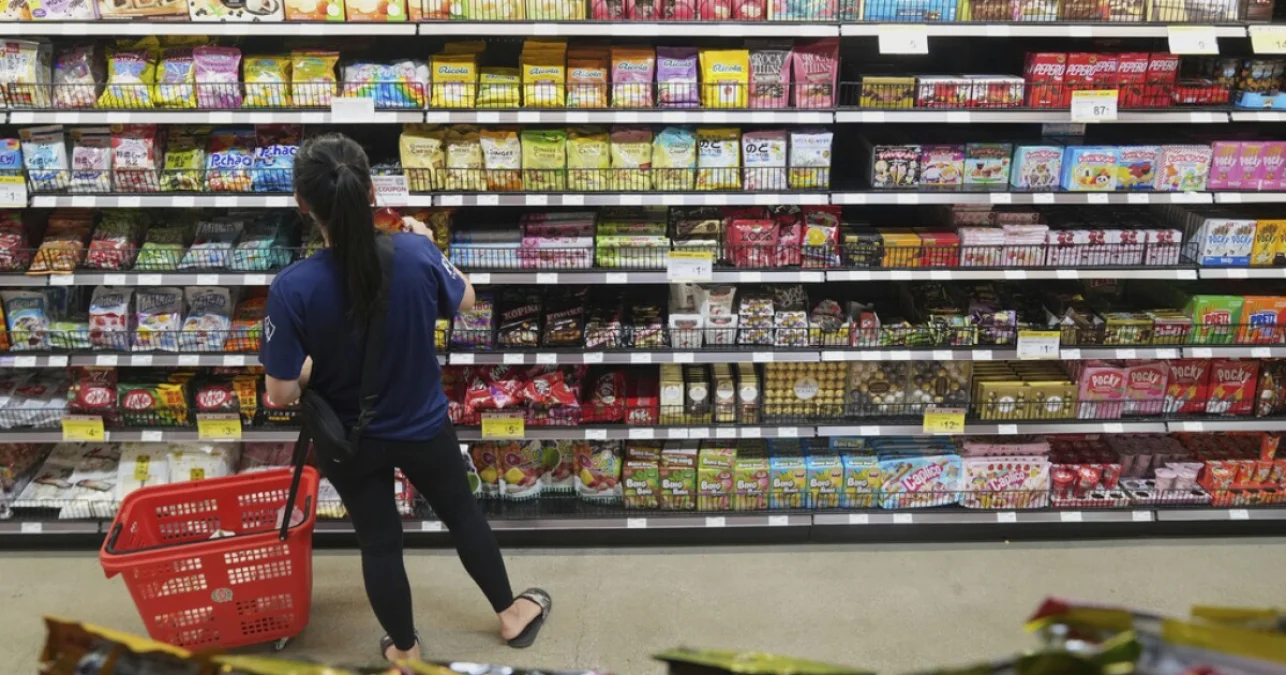
Recent findings from the Federal Reserve Bank of New York indicate a significant portion of American households are struggling with basic food access. The survey reveals that approximately one in ten families are resorting to extreme measures, such as skipping meals, or depending on food donations and government assistance programs to meet their nutritional needs. This data points to ongoing economic challenges affecting a substantial segment of the population, highlighting vulnerability despite broader economic trends and raising concerns about household well-being.
Key Facts
-
Prevalence of Food Insecurity Approximately 10% of American families
-
Coping Mechanisms Skipping meals, relying on food donations, or government assistance
-
Survey Origin Federal Reserve Bank of New York
Impact
The widespread reliance on food assistance has immediate and profound impacts on public health and social welfare. Families struggling with food insecurity often face malnutrition, which can lead to chronic health issues, reduced cognitive function, and decreased productivity. For children, consistent access to nutritious food is critical for development and academic performance, making these findings particularly concerning for long-term societal well-being. Economically, this situation places increased strain on public services and charitable organizations. Food banks and government assistance programs are compelled to stretch their resources further, potentially facing capacity limitations. Persistent food insecurity can also contribute to a less healthy and less productive workforce, ultimately impacting national economic growth and stability over time. It underscores the uneven distribution of economic recovery and rising living costs.
Key Insights
-
1
Economic Disparity Indicator
The survey underscores that headline economic growth figures may not fully reflect the financial fragility experienced by a significant portion of American households, particularly concerning essential expenses like food.
-
2
Strain on Social Safety Nets
The data highlights the critical, yet potentially overburdened, role of government assistance programs and community food initiatives in preventing wider crises among vulnerable populations.
-
3
Hidden Hardship
This finding suggests a 'hidden' struggle for many families, indicating that economic pressures such as inflation in food prices are having a direct and severe impact on daily sustenance.
Opportunities
The growing need for food assistance presents opportunities for innovation in food technology and logistics. Businesses could develop more efficient supply chain models for surplus food redistribution, leveraging AI and blockchain to connect food donors with those in need, minimizing waste and maximizing reach. There's also potential for startups focused on creating affordable, nutritious meal solutions or subscription services tailored for low-income families, utilizing economies of scale and direct-to-consumer models. Furthermore, technological advancements can support community-led initiatives, such as hyper-local food sharing platforms or apps that streamline volunteer coordination for food banks. Investment in agritech to produce food more affordably and sustainably, alongside solutions for extending shelf life and reducing spoilage, could also see increased demand. Opportunities exist for public-private partnerships to enhance infrastructure for food storage and distribution in underserved areas.
Risks & Challenges
Should these trends continue or worsen, there is a significant risk of escalating public health crises. Chronic food insecurity can lead to increased rates of obesity, diabetes, and other diet-related diseases, placing immense pressure on an already strained healthcare system. This also poses a risk to educational attainment and social mobility, as malnourished children struggle to learn and develop, perpetuating cycles of poverty across generations. From an economic and social stability perspective, persistent food insecurity can exacerbate social inequality and fuel public discontent. A substantial portion of the population feeling left behind or unable to meet basic needs can erode trust in institutions and potentially lead to social unrest. It also risks long-term economic drag as a less healthy and productive workforce impacts overall national prosperity and competitiveness.
Related Articles