
House Extends Controversial Surveillance Authority, Sending Measure to President
NewsHub
Apr 30, 2026
1 min read
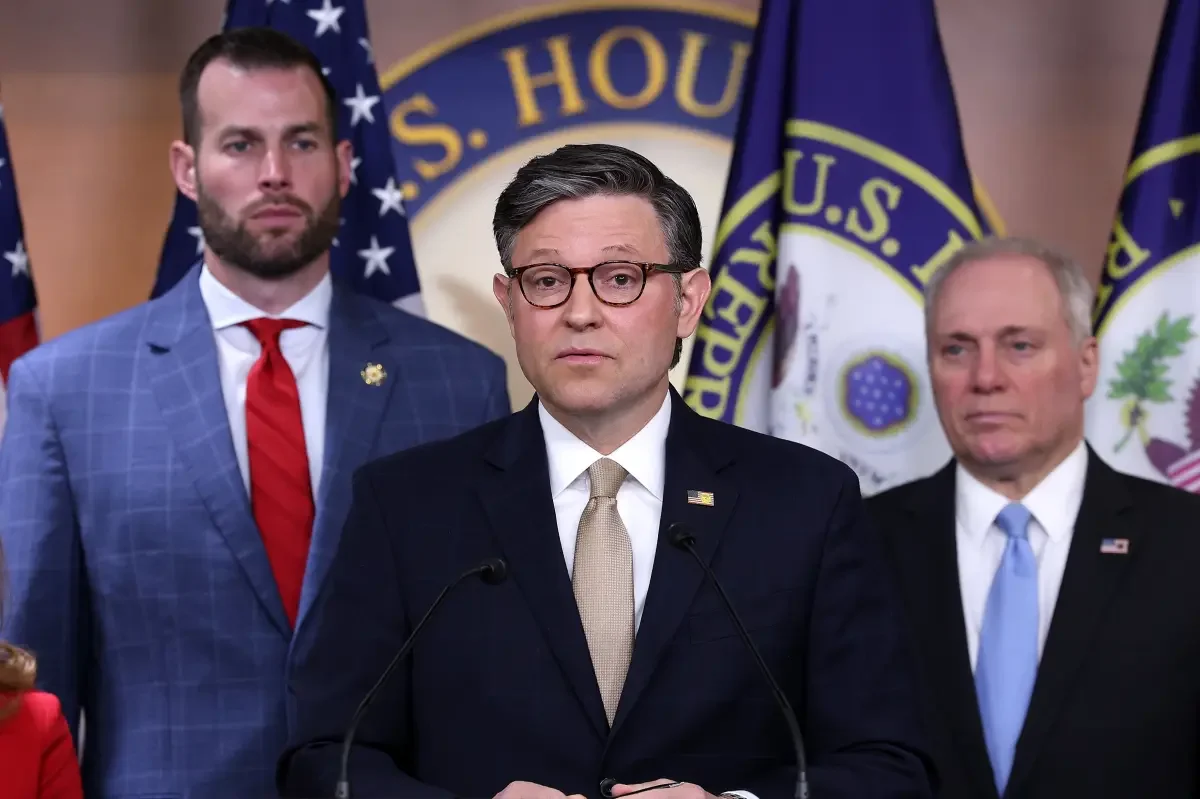
The House of Representatives has narrowly passed a 45-day continuation of a disputed government surveillance program, allowing federal agencies to collect foreign intelligence information without warrants. The vote, which required a supermajority under specific procedural rules, saw significant opposition, with a considerable number of lawmakers abstaining. This short-term extension now heads to the President's desk for his signature, pushing a larger debate over the future of the program into the coming weeks. The decision highlights ongoing divisions regarding national security and individual privacy within Congress.
Key Facts
-
Vote Count 261 in favor, 111 against
-
Extension Duration 45 days
-
Procedural Vote Requirement Two-thirds majority
-
Non-Voting Lawmakers 58
Impact
The immediate impact of this vote is the temporary preservation of a powerful intelligence-gathering tool, providing continuity for national security operations. This extension effectively delays a broader legislative reckoning on the scope and oversight of digital surveillance. For citizens, it means the continued possibility of foreign intelligence being gathered through methods that do not require judicial warrants, a point of contention for privacy advocates. The extended uncertainty also puts pressure on lawmakers to find a more permanent solution, potentially leading to further public debate and scrutiny. This short-term measure will likely intensify discussions surrounding the balance between national security imperatives and civil liberties. Civil liberties organizations are expected to continue their advocacy for stricter limitations and greater transparency in surveillance practices. The business community, particularly those dealing with international data flows, will be monitoring these developments closely, as the ultimate fate of the program could have implications for data privacy regulations and international cooperation on intelligence matters.
Key Insights
-
1
Legislative Stalemate
The reliance on a short-term extension underscores a deep partisan divide and an inability to reach consensus on a significant national security statute, indicating a broader challenge in legislating on complex privacy and security issues.
-
2
Electoral Influence
The upcoming election cycle may be a factor in lawmakers' decisions, as they navigate the political risks associated with supporting or opposing the controversial surveillance powers, potentially influencing their approach to the eventual permanent legislation.
-
3
Shifting Public Opinion
The persistent controversy surrounding these powers suggests a growing public awareness and concern regarding government surveillance, pushing for greater accountability and safeguards in how such authorities are exercised.
Opportunities
The ongoing debate presents an opportunity for technology companies to innovate in areas of secure communication and data anonymization, offering solutions that can enhance privacy for users while still facilitating legitimate intelligence needs. Furthermore, the demand for greater transparency could spur the development of auditing and oversight tools that allow for more granular monitoring of surveillance activities without compromising classified information. This period also creates a chance for policymakers to explore bipartisan compromises, potentially leading to modernized legal frameworks that adapt to evolving technological landscapes and address contemporary privacy concerns in a balanced manner.
Risks & Challenges
The primary risk associated with this extension is the continuation of a surveillance framework that critics argue infringes upon fundamental privacy rights without adequate oversight. The broad authority, even if focused on foreign intelligence, carries the potential for misuse or overreach, particularly as digital communication continues to evolve. Concerns about the erosion of civil liberties and the establishment of a precedent for warrantless surveillance remain significant. Furthermore, this legislative dance creates uncertainty for international relations and trust. Allies and adversaries alike will be observing the United States' approach to surveillance, potentially impacting intelligence sharing agreements and perceptions of American commitment to human rights. The lack of a clear, long-term legislative direction for these powers can also create operational challenges for intelligence agencies, who may be hesitant to fully rely on a program subject to continuous short-term extensions and potential revocation.
Related Articles