Former Maine Official Reflects on 2024 Trump Ballot Removal Attempt
NewsHub
Apr 12, 2026
1 min read
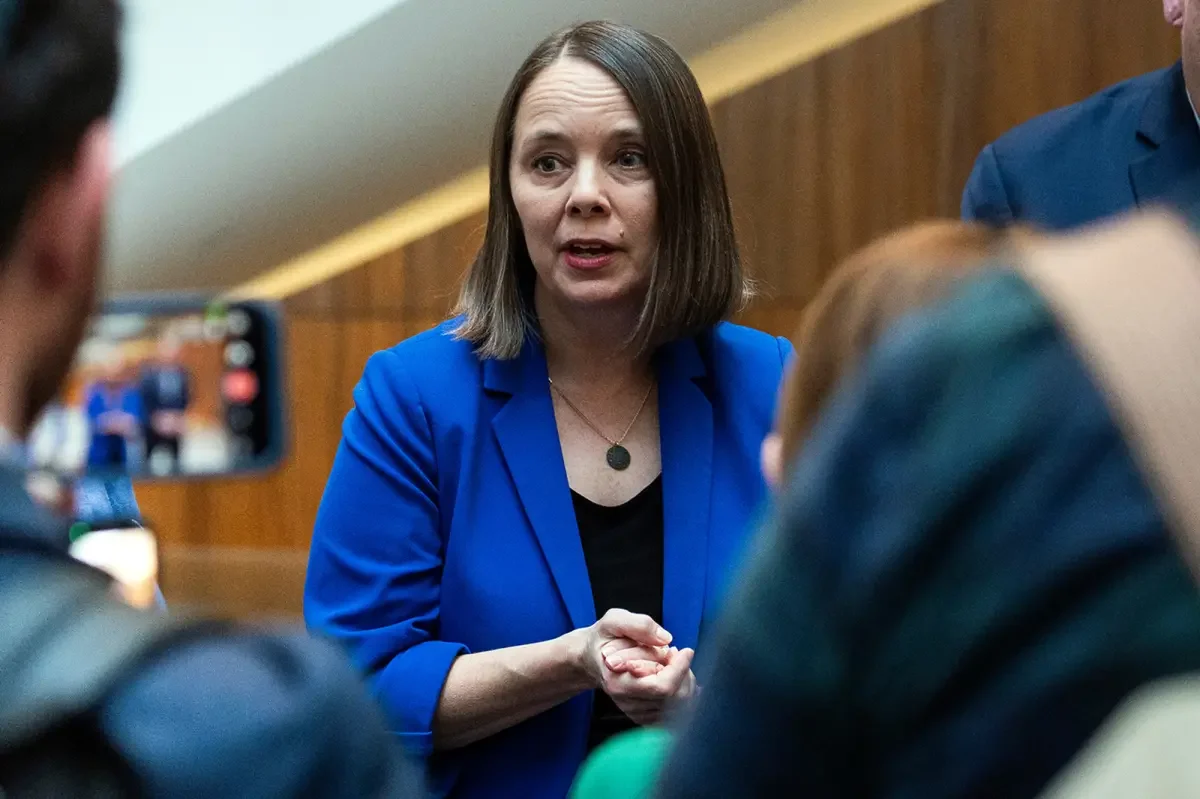
Shenna Bellows, the Maine Secretary of State, is reportedly discussing her decision to attempt removing former President Donald Trump from the state's 2024 presidential primary ballot. This action, taken under her interpretation of the 14th Amendment's Section 3, followed similar efforts in Colorado. However, the U.S. Supreme Court unanimously overturned these state-level disqualifications, ruling that states lack the authority to enforce Section 3 against federal candidates without implementing legislation from Congress. Bellows's current reflections revisit a significant legal and political challenge from the previous election cycle.
Key Facts
-
Official Involved Shenna Bellows (Maine Secretary of State)
-
Action Taken Attempted removal of Donald Trump from 2024 presidential primary ballot
-
Legal Basis for Action Interpretation of the 14th Amendment, Section 3 ('insurrection clause')
-
Other States with Similar Efforts Colorado
-
Ruling Authority U.S. Supreme Court
-
Supreme Court Decision Unanimous rejection of state-level disqualifications
-
Date of Supreme Court Decision Early 2024 (prior to primaries)
-
Current Status of Official Reflecting on past decision
Impact
The U.S. Supreme Court's unanimous ruling on ballot access in 2024 significantly clarified the limitations of state authority concerning federal elections. By determining that states cannot unilaterally enforce Section 3 of the 14th Amendment against presidential candidates, the Court established a crucial precedent. This decision effectively reserved the power to enact such disqualifications for Congress, thereby preventing a patchwork of state-by-state rulings that could have created electoral chaos and uncertainty across the nation. Beyond its legal ramifications, these ballot challenges intensified political polarization and public discourse surrounding election integrity and constitutional interpretation. The debate fueled narratives from various political camps, with some viewing the attempts as necessary actions to uphold democratic principles, while others condemned them as partisan election interference. This period highlighted the deep divisions within the electorate and the differing interpretations of fundamental constitutional provisions. The reflections from officials involved continue to stimulate discussion on the responsibilities and boundaries of state election administration. Furthermore, the events placed a spotlight on the role and discretion of state Secretaries of State. These officials, typically responsible for impartial oversight of elections, found themselves at the center of highly contentious legal and political battles. The incident underscored the immense pressure on state administrators to navigate complex constitutional questions, often with significant national implications, raising questions about the appropriate scope of their interpretative powers in a federal system.
Key Insights
-
1
Constitutional Interpretation
The Supreme Court's unanimous decision underscored that, despite the clear language of the 14th Amendment's Section 3, its application to federal offices requires specific congressional enabling legislation, thereby clarifying the procedural mechanism for its enforcement.
-
2
Federal vs. State Authority
The case prominently reinforced the principle of federal supremacy in national elections, delineating the boundaries of state authority in determining candidate eligibility for federal office.
-
3
Judicial Unity
The unanimity of the Supreme Court's ruling, spanning the ideological spectrum of its justices, indicated a collective commitment to maintaining a consistent national framework for presidential elections and avoiding state-level disruptions.
-
4
Political Strategy Evolution
While ultimately unsuccessful, the ballot challenges represented a novel and aggressive legal strategy to influence candidate eligibility, potentially prompting future exploration of alternative legal avenues for challenging candidates' qualifications.
Opportunities
The high-profile nature of the 2024 ballot access challenges presents several opportunities within the legal and technology sectors. There is a growing demand for advanced legal tech solutions designed to assist state election officials in navigating intricate constitutional questions and compliance requirements. This includes AI-powered platforms for legal research, regulatory updates, and predictive analytics that can help officials assess the legality and potential impact of complex electoral decisions, thereby reducing the likelihood of costly and contentious litigation. Additionally, the ongoing public interest in election integrity opens avenues for the development of robust, transparent election administration technologies. Businesses can focus on creating secure, auditable systems for candidate registration, ballot access verification, and election result reporting. Such innovations can enhance public trust, provide clarity in contentious situations, and offer state election departments tools to manage their responsibilities more effectively while adhering strictly to constitutional and statutory mandates.
Risks & Challenges
One significant risk emanating from the 2024 ballot challenges is the potential for further erosion of public trust in the electoral process. Even though the Supreme Court ultimately provided clarity, the initial attempts by state officials to remove a presidential candidate from the ballot fostered deep skepticism among segments of the electorate regarding the impartiality and fairness of election administration. Continued discussion or perceived advocacy for such past actions could exacerbate these trust issues, making it harder for election officials to instill confidence in future election outcomes. Another concern is the ongoing politicization of administrative roles, particularly those of state Secretaries of State. These positions, traditionally viewed as non-partisan guardians of election procedures, risk becoming battlegrounds for partisan legal and constitutional interpretations. This could lead to future officials being elected or appointed based on their willingness to push legal boundaries rather than their commitment to neutral election oversight. Such a trend might intensify political conflicts, increase litigation around elections, and potentially destabilize the administrative functions crucial for democratic governance.
Source url: https://nypost.com/2026/04/12/opinion/dems-actually-brag-about-violating-the-constitution-to-save-democracy/
Related Articles