7-Eleven Initiates Major Strategic Overhaul with 600 Store Closures for Enhanced Food Service Model
NewsHub
Apr 13, 2026
1 min read
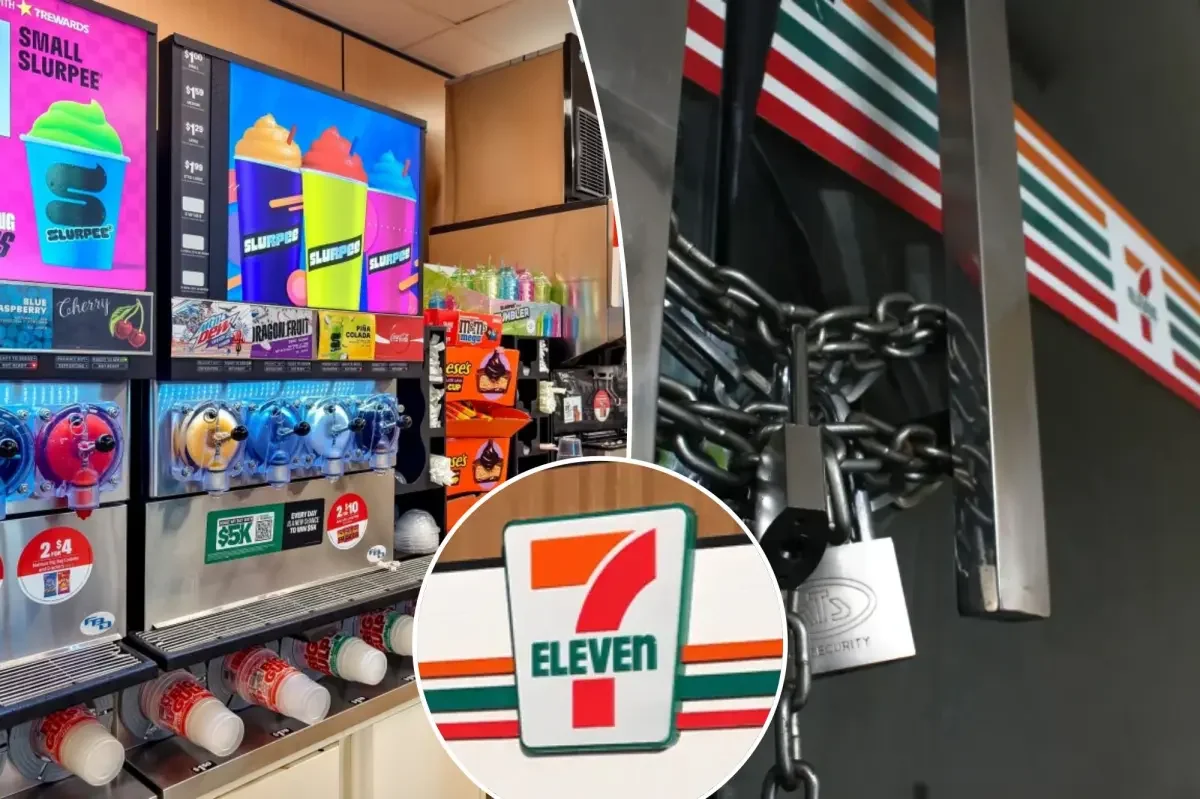
7-Eleven plans to close 600 locations within the current year as part of a significant strategic initiative. This move signals a profound shift in its business model, moving away from its traditional reliance on tobacco and packaged snacks. The convenience retail giant aims to re-position itself by emphasizing fresh food options, including prepared meals and specialized items like ramen, to better cater to evolving consumer demands for convenient and healthier meal solutions. This transformation seeks to modernize its offerings and enhance the customer experience.
Key Facts
-
Store Closures Planned 600 locations
-
Timeline for Closures This year (2026)
-
Strategic Goal Massive store makeover and business model transformation
-
New Product Focus Ready-made meals and specialized food items (e.g., ramen)
-
Shift Away From Traditional tobacco products and packaged snacks
Impact
This strategic pivot by 7-Eleven will have multifaceted impacts across the retail landscape. For consumers, the immediate effect will be the disappearance of 600 familiar outlets, potentially causing temporary inconvenience in certain localities. However, the long-term benefit for customers is the promise of a modernized convenience store experience offering a wider array of fresh, ready-to-eat meals and perhaps healthier alternatives, catering to busy lifestyles and changing dietary preferences. This could elevate expectations for the entire convenience sector. From an operational standpoint, the closures will undoubtedly lead to job displacements at the affected stores, although some personnel might be redeployed or new opportunities created within the transformed network. Competitors, ranging from other convenience store chains like Circle K and Casey's to fast-casual restaurants and even grocery stores with grab-and-go sections, will feel the pressure. They may need to accelerate their own food service innovations or risk losing market share to a revitalized 7-Eleven. This strategic move could trigger a wave of investment in fresh food infrastructure across the convenience retail industry.
Key Insights
-
1
Industry Transformation
This represents a broader industry trend where traditional convenience stores are evolving into hybrid food service providers, moving beyond impulse purchases to capture a larger share of daily meal spending.
-
2
Consumer-Driven Strategy
7-Eleven's shift underscores the growing consumer demand for convenience coupled with quality, fresh food options, driven by busy schedules and increasing health consciousness.
-
3
Market Re-positioning
The company is strategically repositioning itself not just as a quick stop for essentials, but as a viable competitor in the grab-and-go meal market, aiming to differentiate from traditional gas station convenience stores.
Opportunities
For 7-Eleven, this transformation presents significant opportunities to boost revenue per store by increasing the average transaction value and encouraging repeat visits through a more compelling food offering. It also allows for brand rejuvenation, attracting a younger, more health-conscious demographic while potentially fostering stronger customer loyalty. Furthermore, the focus on fresh food opens avenues for greater technological integration, such as mobile ordering, delivery partnerships, and personalized recommendations, enhancing operational efficiency and customer engagement. Beyond 7-Eleven, this trend creates substantial opportunities for suppliers of fresh produce, specialty ingredients, and prepared foods, as well as companies offering advanced refrigeration and food preparation equipment. Technology providers specializing in supply chain management for perishable goods, demand forecasting, and frictionless payment systems will also find new markets. Logistics companies capable of managing more frequent and specialized deliveries to a decentralized network of stores will also see increased demand.
Risks & Challenges
The ambitious scale of 7-Eleven's overhaul carries considerable risks. Executional challenges are paramount, including managing the logistics of closing 600 stores while simultaneously remodeling others and establishing entirely new supply chains for perishable goods. There's a significant capital expenditure involved in these transformations, and a miscalculation in consumer acceptance of the new food offerings could lead to a poor return on investment. Furthermore, the company must effectively train staff in food preparation and hygiene standards, a departure from their traditional roles, to ensure consistent quality and safety. Market risks also loom large. While the shift aligns with current trends, consumer preferences can evolve rapidly, and sustained demand for specific items like ramen or ready-made meals is not guaranteed in the long term. Intense competition from existing food service establishments and other convenience retailers that might quickly replicate successful aspects of 7-Eleven's new model could erode its competitive advantage. There's also the risk of alienating existing customers who valued the traditional convenience store offerings, if the balance between old and new is not managed carefully.
Source url: https://nypost.com/2026/04/13/lifestyle/7-eleven-to-close-645-stores-in-major-food-focused-revamp/
Related Articles