Fatal White House Shooting Underscores Prior Security Interaction Concerns
NewsHub
May 24, 2026
1 min read
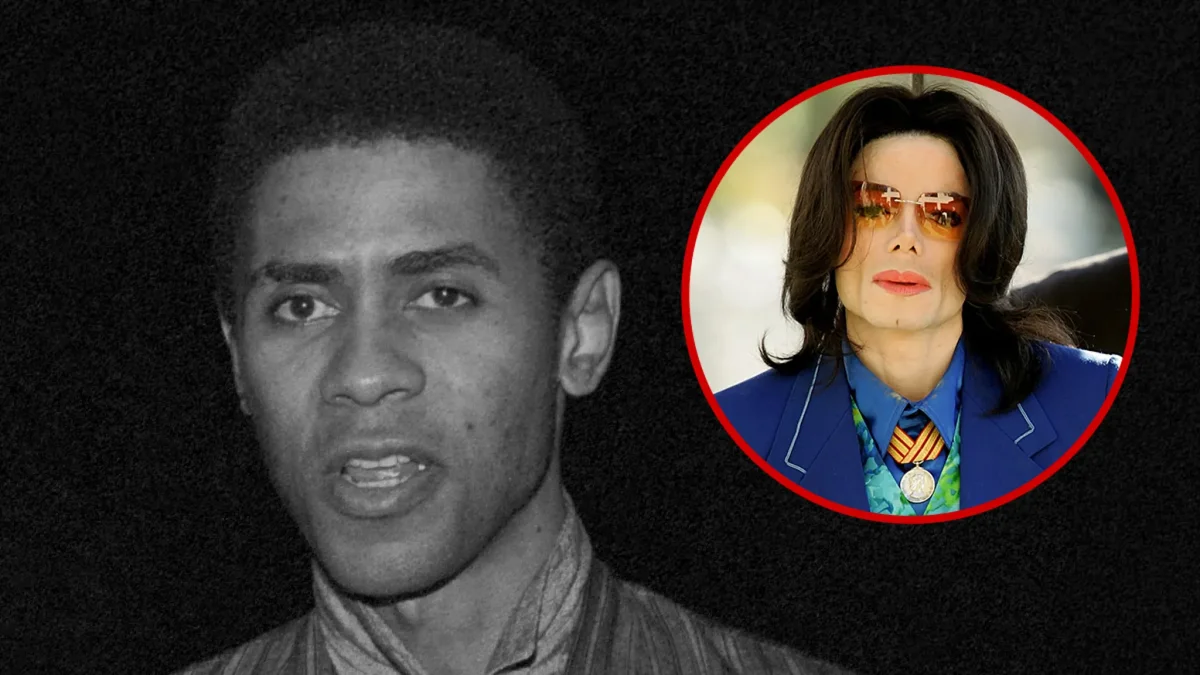
A 21-year-old individual, identified as Nasire Best, was fatally shot by Secret Service agents outside the White House on Saturday, May 23, 2026. The incident has drawn attention to the subject's reported history of multiple concerning encounters with law enforcement preceding the deadly confrontation. This event prompts immediate scrutiny of existing threat assessment protocols, inter-agency information sharing, and the methods for managing individuals with documented patterns of problematic interactions near high-security government installations. A thorough review of the circumstances by the Secret Service is anticipated.
Key Facts
-
Incident Date Saturday, May 23, 2026
-
Location Outside the White House
-
Deceased Individual Nasire Best, 21 years old
-
Involved Agency U.S. Secret Service
-
Key Detail Subject reportedly had prior troubling encounters with law enforcement
-
Reported By CNN
Impact
The immediate aftermath of the White House shooting will undoubtedly lead to heightened scrutiny of Secret Service operational procedures and agent training. This incident, occurring at the epicenter of U.S. power, will spark renewed public debate over the efficacy of security measures at sensitive government locations, especially concerning individuals with a documented history of concerning behavior. It is likely to prompt a rapid internal review of how previous interactions with this individual were recorded, shared, and acted upon, potentially leading to revised protocols for threat assessment and engagement near protected sites. Beyond immediate security implications, the event carries broader societal impacts. It reopens discussions surrounding mental health support systems and their integration with law enforcement interventions. There will be questions about whether more robust community outreach or mental health resources could have intervened earlier, potentially preventing this fatal outcome. Furthermore, the incident places pressure on agencies to balance stringent security with constitutional rights, particularly for individuals who may pose a perceived threat but have not committed serious offenses.
Key Insights
-
1
Security Protocol Efficacy
The incident highlights potential gaps in how prior, non-lethal interactions with individuals are cataloged and integrated into real-time threat assessments for high-profile locations.
-
2
Information Sharing Challenges
There's a critical need to evaluate the seamlessness of information exchange between local law enforcement, federal agencies, and the Secret Service regarding individuals exhibiting persistent concerning behavior.
-
3
De-escalation and Force Continuum
The fatal outcome prompts questions about the threshold for lethal force and whether existing training adequately prepares agents to de-escalate situations involving subjects with a known, non-violent, but troubling history.
-
4
Preventative Intervention Gaps
The case underscores the challenge of implementing proactive interventions for individuals displaying escalating patterns of behavior before they reach a critical point.
Opportunities
This tragic event could catalyze advancements in several areas. Technologically, there's an opportunity for further development and deployment of sophisticated threat assessment algorithms and predictive analytics, capable of identifying patterns from various data sources (law enforcement, social services) to flag individuals requiring closer monitoring or intervention. Furthermore, investments in secure, interoperable data-sharing platforms between federal and local law enforcement agencies could significantly improve situational awareness regarding repeat offenders or individuals on watch lists. Beyond technology, there are opportunities to enhance professional development within security and law enforcement. This includes specialized training modules for agents focused on identifying mental health crises, improving de-escalation techniques, and implementing less-than-lethal options tailored for individuals exhibiting concerning, but not immediately life-threatening, behaviors. Additionally, strengthening community-based mental health initiatives and fostering better collaborative pathways between these services and law enforcement could offer preventative solutions, diverting individuals from pathways that lead to confrontations with security personnel.
Risks & Challenges
One significant risk is the potential for overreaction in security measures, leading to an erosion of civil liberties. An intensified focus on profiling individuals based on past minor infractions or behavioral concerns could lead to unfair targeting, increased surveillance, and a diminished sense of privacy for citizens, particularly those struggling with mental health issues. This could create a chilling effect, discouraging individuals from seeking help if they fear their data will be used against them in a security context. Another critical risk lies in the potential for public distrust if investigations reveal systemic failures in inter-agency communication or threat assessment protocols. If it emerges that clear warning signs were missed or ignored, public confidence in the Secret Service and broader national security apparatus could be significantly undermined. This lack of trust could also manifest as increased political pressure for drastic, potentially counterproductive, policy changes rather than thoughtful, evidence-based reforms.
Source url: https://www.tmz.com/2026/05/24/nasire-best-had-secret-service-encounters-before-white-house-shooting/
Related Articles