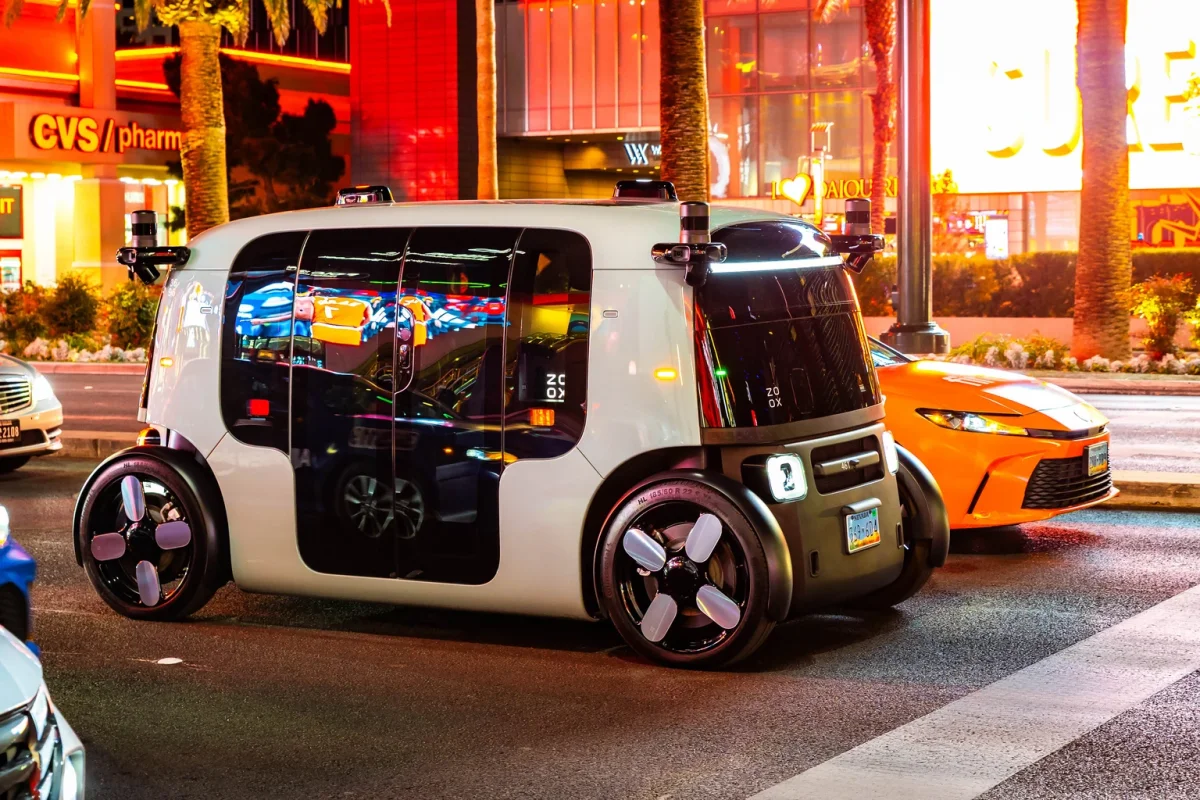
ROBO ETF: AI Integration Fuels Growth in Global Industrial Automation Sector
NewsHub
Apr 30, 2026
1 min read

The ROBO Global Robotics & Automation Index ETF (ROBO) is currently viewed as a strong investment opportunity. This positive assessment stems from significant advancements in AI-enabled robotics and the sustained global expansion of industrial automation. The fund provides exposure to companies at the forefront of these transformative manufacturing improvements, indicating robust growth potential for investors focused on the automation revolution.
Key Facts
-
ETF Name ROBO Global Robotics & Automation Index ETF
-
Ticker ROBO
-
Investment Recommendation Buy
-
Primary Growth Drivers AI-enabled robotics, Global industrial automation momentum
Impact
The accelerating integration of artificial intelligence into robotics and industrial processes is poised to redefine global manufacturing paradigms. This technological shift promises increased efficiency, precision, and productivity, potentially leading to lower production costs, enhanced product quality, and strengthened supply chain resilience for businesses worldwide. The strategic adoption of these technologies can grant early adopters a significant competitive advantage in a rapidly evolving global economy. However, this widespread automation also carries significant implications for labor markets, necessitating substantial workforce retraining and adaptation as numerous repetitive tasks become increasingly automated. Economically, regions and nations that successfully embrace and integrate these advanced manufacturing technologies stand to gain a competitive edge, potentially influencing trade balances, economic development trajectories, and global leadership in key industrial sectors.
Key Insights
-
1
Sector Performance Outlook
The industrial automation and robotics sector is demonstrating strong growth momentum, largely attributed to ongoing technological maturation and increasing enterprise adoption across various industries.
-
2
AI as a Core Catalyst
Artificial intelligence is serving as a critical enabler, significantly enhancing the capabilities, adaptability, and versatility of robotic systems beyond traditional programmed task execution.
-
3
Investment Proposition
The ROBO ETF is strategically positioned as a direct beneficiary of these powerful trends, offering investors a diversified and specialized route to participate in the expanding and evolving automation market.
-
4
Long-term Trend Dynamics
The global shift towards smart factories, interconnected systems, and increasingly autonomous operations represents a fundamental, long-term secular trend rather than a transient market fluctuation, indicating sustained growth potential.
Opportunities
The widespread adoption of AI-powered automation presents myriad opportunities across the industrial landscape. Businesses can leverage these technologies to optimize production lines, reduce waste, improve quality control, and accelerate time-to-market for new products, thereby enhancing operational efficiency and profitability. Furthermore, the growing demand for specialized skills in AI development, robotics engineering, data science, and system integration will create new job categories and drive innovation in education and workforce training programs. For technology providers, the expanding market translates into significant opportunities for hardware sales, software development, and recurring service contracts for system implementation, maintenance, and upgrades. Investment opportunities abound in companies developing next-generation AI algorithms for robotics, advanced sensor technologies, collaborative robots (cobots), and integrated industrial automation platforms. Startups focused on niche applications, such as autonomous mobile robots for logistics, AI for predictive maintenance, or specialized robotic solutions for specific industries (e.g., healthcare, agriculture), are also likely to attract significant venture capital and present potential acquisition targets for larger, established players seeking to expand their technological footprint.
Risks & Challenges
Despite the promising outlook, several risks could impact the industrial automation sector and associated investments. Global economic downturns, geopolitical instability, or persistent supply chain disruptions could curb capital expenditure by manufacturers, thereby slowing the adoption and deployment of new automation technologies. Additionally, regulatory hurdles, particularly concerning data privacy, the ethical implications of AI, and policies addressing potential worker displacement, might emerge, imposing additional compliance costs or restrictions on technological development and deployment. Furthermore, the complexity of integrating advanced AI and robotics into existing industrial infrastructure can lead to significant upfront costs, unexpected implementation challenges, and potential cybersecurity vulnerabilities that require robust protective measures. Intense competition among technology providers within the sector could also compress profit margins, while the rapid pace of technological obsolescence might necessitate continuous and substantial investment in research and development, potentially impacting the long-term profitability and competitive standing of some companies within the ETF's portfolio.
Related Articles