
Home Improvement Giant Faces Economic Slowdown: HD Stock Downgraded
NewsHub
May 06, 2026
1 min read
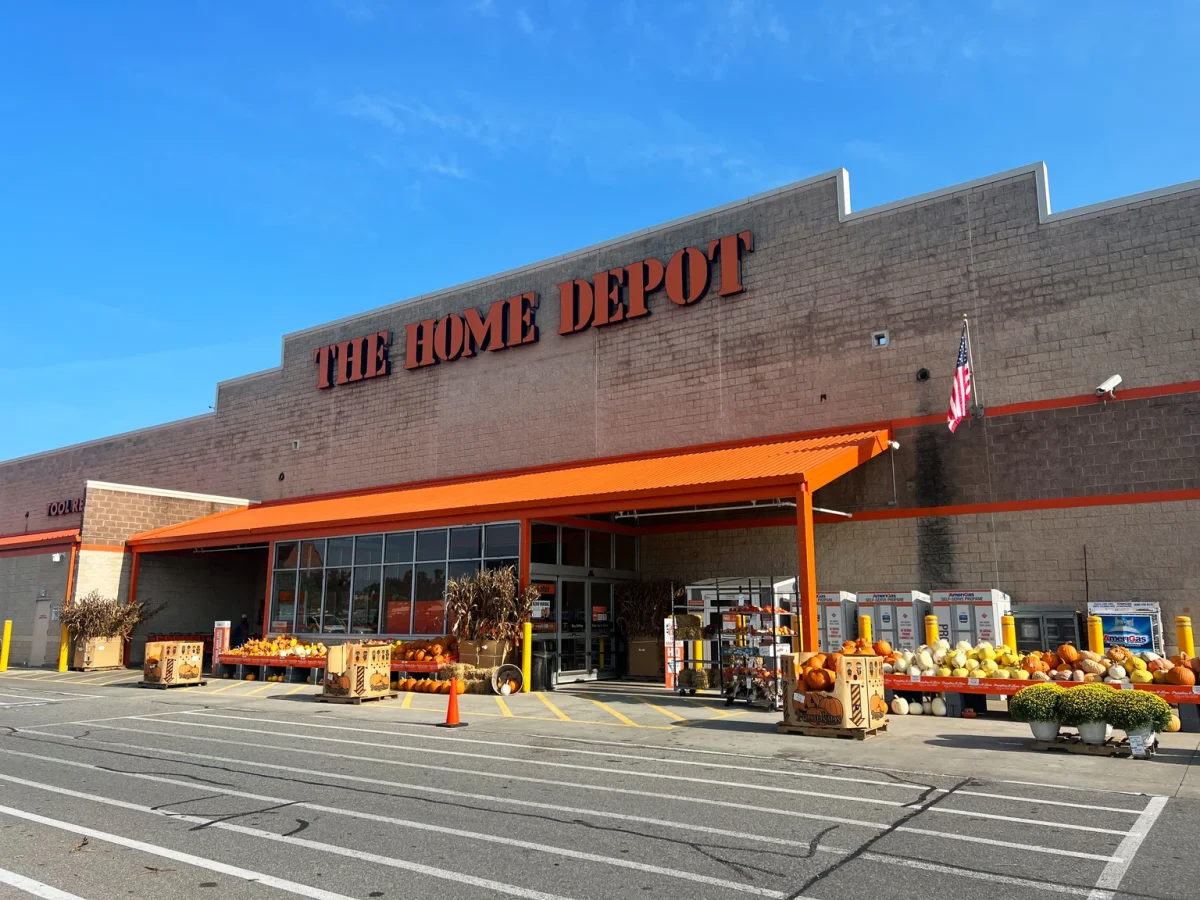
The retail behemoth, Home Depot, is experiencing increased pressure from challenging economic conditions and a softening real estate market. These persistent headwinds have prompted analysts to reassess the company's short-term prospects, leading to a downgrade in its stock rating. Investors are now contemplating the implications of this updated outlook for the home improvement sector. The company's financial performance in the immediate future is expected to reflect these broader market pressures, necessitating a more cautious investment stance.
Key Facts
-
Company Name Home Depot
-
Stock Ticker HD
-
Analyst Rating Change Downgraded to Hold
-
Primary Concern Macroeconomic and housing market headwinds
Impact
The current economic climate, characterized by rising interest rates and inflationary pressures, is directly impacting consumer spending on home improvement projects. Many homeowners are likely delaying discretionary renovations due to increased borrowing costs and uncertainty about future property values. This slowdown in demand can lead to reduced sales volume for Home Depot, potentially affecting its revenue and profitability in the near term. Furthermore, the housing market's cooling could translate to fewer new home constructions and resales, both of which are significant drivers of hardware and building material sales. Analysts' decision to downgrade Home Depot's stock signals a shift in market sentiment regarding the company's immediate trajectory. This downgrade suggests that the potential for significant stock appreciation in the short term is now seen as limited, given the prevailing economic challenges. Investors may look for clearer signs of economic stabilization or a more robust housing market recovery before reconsidering their positions, potentially leading to a period of price consolidation for HD shares.
Key Insights
-
1
Economic Sensitivity
Home Depot's business model is highly sensitive to the broader economic cycle and the health of the housing sector.
-
2
Analyst Sentiment
The downgrade reflects a consensus among analysts that current market conditions present significant obstacles to near-term growth for the company.
-
3
Consumer Behavior Shift
Consumers are likely becoming more cautious with discretionary spending, prioritizing essential purchases over large-scale home improvement projects.
Opportunities
Despite current challenges, Home Depot possesses opportunities to leverage its strong brand recognition and extensive store network. The company could focus on expanding its professional contractor services, which often exhibit more resilience during economic downturns. Investing in digital transformation and e-commerce capabilities remains crucial, allowing for greater reach and convenience for customers. Furthermore, exploring sustainable and energy-efficient product lines could appeal to a growing segment of environmentally conscious consumers, offering a potential growth avenue as the economy eventually recovers. Opportunities may also lie in optimizing operational efficiencies and supply chain management to mitigate rising costs. By streamlining processes and enhancing inventory control, Home Depot can improve its profit margins even amidst slower sales growth. Strategic partnerships with service providers or manufacturers of innovative home goods could also open new revenue streams. The company's ability to adapt its product mix and marketing strategies to align with evolving consumer priorities will be key to navigating the current landscape and capitalizing on future growth possibilities.
Risks & Challenges
The most significant risk for Home Depot is the continued persistence or exacerbation of current macroeconomic headwinds. A prolonged period of high inflation, increasing unemployment, or a sharper downturn in the housing market could lead to a more substantial decline in consumer spending on home improvement. This would directly impact sales and profitability, potentially forcing further revisions to earnings expectations. Another considerable risk is increased competition, both from traditional retailers and a growing number of online-only home goods providers. If competitors offer more attractive pricing or innovative services, Home Depot could see a loss of market share. Furthermore, supply chain disruptions, though perhaps easing, could still pose a risk, impacting product availability and increasing operational costs.
Related Articles