Economic Pulse: Falling Oil Prices Boost Equities; Lower Interest Rates Aid Housing Market
NewsHub
Apr 25, 2026
1 min read
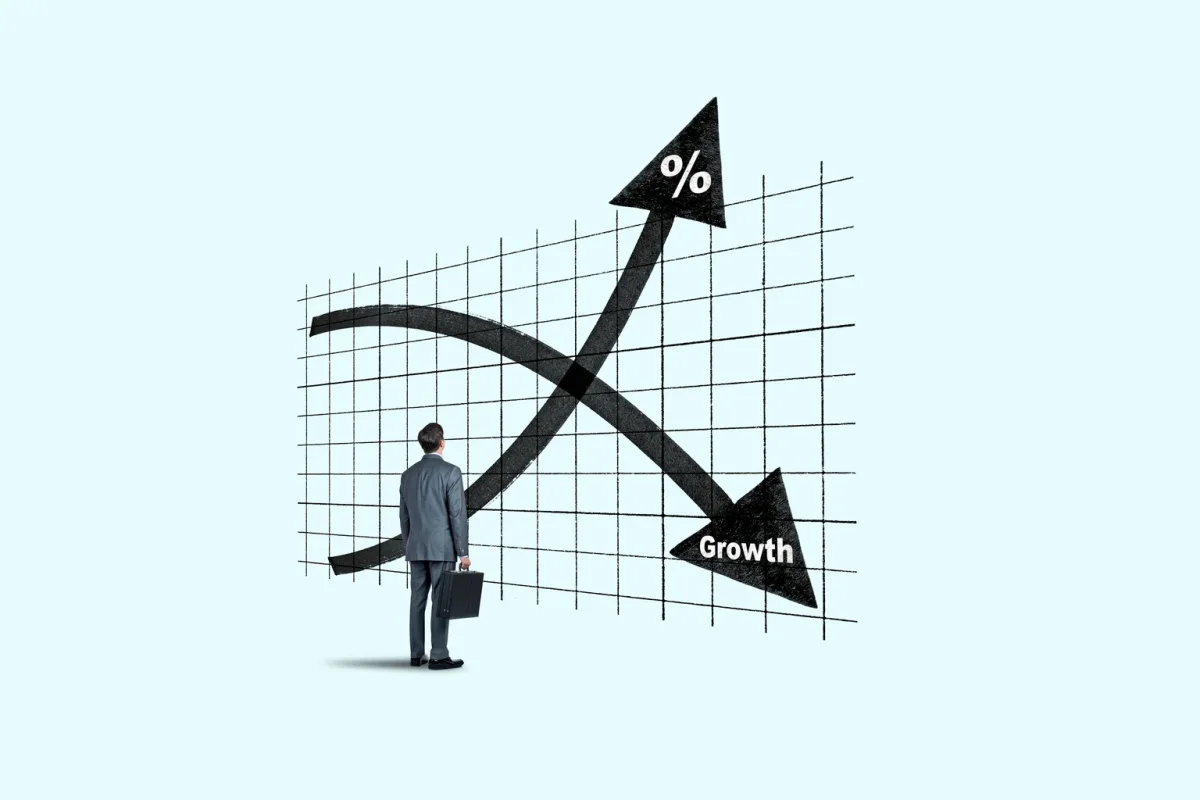
This week's economic snapshot reveals a confluence of positive signals. Declining crude oil prices are providing a tailwind for stock markets, while a downtrend in interest rates is making home financing more accessible. Key high-frequency indicators are showing signs of strength, including narrowing credit spreads, robust corporate earnings reports, a consistent but manageable rate of job terminations, and sustained consumer expenditure. These factors suggest a resilient economic environment, with particular benefits for both investment portfolios and the real estate sector.
Key Facts
-
Oil Price Trend Decreasing
-
Stock Market Driver Falling oil prices
-
Interest Rate Trend Decreasing
-
Housing Market Beneficiary Home financing
-
Key Economic Indicators Easing rates, improving spreads, strong earnings, steady layoffs, consumer spending
Impact
The downward pressure on oil prices is directly translating into improved profit margins for many businesses and increased disposable income for consumers, thereby fueling a rally in stock valuations. Simultaneously, the reduction in borrowing costs is significantly lowering the barrier to entry for prospective homeowners and providing relief to those with existing variable-rate mortgages. This dual impact of lower commodity prices and cheaper credit is creating a more favorable environment for both investment and household financial well-being. This economic dynamic has broad implications. For investors, it suggests continued upside potential in equities, particularly in sectors sensitive to energy costs and consumer demand. For the housing market, it signifies a potential uptick in sales volume and a stabilization of property values, as affordability increases. The steady rate of layoffs, while not a sign of explosive job growth, indicates a labor market that is not overheating, allowing for controlled economic expansion.
Key Insights
-
1
Inflationary Pressures
Easing due to lower energy costs
-
2
Monetary Policy Stance
Suggestive of continued accommodative measures
-
3
Consumer Confidence
Likely bolstered by lower costs and housing affordability
-
4
Corporate Profitability
Enhanced by reduced operating expenses
Opportunities
The current economic climate presents several avenues for strategic business and technological advancement. For companies, focusing on energy-intensive operations can yield significant cost savings, potentially allowing for reinvestment in innovation or expansion. Technology firms could capitalize on increased demand for smart home solutions and energy-efficient appliances, driven by improved housing affordability and a general desire for cost management. The strong consumer spending trend also points to opportunities in retail, entertainment, and service-based industries that cater to discretionary spending. Furthermore, the combination of robust earnings and accessible financing creates fertile ground for mergers and acquisitions, as well as venture capital investments in growth-stage companies. Businesses that can offer compelling value propositions, particularly those aligned with cost savings or enhanced consumer experiences, are well-positioned to capture market share in this evolving economic landscape.
Risks & Challenges
Despite the positive indicators, underlying risks remain. A rapid or sustained decline in oil prices could signal broader global economic weakness, impacting export-dependent economies and corporate revenues in the energy sector itself. While interest rates are falling, the pace and magnitude of these reductions are influenced by a complex interplay of inflation, economic growth, and central bank policy, which can shift unexpectedly. Moreover, persistent inflationary pressures in other sectors, not directly tied to energy, could erode consumer purchasing power despite lower fuel costs. The steady rate of layoffs, while not indicative of a crisis, suggests that some industries may still be undergoing structural adjustments, potentially leading to localized economic hardship. Geopolitical uncertainties or unforeseen supply chain disruptions could also quickly alter the current positive trajectory.
Related Articles