AMD's AI Ascent: Key Factors Fueling its Rise as a Top Nvidia Rival
NewsHub
May 24, 2026
1 min read
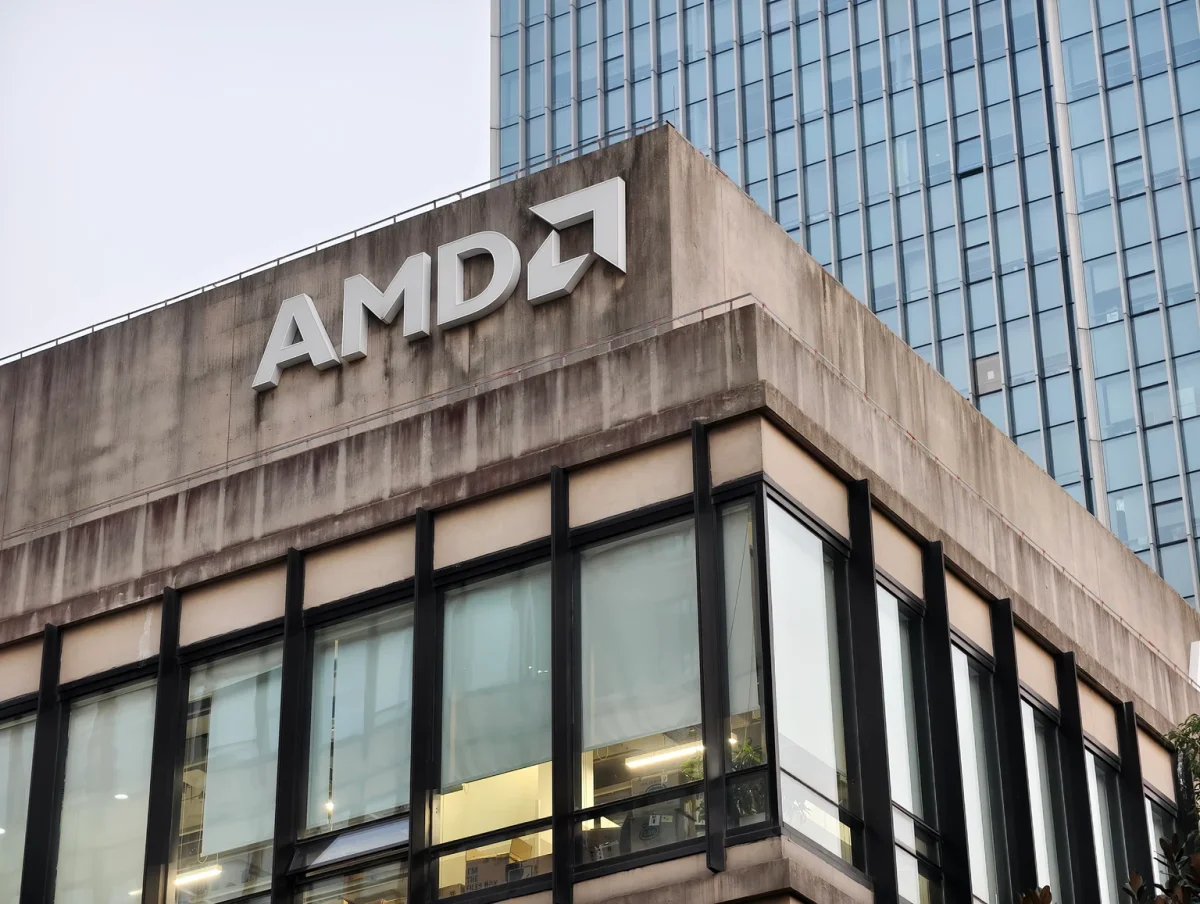
Advanced Micro Devices is making significant strides in the artificial intelligence market, positioning itself as a formidable competitor to industry leader Nvidia. The company's software ecosystem, particularly its ROCm platform, is gaining traction, attracting developers and enterprises for AI inference tasks. Furthermore, AMD's integrated hardware and software solutions, such as its Helios rack-scale offerings, are streamlining deployment and enhancing performance for large-scale AI workloads. These developments suggest a strong outlook for AMD as it continues to challenge established players and carve out a substantial share in the rapidly evolving AI landscape.
Key Facts
-
AI Inference Strength Emerging as a strong challenger
-
Key Software Driver ROCm adoption
-
Key Hardware Solution Helios rack-scale solutions
Impact
AMD's growing capabilities in AI inference signal a potential shift in market dynamics. Increased adoption of its ROCm software could lead to greater hardware sales and a stronger ecosystem, attracting more developers and custom solutions. This could translate into increased revenue streams and a more diversified product portfolio for AMD, lessening its reliance on traditional computing markets. The competitive pressure AMD is exerting on Nvidia could also have broader implications for the AI industry. It may drive innovation at a faster pace, potentially leading to more cost-effective AI solutions for businesses and researchers. This intensified competition could ultimately benefit end-users by offering a wider range of choices and potentially lower prices for AI hardware and services.
Key Insights
-
1
Software Ecosystem Advantage
ROCm's growing adoption is a critical differentiator, enabling AMD to compete more effectively in AI inference where software compatibility and ease of use are paramount.
-
2
Integrated Solutions
The development of rack-scale solutions like Helios highlights AMD's strategy to offer comprehensive, end-to-end AI platforms, appealing to enterprises seeking simplified deployment and optimized performance.
-
3
Market Share Potential
These advancements suggest AMD is well-positioned to capture a larger portion of the lucrative AI hardware and software market currently dominated by Nvidia.
Opportunities
AMD has a significant opportunity to solidify its position as a primary AI hardware provider. By continuing to invest in and refine its ROCm software stack, it can foster a robust developer community and encourage broader adoption across various AI workloads. The success of its Helios solutions could also pave the way for further innovation in integrated, high-performance computing systems, catering to the increasing demand for efficient AI infrastructure. Expanding partnerships with cloud service providers and enterprise customers will be crucial. Demonstrating the cost-effectiveness and performance advantages of its AI solutions over competitors will be key to winning new business. Furthermore, exploring niche AI applications where AMD's strengths can be particularly leveraged presents another avenue for growth and market penetration.
Risks & Challenges
Despite the positive momentum, AMD faces considerable challenges in displacing Nvidia's entrenched market position. Nvidia has a significant head start in terms of market share, brand recognition, and a mature, widely adopted software ecosystem. AMD's ROCm platform, while gaining traction, still needs to prove its scalability and broad applicability across the full spectrum of AI development and deployment. Furthermore, the AI hardware market is characterized by rapid technological advancements and intense competition. Competitors, including other chip manufacturers and emerging startups, are also investing heavily in AI innovation. Any missteps in product development, manufacturing, or go-to-market strategy could quickly erode AMD's current gains and hinder its long-term prospects in this dynamic sector.
Related Articles